Intel's Core Series 2 Processor Release: A Game Changer in Industrial Edge Computing
Money

Intel's Core Series 2 Processor Release: A Game Changer in Industrial Edge Computing

authorBy T. Harv Eker
DateMar 11, 2026
Read time2 min

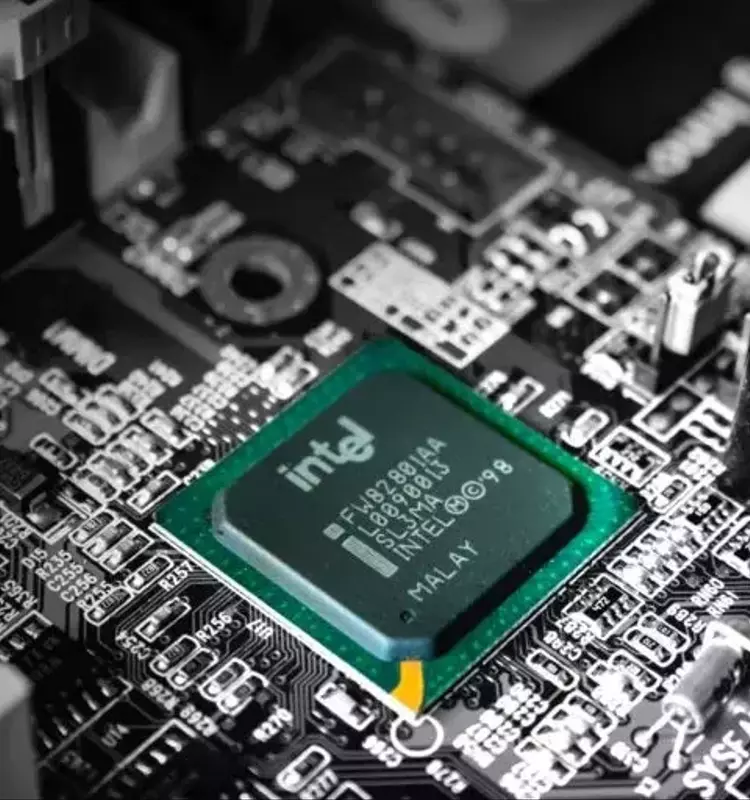
Intel Corporation recently saw a substantial increase in its stock value, climbing over 9% after introducing its innovative Core Series 2 processors. Unveiled at Embedded World 2026, these processors are specifically engineered to address the demanding requirements of industrial edge computing. They promise enhanced deterministic performance and unwavering real-time reliability, crucial for mission-critical operations. This release marks a significant advancement for Intel in a competitive market.

Furthermore, Intel highlighted the superior capabilities of its new Core Series 2 processors, presenting compelling performance metrics against its rival, the AMD Ryzen 7 9700X. The new Intel chips boast 4.4 times lower PCIe latency, a 2.5 times faster deterministic response time, 3.8 times better deterministic performance, and 1.5 times higher multi-thread performance. Simultaneously, the company introduced the Edge AI suite tailored for Health & Life Sciences. This suite integrates validated AI pipelines for sophisticated patient monitoring, including advanced ECG arrhythmia detection, remote photoplethysmography, and precise 3D visual tracking, showcasing Intel's commitment to cutting-edge AI solutions.

The Edge AI suite's preview version is currently accessible on GitHub, with a full commercial release anticipated in the second quarter of 2026. Headquartered in Santa Clara, California, Intel, established in 1968, continues to be a dominant force in the design and manufacturing of computer processors and semiconductor hardware, powering everything from personal computers and servers to a wide array of connected devices. The ongoing innovations demonstrate Intel's enduring impact on technology and its potential for future growth.

Intel's strategic focus on high-performance processors and AI solutions for critical industries underscores a forward-thinking approach to technological leadership. These innovations are not just about market share; they represent a dedication to solving complex challenges and improving essential services, paving the way for a more connected and intelligent future across diverse sectors.

More Articles
Advanced Micro Devices Forges Multi-Year Strategic Alliance with Adeia
Advanced Micro Devices (AMD) has announced a significant multi-year licensing agreement with Adeia, resolving prior patent disputes. This partnership grants AMD access to Adeia's cutting-edge intellectual property in hybrid bonding, packaging, and processing technologies. The deal, finalized on March 9, 2026, strengthens AMD's position in high-performance computing, though regulatory challenges concerning AI chip exports remain a potential concern for the semiconductor industry.
By T. Harv EkerMar 11, 2026
UBS Maintains 'Hold' Rating on Apple Amidst China's Shipment Dip
UBS analyst David Vogt has reiterated a 'Hold' rating for Apple Inc. (AAPL), setting a price target of $280. This decision follows a significant drop in iPhone shipments in China, with a 37% year-over-year decline in January 2026, building on a 14% fall in December 2025. Apple's market share in China's smartphone sector also decreased, reaching its lowest January level since 2019.
By Chika UwazieMar 11, 2026
JPMorgan's Pioneering ETF: Reshaping Income Investing with Option Premiums
The JPMorgan Equity Premium Income ETF (JEPI) has transformed income investing by integrating a diversified equity portfolio with an innovative derivative strategy. Unlike traditional high-dividend ETFs, JEPI actively manages its holdings and generates substantial income through selling call options, offering investors significantly higher yields. This approach provides a unique blend of stability and enhanced returns, attracting those seeking consistent income streams beyond conventional market offerings.
By Ramit SethiMar 11, 2026
Japan to Release 80 Million Barrels of Oil From Reserves
Japan has announced its decision to release 80 million barrels of oil from its strategic reserves, responding to escalating energy prices fueled by the Middle East conflict. This move, initiated unilaterally by Prime Minister Sanae Takaichi, precedes a broader agreement by the International Energy Agency to collectively release 400 million barrels. The release aims to stabilize markets and mitigate the economic impact of supply disruptions, particularly given Japan's reliance on energy imports and the vulnerability of crucial shipping lanes.
By Ramit SethiMar 11, 2026
Understanding Multi-Year Guaranteed Annuities (MYGAs): A Comprehensive Guide
Multi-Year Guaranteed Annuities (MYGAs) are gaining popularity as a secure alternative for savers seeking stable returns amidst fluctuating interest rates. This guide delves into the mechanics of MYGAs, comparing them to Certificates of Deposit (CDs), outlining their benefits such as tax-deferred growth and predictable income, and discussing potential drawbacks like liquidity restrictions and insurance company backing. It also provides insights into how to choose a MYGA and integrate it into a broader financial strategy.
By Chika UwazieMar 11, 2026