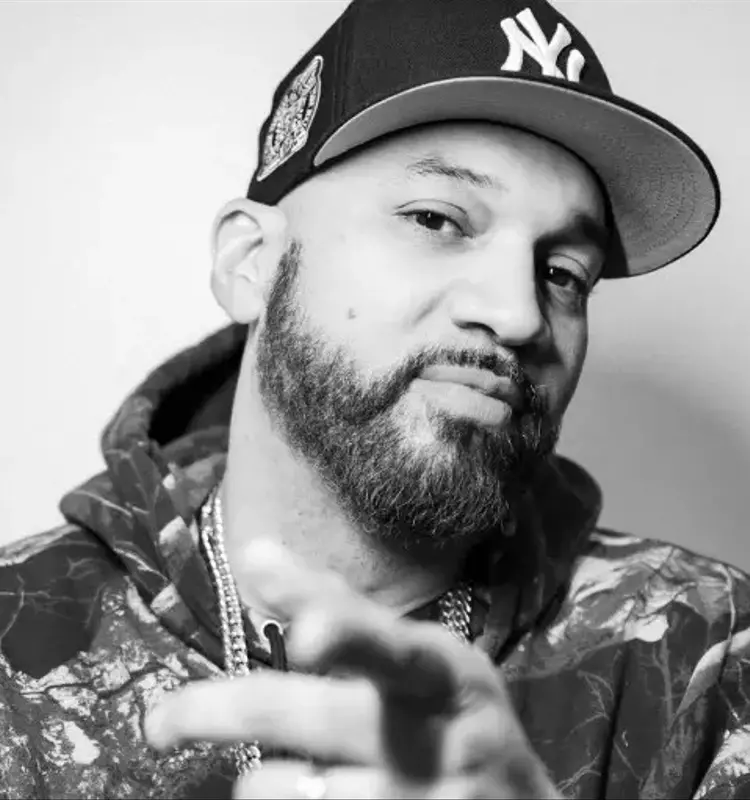
The Kid Mero's journey from early internet humorist to the voice of Hot 97's morning airwaves marks a significant evolution in his career, blending digital-era sensibilities with traditional broadcasting. His transition to a prominent role at New York's enduring hip-hop station symbolizes a fresh chapter for both Mero and the station, aiming to re-energize radio for a contemporary audience. This move reflects a broader trend of integrating new media personalities into established platforms, all while preserving the authentic essence of New York's vibrant cultural landscape.
The Ascent of a Bronx Visionary: Mero's New Era at Hot 97
In a dynamic shift within New York's media scene, The Kid Mero, celebrated for his distinctive comedic flair and deep connection to the city, has recently assumed the helm of the morning show at Hot 97, the legendary hip-hop radio station. His arrival marks a pivotal moment, following the lengthy tenure of Ebro Darden, a veteran who concluded his more than two decades at the station in December. Mero, alongside co-hosts Shani Kulture, Miabelle, Kazeem Famuyide, and DJ Kast One, has swiftly infused the airwaves with a millennial perspective, making the program resonant with listeners who had drifted away from traditional radio.
Mero’s path to radio prominence is a testament to his adaptability across various media. Starting with rap blogs in the mid-2000s, he transitioned to podcasting and gained widespread recognition with the Vice and Showtime series Desus & Mero. His current role at Hot 97 is seen as a natural progression, enabling him to bridge the gap between digital and legacy culture.
During a recent broadcast of Mornings With Mero, New York City Mayor Zohran Mamdani engaged in a playful exchange with Mero regarding the city's lingering snow, illustrating the show's community engagement. Discussions on topics like the Grammys further highlight the program's commitment to reflecting local sentiments, particularly the fierce pride New Yorkers hold for their own hip-hop artists. Mero, a father of four, openly acknowledges the influence of his children in keeping him abreast of evolving youth culture, citing his son's introduction to Playboi Carti's music and his own appreciation for artists like Xaviersobased.
The transition to radio presented unique challenges, primarily mastering the timing and cadence necessary for broadcast, coupled with the need to adhere to FCC regulations regarding language. Mero’s ability to navigate these constraints, informed by his experience as a parent, underscores his versatility. His dedication to showcasing culturally significant New York voices, such as graffiti artist Mister, reinforces Hot 97’s role as a cornerstone of the city’s hip-hop identity. This commitment extends to highlighting both established and emerging New York artists, embracing the diverse flavors of contemporary hip-hop.
Reflecting on his past, Mero recounts the informal beginnings of his comedic career in the Bronx, performing impressions at family gatherings. His early blog, Victory Light, served as a cathartic outlet during a period of financial struggle, eventually attracting the attention of key industry figures. The advent of Twitter further amplified his reach, allowing him to connect with audiences through quick wit and observational humor.
Mero's professional trajectory continued with stints at MTV and Complex before landing at Vice, where Desus & Mero allowed for unprecedented creative freedom, even leading to controversial yet memorable segments. The dissolution of his partnership with Desus Nice in 2022 prompted Mero to seek sustainable career growth, driven by his responsibilities as a family man. He views radio as a cyclical return, a space where he can inject his unique energy and create lasting moments reminiscent of classic New York hip-hop culture.
Regarding the political landscape, Mero expresses admiration for Mayor Mamdani's initiatives, particularly the Universal Pre-Kindergarten program, which he credits with positively impacting his own family. He advocates for policies that enable working-class New Yorkers, like his parents, to thrive within the city. Mero maintains a pragmatic stance on societal issues, emphasizing individual responsibility and mutual respect over rigid political labels, aligning with his upbringing and a quintessential New Yorker's inclination to mind one's own business. He criticizes what he perceives as performative activism, advocating instead for genuine self-improvement and accountability.
Looking ahead to Hot 97's future, Mero envisions a station that innovatively reimagines older media concepts for a modern audience, creating fresh, impactful New York radio moments that resonate deeply with listeners, much like the iconic freestyles and cultural touchstones of the past. His tenure promises to be a vibrant fusion of tradition and innovation, anchored in the rich cultural tapestry of New York City.
The journey of The Kid Mero from blogging to radio demonstrates the evolving landscape of media and how authentic voices can transcend platforms. His emphasis on staying true to his roots while adapting to new environments offers a powerful lesson in resilience and self-belief. It reminds us that genuine connection with an audience, regardless of the medium, is paramount. Moreover, his perspective on social issues, prioritizing personal accountability and mutual respect, encourages a more constructive dialogue in an often polarized world. Mero's commitment to family and community, even amidst professional success, provides a refreshing example of balancing ambition with personal values, urging us all to remember where we come from and who we are working for.