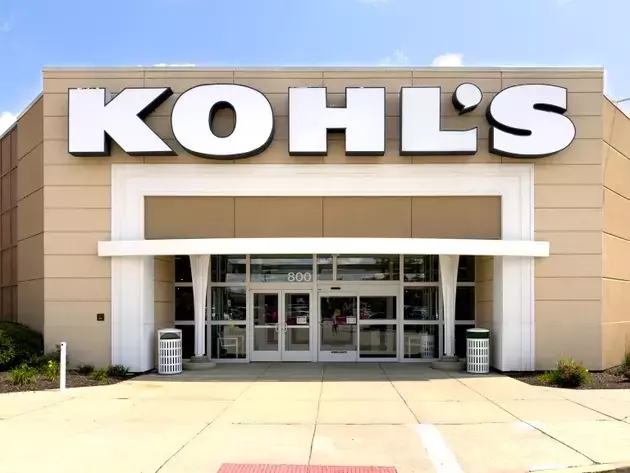
Kohl's Corporation is on the cusp of a significant financial boost, with projections indicating a substantial tariff refund that could inject hundreds of millions into its cash reserves. This windfall arrives at a critical juncture, as the retail giant navigates a complex economic landscape. Despite this positive financial development, external factors, particularly global geopolitical tensions, pose potential challenges that could temper sales performance. Nevertheless, even under conservative growth scenarios, the company is expected to significantly enhance its financial liquidity, reinforcing its resilience in a competitive market.
Anticipated Financial Injection and Market Headwinds
Kohl's Corporation is poised to receive a considerable tariff refund, estimated to be around $550 million before taxes, which would translate to approximately $430 million in net funds. This financial influx is a direct result of ongoing trade adjustments and is expected to substantially fortify the company's balance sheet. The additional capital provides a buffer against market volatility and supports strategic investments aimed at long-term growth. This financial gain is a welcome development that could help Kohl's reinforce its operational capabilities and market standing.
While the tariff refund presents a strong positive, Kohl's is simultaneously grappling with external pressures, including the potential impact of geopolitical conflicts, such as the situation in the Middle East. These global events can create uncertainty in consumer spending and supply chain stability, factors that could lead to the company's financial results trending towards the lower end of its previously issued guidance. Such macroeconomic challenges necessitate agile business strategies and a keen focus on operational efficiency to mitigate adverse effects on sales and profitability. The interplay of this financial gain and potential market headwinds will be crucial in shaping Kohl's near-term performance.
Strategic Financial Projections and Resilience
Despite the potential for dampened sales, Kohl's has demonstrated a robust financial outlook, projecting a significant increase in its cash position. Analysts anticipate that even with a conservative estimate of a 2% decline in net sales by 2026 and a slight reduction in gross margins, the company could see its cash reserves grow by over $800 million. This impressive projection includes the anticipated tariff refunds, highlighting the company's ability to generate and conserve capital even in a challenging retail environment. The strategic management of its finances is expected to play a pivotal role in maintaining stability and facilitating future growth initiatives.
Kohl's resilience is further underscored by its capacity to enhance liquidity amid fluctuating market conditions. The forecasted growth in cash holdings suggests that the company is effectively managing its expenses and optimizing its operational flows. This strong cash position not only provides financial security but also offers flexibility for potential share repurchases, debt reduction, or investments in store modernization and digital capabilities. The ability to increase cash flow, even with modest sales performance, positions Kohl's to navigate economic uncertainties and capitalize on strategic opportunities as they arise, reinforcing its long-term viability in the evolving retail sector.
