Unlocking Growth: The Power of Reinvesting Dividends
Understanding Dividend Reinvestment Plans (DRIPs)
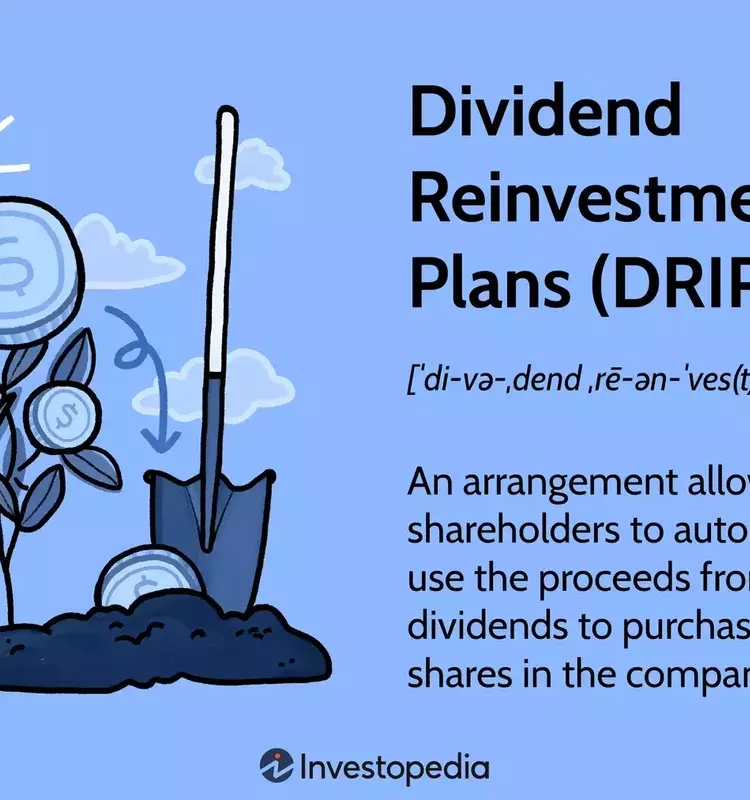
Dividend Reinvestment Plans, commonly known as DRIPs, empower investors to automatically utilize their cash dividends for purchasing more shares, or even fractions of shares, in the issuing company. This systematic approach is designed to amplify earnings over time. By participating, investors gain access to company-sponsored programs that often allow share acquisition without commissions and occasionally at a reduced price, thereby significantly boosting their investment returns.
The Operational Mechanics of DRIPs: A Comprehensive Look
Traditionally, dividend payments are issued as direct deposits or checks. However, DRIPs provide an alternative by enabling shareholders to reinvest these declared dividends into additional shares directly from the company. These shares, typically sourced from the company's own reserves, are not traded on conventional stock exchanges and must be redeemed directly through the company.
A notable advantage of most DRIPs is the provision for commission-free or low-fee share purchases, often coupled with a significant discount on the current share price, though some plans may impose minimum investment amounts. While primarily for existing shareholders, certain companies extend DRIP participation to new investors, usually with a specified minimum initial purchase. It is important to note that despite the automatic reinvestment of dividends, these amounts are still considered taxable income, unless held within a tax-advantaged account like an IRA.
Exploring the Advantages: Why DRIPs Are a Strategic Choice
DRIPs present multiple benefits for both the issuing company and its shareholders.
Benefits for Investors: A Prudent Financial Decision
For investors, DRIPs offer a cost-effective way to accumulate more shares without incurring brokerage commissions. Many companies further sweeten the deal by offering shares at a discount through their DRIPs. This combination of no commissions and potential price discounts significantly lowers the cost basis of owning shares compared to market purchases. Furthermore, DRIPs facilitate the purchase of fractional shares, ensuring that every dividend dollar is fully utilized.
Over the long term, DRIPs accelerate returns through automatic reinvestment and the powerful effect of compounding. As dividends increase, shareholders receive more funds, which in turn purchase a greater number of shares. This continuous cycle enhances the total return potential of the investment, especially during market downturns when more shares can be acquired at lower prices.
Advantages for Companies: Bolstering Capital and Shareholder Loyalty
Companies that offer DRIPs also reap considerable benefits. When shares are bought directly from the company through a DRIP, it generates additional capital that can be used for business operations and expansion. Moreover, shareholders enrolled in DRIPs tend to be long-term investors, making them less prone to selling their shares during market volatility. This stability is partly due to their understanding of how reinvested dividends contribute to their long-term portfolio growth. Shares acquired through DRIPs are also less liquid than those purchased on the open market, as they can only be sold back to the issuing company.
Case Study: 3M's Dividend Reinvestment Program
3M's Automatic Dividend Reinvestment Plan, managed by EQ Shareowner Services, exemplifies a successful DRIP. This program allows shareholders to automatically reinvest their quarterly cash dividends into 3M stock, with all associated fees and commissions covered by the company.
Common Questions About Dividend Reinvestment Plans
What are the downsides of reinvesting dividends? Reinvesting dividends means foregoing immediate cash income, which could otherwise be spent or invested elsewhere. Investors may also incur tax liabilities on these reinvested dividends, requiring them to use other funds for payment if no cash dividend is received.
How can taxes on reinvested dividends be avoided? Dividends are generally taxed as capital gains or ordinary income. The primary way to defer or avoid taxes on reinvested dividends in the year they are earned is by holding the stocks in a tax-advantaged account, such as a 401(k) or IRA.
Why do companies pay dividends instead of reinvesting all earnings? Companies opt to pay dividends for various reasons. Dividend payments often signal strong financial health, indicating that a company is not only profitable but also confident enough to share its success with shareholders. Offering dividends can also make a company's stock more attractive to a wider range of investors seeking regular income or long-term value.
Concluding Thoughts on Dividend Reinvestment
Many companies reward shareholders with dividends, providing a steady stream of income. Some also offer DRIPs, which allow investors to automatically reinvest these dividends into additional shares, rather than receiving cash. For investors who believe in the long-term value of a stock, participating in a DRIP can significantly enhance their portfolio, particularly when there are no fees or commissions involved.
