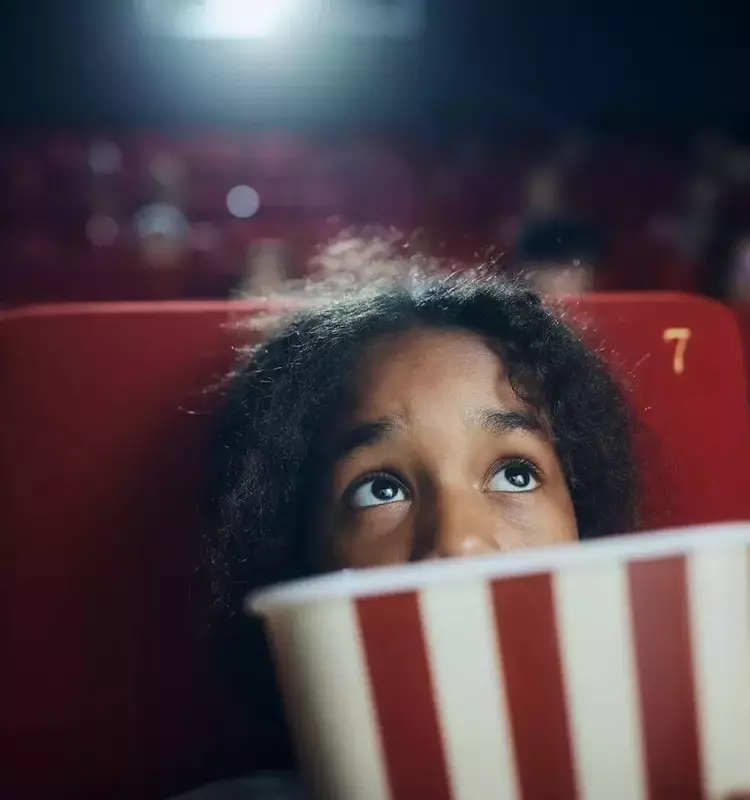
Engaging with fear in a controlled setting can actually bolster a child's ability to cope with challenging situations. While thrillers might not be suitable for every child, they can offer a unique opportunity for some to build resilience. This perspective emerged when a sixth-grader's request to watch a popular sci-fi series, known for its intense monster visuals, initially met with a firm refusal from a parent concerned about exacerbating childhood anxiety. However, a scientific study presented a compelling counter-argument, suggesting that even adults who enjoy horror fiction showed greater psychological fortitude during stressful times.
The study, led by Dr. Coltan Scrivner, indicated that engaging with frightening narratives could equip individuals with better coping mechanisms for real-world anxieties. This raises a pertinent question for parents: could a similar benefit extend to children? Experts suggest that the controlled experience of fear, similar to navigating Halloween traditions, can help children practice feeling scared and then recovering from that emotion. This process contributes to developing their overall resilience and emotional regulation skills.
An occupational therapist, Dr. Shelli Dry, highlights that activities that expose children to fear in a managed way, such as trick-or-treating or watching a suspenseful film, allow them to build a 'healthy fear.' This practice is crucial for fostering resilience. Watching characters in a movie confront scary scenarios can also teach children empathy and how to approach challenging situations. Furthermore, identifying positive outcomes and coping strategies within these narratives can enhance a child's ability to navigate their own fears. During the pandemic, one family found that watching the more intense installments of a popular wizarding series, despite its scary elements, showcased themes of courage, friendship, and love, which resonated positively with their children.
Deciding when and if a child is ready for scary movies requires careful consideration of individual factors. Family values play a significant role; if scary movies are not a preferred genre for the household, then introducing them may not be beneficial. For families open to the idea, a child's age is an important starting point, with experts generally advising against exposing very young children to frightening content due to the risk of fostering long-term anxiety. Around age four, children are already developing ways to manage natural childhood fears, and adding overly scary media can be overwhelming. A child's unique personality and interests are also crucial. Some children inherently possess a pragmatic view, distinguishing fiction from reality, while others are more sensitive and require a longer period to recover from intense content. Parents can gain insight into their child's readiness by observing their reactions to milder scary themes or images.
To ensure a positive experience, parents can take several proactive steps. Pre-screening movies or familiarizing oneself with their content is essential to gauge their appropriateness. When introducing the horror genre, it's advisable to start with milder options, like animated features, and watch them together. Watching during daylight hours can also diminish the intensity. Parents should openly acknowledge their own reactions to scary moments and share their coping strategies, demonstrating that fear is a normal emotion and showing healthy ways to manage it. Emphasizing that children always have the choice to leave the room or turn off the movie empowers them. Post-viewing discussions are also crucial for deconstructing any disturbing elements and reinforcing the fictional nature of the content.
Monitoring a child's reactions after watching a scary movie is vital. Indicators such as an increase in nightmares or night terrors, difficulty falling asleep, or new fears of strangers or darkness suggest that the movie may have been too much. These reactions, while often temporary, signal that the child might not yet be ready for such content. Parents should trust their judgment in determining when to revisit scary movies. Films that remain genuinely terrifying for adults are likely unsuitable for children. This mindful approach ensures that exposure to scary movies, when appropriate, can be a valuable tool in a child's emotional development.
