Navigating the Social Dynamics of School Lunchrooms
ParentsKids

Navigating the Social Dynamics of School Lunchrooms

authorBy Nigel Latta
DateJul 15, 2026
Read time2 min

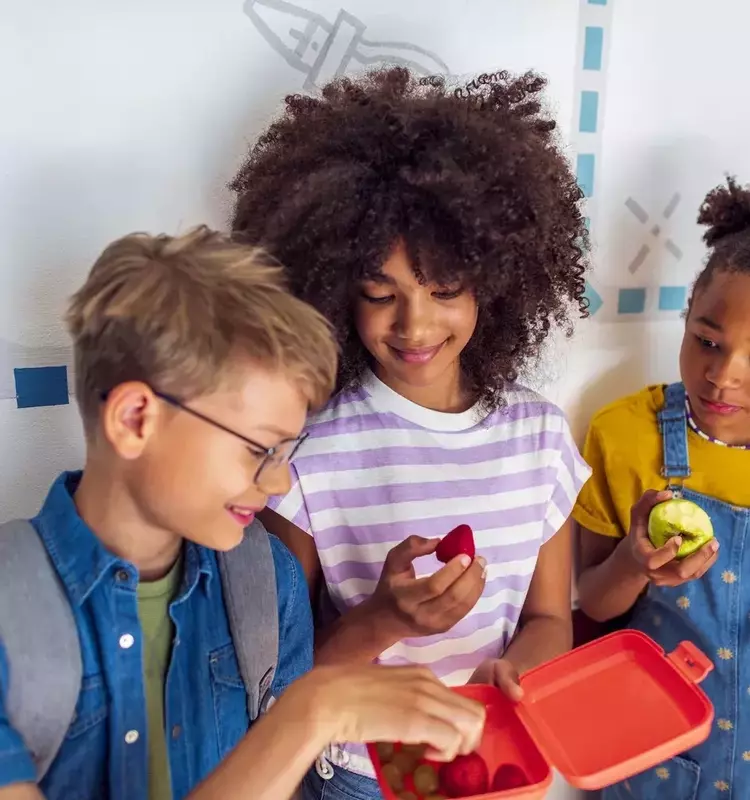
Elementary school lunchrooms often serve as unexpected arenas for social complexities, far removed from the innocent play of the playground or the routine of the bus ride. Here, the contents of a lunchbox can become central to unspoken "politics" that shape children's daily interactions. Kids face pressure to share or trade snacks, confront misunderstandings about diverse culinary traditions, and grapple with the inherent social anxieties surrounding seating arrangements and peer groups. These experiences, though seemingly minor, play a significant role in a child's development.

Addressing these lunchroom dynamics through proactive conversations at home can provide children with essential life skills. When it comes to food trading, parents can empower children by involving them in snack choices and teaching them to establish healthy boundaries. Dr. Jenny Woo, CEO of Mind Brain Emotion, advises parents to educate children about respecting others' belongings and food allergies, reinforcing that sharing is optional. Similarly, the stress associated with popular snacks, which can lead to bargaining or even bullying, necessitates open dialogue. Parents can help children develop polite but firm refusal strategies, perhaps by suggesting less conspicuous packaging for desirable treats to minimize unwanted attention.

Beyond sharing and trading, children may also encounter challenges related to cultural differences in food. Parents can encourage their children to embrace and educate others about their unique dietary or cultural foods, transforming potential awkwardness into opportunities for cultural exchange. Highlighting the richness of diverse culinary traditions helps children develop respect for others' choices. Furthermore, for children with food allergies, the isolation of sitting at a separate table can be distressing. Parents can alleviate this by framing it as a positive health choice, normalizing their unique needs, and fostering a sense of self-acceptance. Ultimately, a child's ability to navigate these situations with confidence and empathy is a testament to the crucial lessons learned both at home and within the school environment.

By engaging in meaningful conversations and offering practical strategies, parents can help their children cultivate resilience, self-esteem, and a greater appreciation for diversity. These invaluable lessons extend beyond the cafeteria, preparing children to handle social pressures, foster inclusivity, and confidently embrace their individuality in all aspects of life.

More Articles
ParentsKids
Fueling Young Minds: Strategies for Stress-Free and Nutritious Morning Meals
Mornings can be hectic, but ensuring children get a nutritious breakfast is crucial for their physical and cognitive development. This article offers practical tips for parents to prepare healthy, delicious, and easy grab-and-go breakfast options, emphasizing the importance of protein and the 'Rule of Three' for a balanced meal. It also encourages a flexible approach to breakfast choices and highlights the significance of providing a positive eating environment without pressure.
By Kim John PayneJul 15, 2026
ParentsKids
Quick and Healthy Breakfasts for Busy Mornings
Elevate your morning routine with these 21 dietitian-approved breakfast ideas. Designed for speed and nutrition, these recipes ensure a great start to your day, packed with fiber, protein, vitamins, and minerals. Perfect for busy families, most can be prepared in minutes, offering a balanced and energizing meal. Discover creative ways to enjoy breakfast beyond the traditional bowl, fostering healthy eating habits for both parents and children.
By Dr. Benjamin SpockJul 15, 2026
ParentsKids
Top Allergen-Friendly Snacks for Children
Navigating snack choices for children with peanut allergies can be challenging, especially with varying labeling and manufacturing practices. However, a wide range of delicious and safe peanut-free options are available, including cheesy snacks like Goldfish Crackers and Pirate Booty, various chips, applesauce, packaged fruit, pretzels, popcorn, snack bars, dairy products, and sweet treats. Always remember to check product labels for allergen statements to ensure safety.
By Tiffany JewellJul 15, 2026
ParentsKids
Navigating Back-to-School Nail Trends for Tweens: A Parent's Guide
As the back-to-school season approaches, tweens, especially Black and Latine students, are embracing vibrant and embellished nail designs as a form of self-expression. This article offers parents insights from a professional nail technician on choosing appropriate nail lengths and shapes, understanding the cultural significance of nail art, and essential safety precautions for salon visits. It emphasizes balancing personal style with practicality and dispelling misconceptions about age-appropriateness, ensuring a safe and enjoyable experience for young enthusiasts.
By Cathy GlassJul 15, 2026
ParentsKids
Transforming Dinner Leftovers into Kid-Friendly Lunches
Discover expert tips for effortlessly turning dinner remnants into nutritious and appealing lunches for children. This guide, featuring insights from a nutrition specialist, emphasizes practical strategies for busy parents, focusing on food safety, promoting healthy eating habits, and ensuring children enjoy their meals.
By Dr. Carlos GonzálezJul 15, 2026