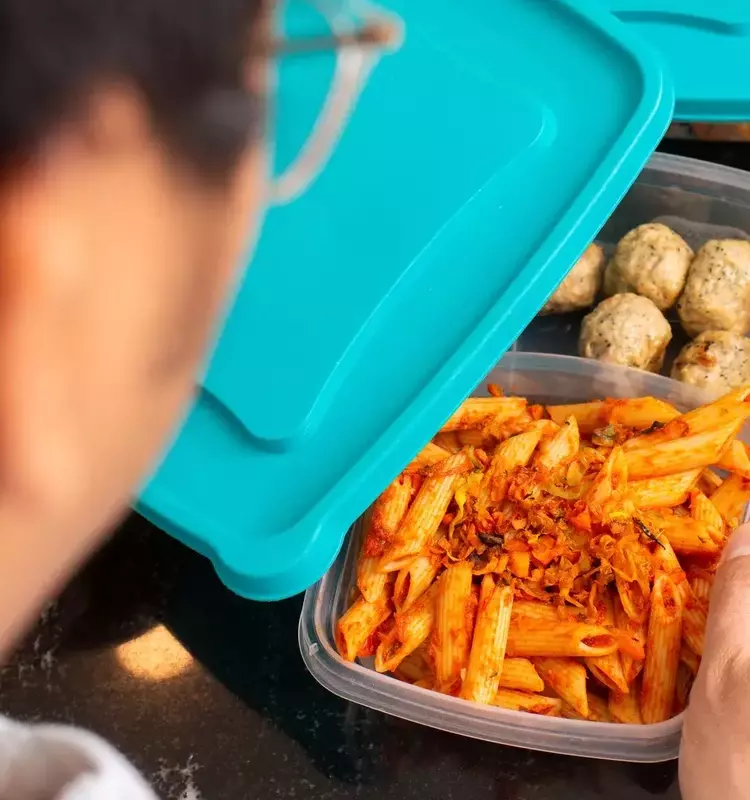
Converting dinner leftovers into lunch for children offers a practical solution for busy parents to manage daily meal preparation, saving both time and reducing stress. This approach not only streamlines the process but also promotes a mindful way of ensuring kids receive proper nourishment throughout the day. By carefully planning and preparing meals, parents can transform evening meals into delicious and convenient midday options, fostering healthy eating habits and reducing food waste.
A key aspect of this strategy involves prioritizing foods that children genuinely enjoy, alongside maintaining strict food safety standards. Ensuring that packed lunches are appealing can encourage kids to eat well, avoiding uneaten meals despite nutritional content. Additionally, understanding how to safely store and handle leftovers is critical to prevent spoilage and maintain freshness, making the entire process efficient and beneficial for the whole family.
Prioritizing Family Preferences and Culinary Adaptability
When preparing meals for children, it's essential to consider what they actually enjoy eating, rather than solely focusing on what might be considered the most nutritious. This approach acknowledges that a meal, no matter how healthy, serves no purpose if it goes uneaten. By involving children in the meal preparation process, such as transforming dinner leftovers into their next day's lunch, parents can cultivate a positive relationship with food, encouraging curiosity and a willingness to try new flavors without pressure. This engagement not only makes mealtime a more enjoyable experience but also ensures that children are more likely to consume the food provided, fostering an environment where healthy eating is a natural and stress-free part of their daily routine.
Furthermore, practical considerations like family allergies, dietary restrictions, and the availability of ingredients should always be at the forefront of meal planning. Parents must also realistically assess their own time constraints and cooking skills. Opting for simple, manageable recipes that integrate easily into a busy schedule can significantly reduce daily stress. Allowing for flexibility and self-compassion during hectic periods, such as school terms filled with various activities, means embracing convenient meal solutions when necessary. Ultimately, the goal is to balance nutritional needs with the reality of family life, ensuring that meals are both wholesome and enthusiastically received by children.
Ensuring Food Safety and Optimal Storage of Leftovers
Safe handling and proper storage of food are paramount when repurposing dinner leftovers for children's lunches. Even if leftovers appear and smell fine, they can still harbor harmful bacteria if not stored correctly, posing a risk to health. Therefore, swift action is crucial: immediately after dinner, any remaining food should be transferred into airtight containers and refrigerated. This prompt chilling helps to inhibit bacterial growth, maintaining the safety and freshness of the food until it's ready to be consumed.
It is generally advised that leftovers be consumed within three to four days of preparation. Adhering to this guideline minimizes the risk of foodborne illnesses. If there is any uncertainty about the freshness or safety of a leftover item, it is always best to err on the side of caution and discard it. Practicing responsible food management not only protects children's health but also instills good habits within the household regarding food waste and preservation. By being vigilant about storage temperatures and timelines, parents can confidently provide nutritious and safe meals for their children's midday nourishment.
