Ode to Diablo 2: A Deep Dive into the Haunting Allure of Act 1
Games

Ode to Diablo 2: A Deep Dive into the Haunting Allure of Act 1

authorBy Reiner Knizia
DateMar 02, 2026
Read time3 min

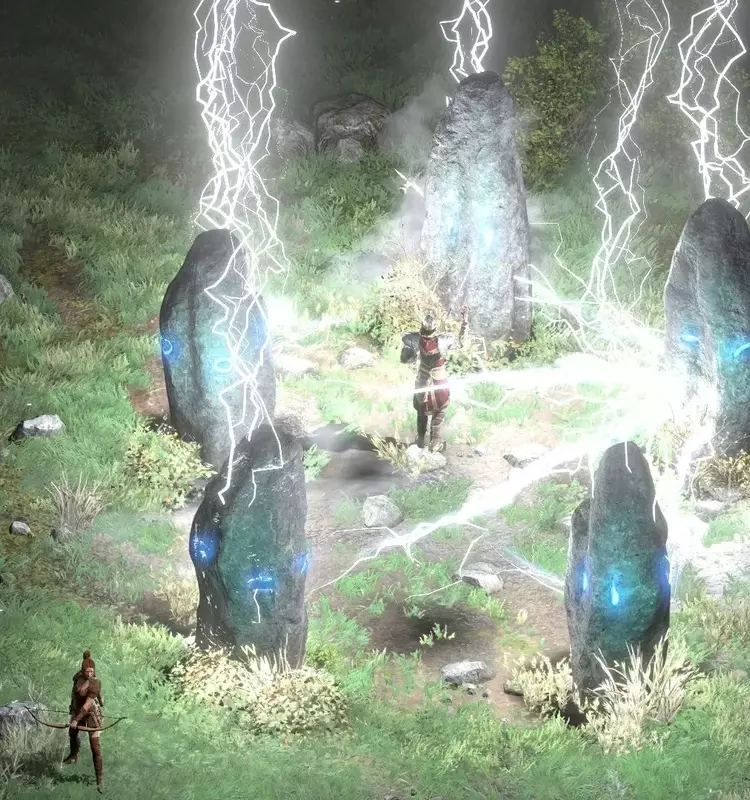
The initial segment of Diablo 2, encompassing the desolate Blood Moors and the subsequent journey to the destroyed village of Tristram, holds a special place in the hearts of many gamers. This introductory act skillfully combines a palpable sense of dread with innovative gameplay, carving an indelible impression. It masterfully sets a dark, atmospheric tone that distinguishes it from the rest of the game, creating an experience that resonates deeply with players long after they've moved on to other zones.

Departing from the compact haven of the Rogue Encampment, players are immediately thrust into a perilous wilderness. This open-world design, a significant departure from the original Diablo's claustrophobic single dungeon, allows for organic exploration. Unlike later acts, with their restrictive deserts and labyrinthine jungles, Act 1 provides a sense of freedom without becoming tedious. The environment, reminiscent of classic gothic horror films, reinforces the game's grim aesthetic. The encounters with corrupted rogues, howling spirits, and chanting Goatmen, all designed with unique tactical challenges, demand strategic engagement. These early enemies and their distinct behaviors, like shamans resurrecting the fallen, introduce layers of complexity that encourage thoughtful combat, rather than simple button mashing. This foundational experience lays the groundwork for the more intricate challenges that lie ahead.

The return to Tristram is a pivotal moment, a haunting revelation of devastation. What was once a familiar village is now a smoldering ruin, its inhabitants transformed into grotesque horrors. This powerful narrative beat, where an old ally becomes an enemy, serves as a stark reminder of the encroaching evil and the futility of resistance. The destruction of Tristram, far from being a simple plot point, acts as a profound homage to the original game, emphasizing Diablo's unwavering commitment to its dark fantasy roots. This grim outcome perfectly aligns with the game's heavy metal horror identity, where happy endings are an anomaly, not a guarantee.

The journey culminates in the Catacombs, an expansive and atmospheric dungeon that harkens back to the first Diablo's design. Filled with rat-men and gargoyles, the Catacombs offer a sense of mystery and foreboding, a final, fitting challenge for the introductory act. This area, with its labyrinthine corridors and oppressive ambiance, solidifies the player's immersion in the game's dark fantasy world. It's a concluding statement to Act 1's narrative and gameplay themes, reinforcing the idea that the horror is deeply ingrained in the very fabric of the world, rather than merely a consequence of specific events.

The initial segment of Diablo 2 stands out for its immersive world-building, intuitive yet challenging gameplay, and its ability to establish a tone of gothic horror that permeates the entire experience. It's a testament to thoughtful design, offering a compelling introduction that leaves a lasting impression on players.

More Articles
Unraveling the Complex Narratives and Endings of Resident Evil Requiem
Resident Evil Requiem delves into an intricate narrative, introducing new character Grace Ashcroft while connecting numerous unresolved plot points from the series' history. The story follows Leon S. Kennedy's investigation into Raccoon City Syndrome and Grace's kidnapping, ultimately leading to a confrontation with Zeno and Dr. Victor Gideon over the mysterious 'Elpis'. The game features two distinct endings based on Grace's crucial choice, revealing shocking truths about Umbrella Corporation, its co-founder Ozwell E. Spencer, and the shadowy organization 'The Connections'. This article explores the implications of these endings and the extensive lore document that clarifies the game's convoluted storyline.
By Hideo KojimaMar 02, 2026
Blizzard's AI Stance: Human Creativity Prevails in 'World of Warcraft: Midnight' Score
Blizzard Entertainment's lead composer for 'World of Warcraft: Midnight,' Leo Kaliski, has affirmed that generative AI is not being utilized in crafting the game's musical score. This statement aligns with previous remarks from other Blizzard developers regarding their reluctance to incorporate AI-generated content into their games, emphasizing a commitment to human-led creative processes despite industry trends and parent company Microsoft's broader exploration of AI.
By Sid MeierMar 01, 2026
Rollin' Rascal: A Modern Take on Classic 3D Platforming
Discover Rollin' Rascal, a high-speed 3D platformer inspired by the classic Sonic Adventure games, now featuring ranked multiplayer. Developed by Gabriel Gonzales, known for his Sonic fangame Sonic GT, Rollin' Rascal offers exhilarating momentum-based physics, expansive levels with ramps and grind rails, and two playable characters, Rascal and QT. This demo, showcased at Steam Next Fest, highlights its impressive speed and fluid movement, despite minor bugs and a need for more diverse objectives. It promises a fresh, engaging experience for fans of fast-paced platforming.
By Jane McGonigalMar 01, 2026
Overwatch Sanrio Collaboration Inspires Rapid Cosplay Trend
The recent Overwatch x Sanrio collaboration has taken the gaming and cosplay communities by storm, with fans quickly embracing the adorable new character skins. This article explores the immediate and creative responses from cosplayers, who are showcasing impressive ingenuity in bringing these unique designs to life, highlighting popular interpretations and discussing the ease of adapting the game's new aesthetic into real-world costumes.
By Jane McGonigalMar 01, 2026
The Obscure Anime Origins of a New 'Magic: The Gathering' TMNT Card
A newly released Magic: The Gathering card featuring Leonardo from Teenage Mutant Ninja Turtles showcases a unique design from the rarely seen 1996 anime, "Mutant Turtles: Superman Legend." This article delves into the unexpected history behind this distinctive character iteration, exploring its connection to struggling toy sales and an attempt to revitalize the franchise in the Japanese market through two special episodes.
By Hideo KojimaMar 01, 2026