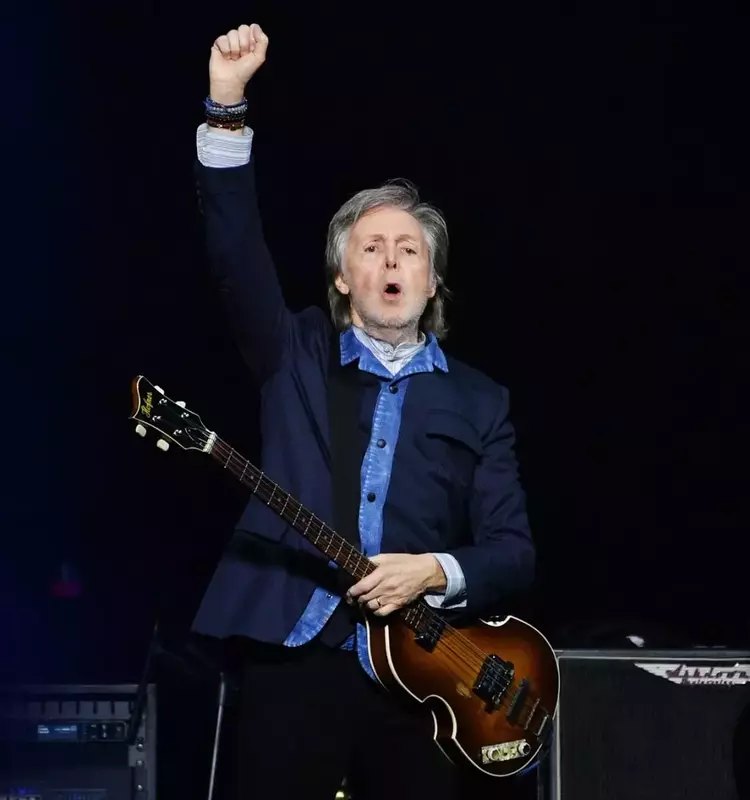
Paul McCartney has stepped into the arena of topical commentary, joining a collective of musicians to challenge artificial intelligence companies over potential copyright infringements. While not typically known for protest songs, McCartney is making a statement through his art, aligning with other prominent artists in a demonstration against proposed UK copyright law amendments that could allow AI to freely utilize artistic works.
This movement originated with the album 'Is This What We Want?', initially released in February as a collection of ambient studio sounds, intentionally devoid of actual music, vocals, or traditional instrumentation. The purpose of this unique project was to underscore the potential for AI entities to exploit recorded music and other art forms, particularly under new copyright legislation in the United Kingdom. Organizers described the album's use of silence as a potent symbol, reflecting the anticipated detrimental effects these proposals could have on the livelihoods of creative professionals.
McCartney's contribution to the upcoming vinyl edition of the album, scheduled for release on December 8, is a two-minute and forty-five-second silent piece titled 'Bonus Track.' Earlier this year, in a BBC interview, he voiced his deep concerns regarding AI's encroaching presence in the music industry. He highlighted the vulnerability of emerging artists whose original compositions could be appropriated without fair ownership or financial recompense. McCartney emphasized that creators deserve to be compensated for their work, not technology conglomerates, drawing a parallel to the enduring value of classic compositions like 'Yesterday.' The original digital album featured tracks with single-word titles that collectively spelled out a clear message: 'The British Government Must Not Legalize Music Theft to Benefit AI Companies.' Renowned musicians such as the Clash, Kate Bush, Annie Lennox, Tori Amos, Damon Albarn, Hans Zimmer, Billy Ocean, and Yusuf/Cat Stevens were credited as co-writers on this impactful project, with all proceeds directed to the charity Help Musicians.
This collective artistic endeavor serves as a powerful call to action, urging society to recognize and protect the intrinsic value of human creativity in the digital age. It champions the rights of artists to control their intellectual property and ensures they receive just compensation for their contributions. By standing united, these musicians are advocating for a future where technological advancement and artistic integrity coexist, fostering an environment where innovation thrives without undermining the very essence of human artistry.