Property Market Downturn: Higher Stamp Duty and Budget Rumors Impact Lending
Loan

Property Market Downturn: Higher Stamp Duty and Budget Rumors Impact Lending

DateSep 09, 2025
Read time3 min
The UK property market is currently experiencing a downturn, with mortgage lending significantly impacted by recent stamp duty adjustments and ongoing speculation surrounding future tax reforms. This analysis delves into the causes of this deceleration and its potential implications for various stakeholders, especially first-time homebuyers.

Navigating Uncertainty: The Future of Property Investment Amidst Policy Shifts

Understanding the Recent Decline in Mortgage Activity

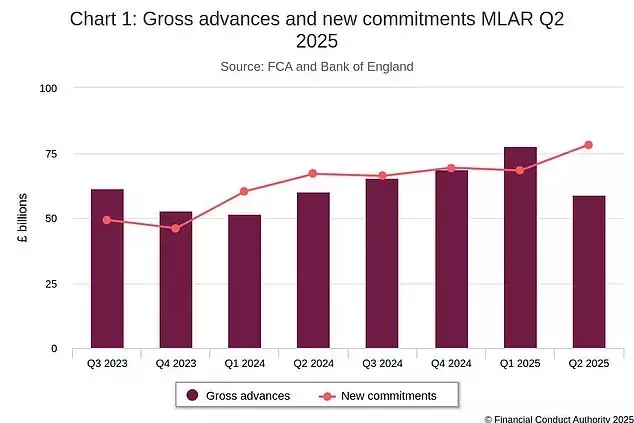
Following the implementation of revised stamp duty regulations on April 1st, the United Kingdom's property sector witnessed a notable contraction in mortgage lending. Data from the Financial Conduct Authority indicates a substantial reduction in the total value of new mortgages issued by financial institutions during the second quarter of the year. Specifically, the period from April to June recorded a nearly one-quarter decrease in new mortgage disbursements compared to the preceding quarter, marking the lowest lending volume since early 2024.

The Impact of Stamp Duty Adjustments on Market Dynamics

The alterations to stamp duty thresholds, which took effect on April 1st, mandated property purchasers to incur stamp duty on homes valued above £125,000, a decrease from the previous £250,000 threshold. This change translated into an additional £2,500 tax burden on a £250,000 property. First-time buyers were particularly affected, as their tax exemption limit was reduced from £425,000 to £300,000, leading to a £6,205 stamp duty payment on a £425,000 purchase. In London, where average property prices are higher, first-time buyers now face an increase from £6,950 to £18,200.

Budgetary Speculation and its Influence on Property Market Confidence

Current rumors regarding potential extensive revisions to property taxation in the forthcoming Autumn Budget are contributing to a climate of uncertainty within the housing market. Industry experts suggest that this ongoing speculation is already fostering a hesitant environment, potentially leading to a sustained market slowdown until definitive policy announcements are made. This pre-budget anxiety could prompt prospective sellers to defer their plans, further exacerbating the market's subdued activity.

Expert Perspectives on Lending Trends and Market Outlook

Karen Noye, a mortgage specialist at Quilter, noted that the initial months of 2025 saw a surge in lending activity as buyers expedited purchases ahead of the stamp duty changes. However, she indicated that the subsequent decline was anticipated, given the elevated interest rates and increased stamp duty expenses. While new mortgage commitments (agreements awaiting disbursement) showed an increase, some analysts, like Simon Gammon of Knight Frank Finance, observe that overall lending remains modest. Gammon points out that lenders are increasingly focusing on the first-time buyer segment to capture market share, despite the challenging conditions.

Anticipating Future Market Shifts Amidst Tax Discussions

The latest data, compiled prior to the full impact of budget tax speculation, may not fully reflect the current market sentiment. There is a growing belief that the housing market's deceleration is a direct consequence of these rumors, potentially leading to another dip in mortgage lending. As Noye suggests, the prospect of new property-related taxes could compel both buyers and sellers to pause, awaiting greater clarity, thus posing a risk of further market stagnation in the immediate future.

More Articles
U.S. Housing Market Reaches Record Value Amid Shifting Dynamics
The total value of U.S. homes has reached a new high of $55.1 trillion, an increase of $20 trillion since early 2020. However, growth has slowed in the past year due to high housing costs. While the national market experienced a modest gain, some major states saw declines in housing values, notably Florida, California, and Texas, while New York recorded significant growth. New construction has played a crucial role in wealth creation and addressing affordability issues, especially in states with substantial population influx during the pandemic. Nine major U.S. metropolitan areas now boast housing markets valued at over $1 trillion each.
Sep 08, 2025
London Property Preferences: The 'Pear' Outshines the 'Banana'
A recent analysis by Rightmove reveals that London's most sought-after areas for homebuyers do not align with the widely discussed 'London banana' theory. Instead, a 'London pear' formation emerges, encompassing more affordable neighborhoods that attract a greater number of prospective buyers, indicating a shift in housing priorities towards value and accessibility.
Sep 08, 2025
Soaring Insurance Costs Escalate Homeownership Burdens
Homeowners are increasingly burdened by property insurance costs, which now outpace principal, interest, and taxes, according to the latest ICE Mortgage Monitor. Averaging nearly $2,370 annually, these costs represent 9.6% of monthly mortgage-related expenses, a record high. The report highlights significant regional variations, with California seeing sharp increases, while Florida shows signs of moderation. These rising expenses underscore growing affordability challenges and the critical need for enhanced data and integrated technological solutions in the housing market.
Sep 08, 2025
Navigating the Purchase of a French Holiday Home: Costs, Taxes, and Avoiding Pitfalls
Considering a holiday home in France? This comprehensive guide delves into the realities of property ownership, beyond attractive price tags. It covers essential financial considerations, from initial purchasing expenses and ongoing annual taxes to potential renovation costs and the implications of Brexit. Learn from expert insights and real-life experiences to determine if buying in France aligns with your financial goals and lifestyle aspirations, ensuring your dream retreat doesn't become a financial burden.
Sep 08, 2025
London Exodus Slows Amidst Housing Market Shifts
The number of London residents purchasing properties outside the capital has reached its lowest point since 2013. This trend is primarily driven by decelerated house price growth within London and an increasing demand for employees to return to physical office spaces. The shift marks a notable change from pandemic-era migration patterns, with affordability becoming a key factor for those considering relocation.
Sep 08, 2025