Financial markets are buzzing with apprehension as the potential initial public offering (IPO) of Elon Musk's SpaceX draws comparisons to the speculative frenzy of the dot-com era. Prominent financial commentator Jim Cramer has voiced significant concerns, suggesting that an undersupply of shares could propel SpaceX's valuation to an astonishing $5 trillion, potentially forming a market bubble. This development is occurring amidst plans for a June 12 Nasdaq listing for SpaceX, which includes a 5-for-1 stock split to make shares more accessible, with its prospectus anticipated next week. The company, which encompasses Starlink, social media platform X, and the Grok AI chatbot, is currently estimated to be valued between $1.75 trillion and $2 trillion in private markets.
Market Watchdog Issues Stern Warning Over Tech IPOs
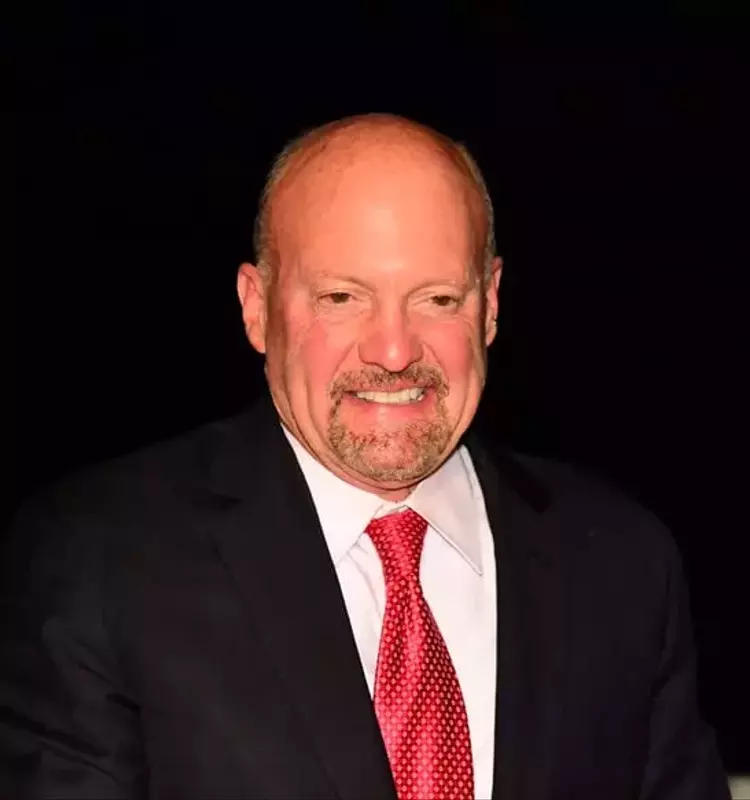
On a recent Friday, market pundit Jim Cramer articulated his worries about the burgeoning speculative fervor surrounding initial public offerings, specifically pointing to SpaceX's impending public debut. He cautioned that if too few shares are released, market demand could artificially inflate the company's value to staggering heights, potentially creating a self-contained bubble. This caution extends to other major tech entities like Anthropic and OpenAI, which are also considering public listings. Cramer fears that a rush of these high-profile tech IPOs could lead to investors divesting from existing holdings, thereby destabilizing the broader equity markets. He emphasized that the stock market operates on the fundamental principles of supply and demand, and an excessive supply of new offerings could precipitate a market downturn. He advocated for responsible pricing by underwriters to prevent the artificial inflation of initial trading gains, a common practice during the late 1990s dot-com boom that ultimately resulted in trillions of dollars in market value being wiped out between 2000 and 2002 due to inflated valuations.
Adding to these anxieties, venture capitalist Chamath Palihapitiya has also expressed apprehension about the speculative intensity in what he perceives as an increasingly saturated tech IPO landscape. Notably, SpaceX has already seen an approximate fivefold appreciation in its private market valuation, climbing from around $350 billion to its current $1.75 trillion target, a growth largely inaccessible to typical retail investors. Industry analysts suggest that SpaceX's eventual public listing could significantly recalibrate valuation standards across the AI, defense, and advanced computing sectors. David Lawant of Anchorage Digital further warned that the IPOs of SpaceX, OpenAI, and Anthropic might absorb substantial institutional liquidity, potentially siphoning capital from the cryptocurrency markets. These collective warnings underscore a growing sentiment of caution among financial experts regarding the trajectory of these high-profile tech offerings.
The current market climate, marked by a surge in high-profile tech IPOs, presents a critical juncture for investors and regulators alike. The echoes of the dot-com bust serve as a potent reminder of the perils of unchecked speculation and inflated valuations. It highlights the imperative for a balanced approach, where genuine innovation is rewarded, but market stability is not jeopardized by undue hype. As these tech giants prepare for their public debuts, their performance will not only shape their own future but also potentially redefine the broader investment landscape, demanding vigilance and prudence from all participants.
