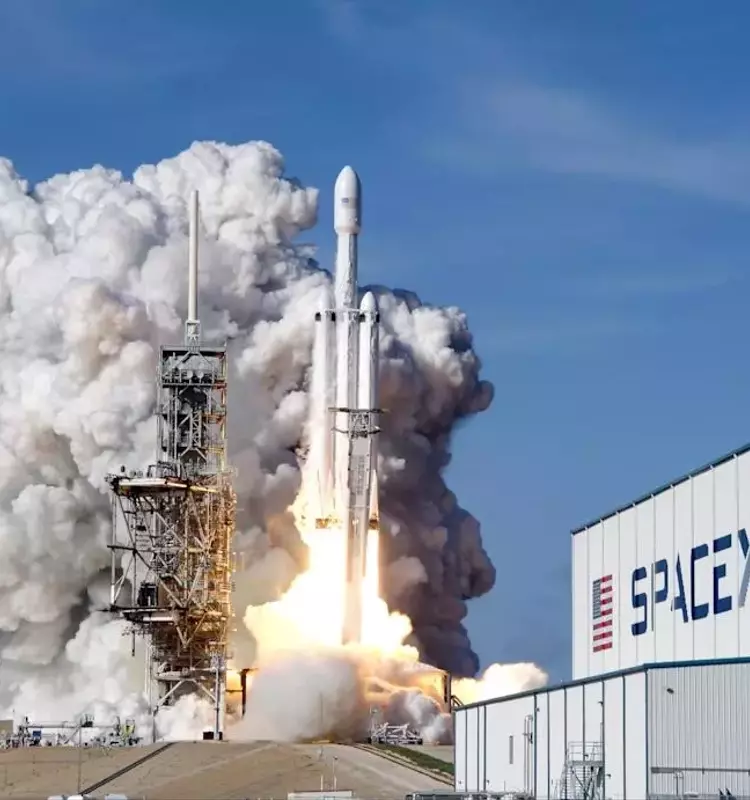
SpaceX is preparing for its highly anticipated stock market debut, making a notable move to include individual, "mom-and-pop" investors in what could be one of the largest initial public offerings in history. Unlike traditional IPOs that primarily target institutional investors, Elon Musk's space exploration company is setting aside a substantial portion, potentially up to 30%, of its shares for retail investors. This initiative aims to broaden participation in the company's public launch, allowing those with brokerage accounts on platforms like Charles Schwab, Fidelity, Robinhood, SoFi, and E-Trade to acquire shares. While this offers an exciting opportunity, potential investors should consider various factors, including the stock's potential volatility, the company's financial status, and the implications of its ownership structure.
Typically, initial public offerings allocate only a small percentage, usually between 5% and 10%, to individual investors. However, SpaceX's decision to dedicate a larger segment, up to 30%, marks a significant shift. Financial platforms like Fidelity are even lowering their minimum account balances, making it more accessible for a wider range of investors to participate. This expanded access could lead to high demand, potentially meaning that not all interested parties will be able to secure shares. Given the intense public interest surrounding SpaceX, there might be a temptation for investors to quickly sell their shares for a rapid profit if the price surges. However, brokerage firms often impose restrictions, penalizing those who engage in such short-term trading by limiting their participation in future offerings.
The involvement of a large number of individual investors could introduce increased price fluctuations. Unlike large institutional funds, individual investors are sometimes perceived as less methodical in their trading decisions, as evidenced by the rapid rise of "meme stocks" like GameStop in 2021. Historically, IPOs have seen an average first-day jump of 7% from 1980 to 2025, according to Professor Jay Ritter. However, in the subsequent five years, these stocks have generally underperformed their peers by an average of 3.6% annually, excluding their initial trading day. SpaceX also carries a significant debt load, reporting $29.1 billion by the end of March, and has incurred substantial losses, including $4.9 billion last year and an additional $4.3 billion in the first quarter of 2026, leading to a cautionary note in its filings about future profitability.
It's also possible for investors to gain exposure to SpaceX without directly purchasing its stock. Should the IPO be successful, SpaceX could quickly be added to major indices like the Nasdaq 100, and consequently, to exchange-traded funds such as the QQQ. This means investors holding these index funds would indirectly own a portion of SpaceX shares without any direct action. However, the S&P 500 index, a more widely followed benchmark, does not currently have provisions for such rapid inclusion. A crucial aspect for potential investors to understand is SpaceX's ownership structure. The company is offering "Class A" shares, each carrying one vote. However, Elon Musk holds a substantial number of "Class B" shares, each with ten votes, effectively giving him more than 82% of the total voting power post-IPO. This concentrated control, acknowledged by SpaceX in regulatory filings, could lead to potential conflicts of interest, especially given Musk's involvement in other ventures like Tesla. Some large institutional investors, including pension funds, have voiced strong objections to this dual-class structure, highlighting concerns about accountability and governance.
As SpaceX prepares for its public trading under the ticker symbol "SPCX," investors should be mindful not to confuse it with other similarly named companies, such as Richard Branson's Virgin Galactic Holdings, which trades under "SPCE." This distinction is vital for accurate investment decisions. The company's unique ownership model and financial landscape present a distinctive investment opportunity, but one that warrants thorough consideration of the associated risks and long-term implications, especially given the considerable influence retained by its founder, Elon Musk.
