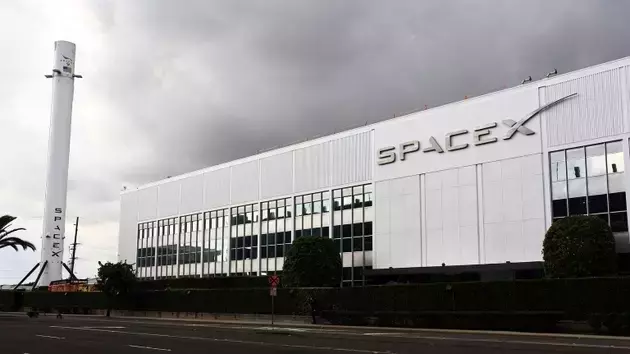
Space Exploration Technologies Corp., widely known as SpaceX, is poised to launch an Initial Public Offering (IPO) that could reach a staggering $1.75 trillion valuation. This monumental event is anticipated to offer significant trading opportunities, despite a meticulously designed IPO structure aimed at generating artificial demand and inflating prices. However, a deeper look reveals concerning financial fundamentals, including substantial net losses, rapid expense growth, and a notably short cash runway. Furthermore, Elon Musk's continued dominance with 85% voting power and the company's ambitious ventures into AI, coupled with aggressive capital expenditures, introduce considerable risk and potential volatility for prospective investors.
SpaceX's Anticipated IPO: A Deep Dive into Financials and Market Strategy
Yesterday, on May 20th, Space Exploration Technologies Corp. (SPCX), commonly known as SpaceX, officially filed its S-1, setting the stage for what is expected to be an IPO of unprecedented scale. Market observers have been keenly awaiting this moment, recognizing the potential for significant trading activity. The IPO is strategically structured to maximize demand and valuation through mechanisms like rapid inclusion in the Nasdaq-100 and a carefully tiered release of insider lock-ups, designed to create an environment conducive to price appreciation.
Despite the excitement, a thorough examination of SpaceX’s financial health reveals several red flags. The company reported annual revenues of $18 billion, with a year-over-year growth rate of 16%. However, this growth is overshadowed by a substantial 64% year-over-year increase in expenses. Projections indicate that the net loss for Q1 2026 could nearly equal the $4.9 billion loss recorded in 2025, highlighting persistent profitability challenges.
Adding to the complexity, Elon Musk maintains an 85% voting power, giving him extensive control over the company's strategic direction. SpaceX is also pursuing aggressive capital expenditure plans and ambitious AI initiatives, which further strain its financial resources. Critically, the company's cash reserves are projected to last for only two quarters, signaling a precarious financial position that could lead to heightened risk and market volatility post-IPO. These factors suggest a high-risk, high-reward scenario for investors considering participation in this landmark offering.
As a financial commentator, the impending SpaceX IPO presents a fascinating paradox. On one hand, the sheer scale and technological ambition of SpaceX are undeniable, promising transformative impacts across multiple industries. The potential for groundbreaking advancements in space exploration, satellite internet, and artificial intelligence could justify a premium valuation in the eyes of many investors. The meticulous crafting of the IPO to generate demand speaks to a sophisticated understanding of market dynamics, aiming to capitalize on the fervent interest in Musk's ventures. However, on the other hand, the financial realities paint a cautionary picture. The rapid burn rate, significant net losses, and a short cash runway introduce substantial risk. Elon Musk's concentrated voting power, while a testament to his vision, also means that the company's trajectory is heavily reliant on a single individual's decisions, which can be both an advantage and a vulnerability. This IPO seems to be a high-stakes bet, offering potentially astronomical returns for those willing to stomach equally enormous risks. It challenges investors to weigh the disruptive potential of innovation against stark financial fundamentals, prompting a debate about whether the company's future promises can outweigh its current financial challenges.
