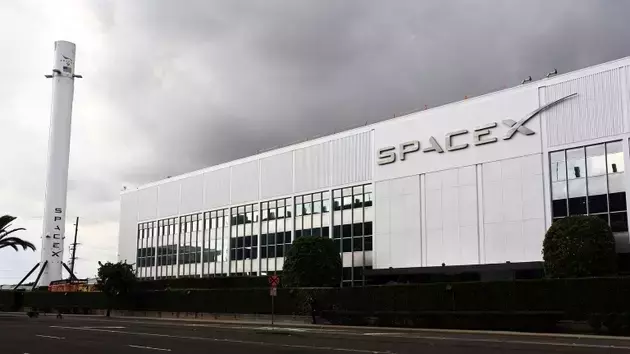
SpaceX's Nasdaq debut in 2026, fueled by Starlink's impressive revenue, has significantly reshaped the space industry. This event has thrust the importance of sovereign satellite capabilities into the spotlight for European nations, prompting a critical re-evaluation of their reliance on external providers. The European Union's ambitious IRIS² project, a multi-orbit satellite constellation spearheaded by industry leaders SES and Eutelsat, emerges as a strategic response to this evolving geopolitical and commercial landscape.
SpaceX's emergence has not only established new benchmarks for valuation within the space sector but also underscored the necessity for European self-sufficiency in critical communication infrastructure. The IRIS² initiative, backed by substantial EU funding, represents a concerted effort to mitigate strategic risks and foster indigenous technological growth, aiming to provide independent satellite services by 2030.
The Transformative Impact of SpaceX's Public Offering
SpaceX's public listing in May 2026 marked a pivotal moment in the global aerospace industry, propelling the company's valuation past the $2 trillion mark on its inaugural trading day. This unprecedented market event was largely propelled by the success of Starlink, its satellite internet division, which generated an astounding $11.4 billion in revenue in 2025. This figure represented a remarkable 48% year-over-year growth and constituted approximately 61% of SpaceX's total group revenue. The successful IPO not only validated the immense commercial potential of satellite constellations but also set a new standard for valuing private space enterprises, transitioning space technology from a niche industry to a mainstream investment theme.
The successful launch of SpaceX's public offering and Starlink's burgeoning financial performance have undeniably redefined the landscape of the space sector. This move has created a ripple effect across the industry, forcing both established players and emerging ventures to re-evaluate their strategies and market positions. The substantial valuation achieved by SpaceX underscores a significant shift in investor perception, highlighting a burgeoning confidence in the long-term profitability and strategic importance of satellite-based services. This re-rating impacts not only the commercial satellite market but also defense and government segments, intensifying the competitive environment and catalyzing further innovation across the entire aerospace ecosystem.
Europe's Strategic Response to a Shifting Space Paradigm
For European governments, the ascendancy of a single dominant U.S. provider like SpaceX in critical communication infrastructure presents a considerable strategic risk. The dependency on a foreign entity for such vital services has spurred the European Union to accelerate its own sovereign space initiatives. The flagship response is the IRIS² project, a multi-orbit satellite constellation backed by a significant €10.6 billion investment. With 60% of its funding from the EU, this ambitious undertaking is managed by the SpaceRISE consortium, led by prominent European satellite operators SES and Eutelsat, with a target operational date of 2030 for its services.
The IRIS² program is designed to provide Europe with independent and secure connectivity, reducing reliance on non-European systems and bolstering its technological sovereignty. This initiative aims to address a critical gap in European strategic autonomy, ensuring that essential communication and data services remain under European control. While Starlink's commercial success has demonstrated the viability of large-scale satellite internet, it has also emphasized the urgency for Europe to develop its own robust and resilient space infrastructure. The project positions SES and Eutelsat as key beneficiaries of this substantial European investment, leveraging their expertise to create a competitive sovereign satellite network that can meet both governmental and commercial demands, thereby mitigating potential vulnerabilities associated with foreign reliance.
