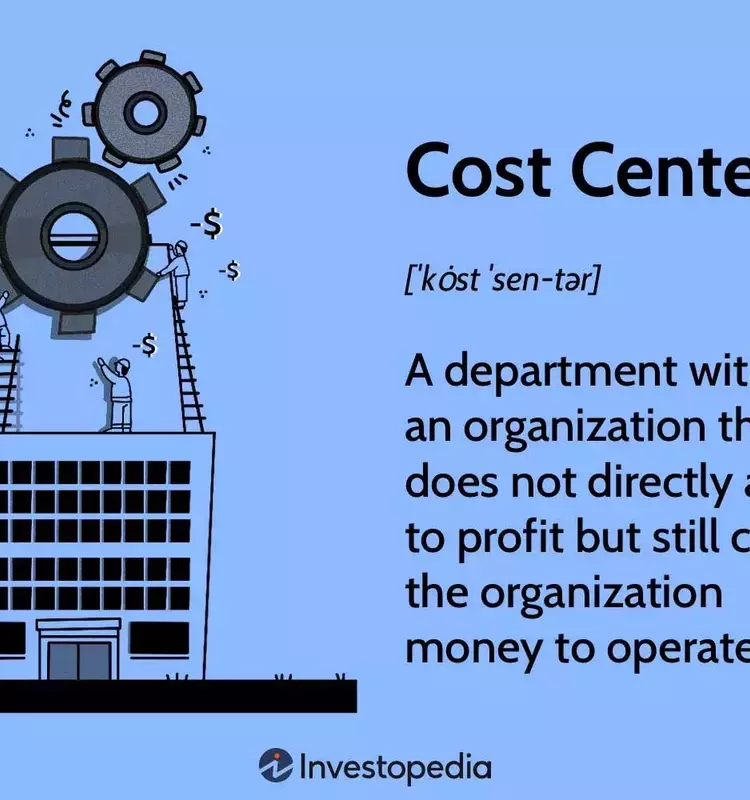
In the intricate landscape of corporate finance, a significant but often misunderstood entity is the 'cost center'. These internal units, while not directly contributing to a company's financial inflow, are indispensable for its smooth operation and long-term viability. From supporting vital functions to enabling revenue-generating activities, cost centers play a strategic role in maintaining organizational equilibrium and efficiency. Properly managed, they can unlock considerable value, enhancing resource deployment, cushioning against financial uncertainties, and nurturing a collaborative workplace culture.
Understanding the Dynamics of Cost Centers in Modern Enterprises
A cost center refers to any division or function within a company that incurs operational expenses without directly producing income. Such centers are fundamental to a business's operational integrity, ensuring that essential needs are met, and the overall enterprise functions effectively. For instance, consider the Information Technology (IT) department: its primary role is to ensure all technological systems are operational and secure, thereby empowering sales teams to efficiently pursue revenue-generating opportunities. Without a robust IT infrastructure, direct income streams could falter, demonstrating the indirect yet profound impact of cost centers on profitability. Businesses meticulously manage these units by establishing precise budgets, rigorously analyzing expenditures, and employing various cost allocation methods to fairly distribute overheads. The objective is to optimize the spending in these support areas, making sure they not only meet organizational demands but also add discernible value.
Cost centers come in various forms, primarily classified by their functional contributions. These are not always distinct departments but can be any function where segregating expenses is advantageous. Service cost centers, for example, provide crucial internal services such as mail distribution, logistics, and travel arrangements. While they don't directly boost sales, they facilitate critical business activities like client meetings and timely contract deliveries. Production cost centers are integral to product manufacturing, overseeing processes like quality control to prevent costly recalls and maintaining equipment to minimize downtime. Administrative cost centers manage essential organizational tasks, including records management and business continuity planning, which are critical for navigating unforeseen disruptions like natural disasters.
The strategic implementation of cost centers offers numerous benefits. They enable more precise resource allocation by highlighting areas of inefficient spending, allowing management to redirect funds to more profitable initiatives. Furthermore, by rigorously monitoring and allocating costs, companies can proactively identify and mitigate financial risks, enhancing their overall fiscal resilience. The allocation process itself also fosters a culture of unity, promoting dialogue among diverse departments about budgeting and spending. This collaborative approach aligns departmental strategies with overarching company goals, boosting teamwork and enhancing employee morale.
Despite their critical importance, managing cost centers presents challenges. Because they don't directly generate revenue, they are often perceived as financial burdens and are typically the first targets for budget cuts during economic downturns. This can be a short-sighted approach; for instance, reducing IT expenditure might lead to reliance on outdated technology, causing process slowdowns and decreased productivity. Moreover, assessing the performance of cost centers can be difficult, as their contributions are often qualitative rather than measurable revenue figures. Thus, companies must develop nuanced methods to evaluate their effectiveness and value proposition.
To overcome these challenges, organizations employ several cost allocation methods. Direct allocation assigns expenses to a single department that exclusively uses a service, such as a specialized software tool for one sales team. Step-down allocation involves a sequential distribution of costs, starting with the most significant support function; for instance, IT costs might first be allocated to HR, which then re-allocates its total costs to other departments. Activity-based costing, meanwhile, allocates costs based on resource consumption, directing more IT support expenses to departments with higher technological needs, such as software engineering teams. These methods ensure that cost center expenses are fairly and logically distributed, reflecting their true impact on the company's financial ecosystem.
In sum, cost centers are not merely drains on resources but fundamental pillars of a company's success. Their effective management enhances accountability, improves decision-making, and contributes significantly to overall financial health. While the temptation to cut back on support functions during tough times might be strong, recognizing their indispensable role and investing wisely in them is crucial for maintaining competitiveness and ensuring long-term prosperity. Forward-thinking businesses understand that valuing support functions as much as revenue-generating departments is key to navigating the complexities of the modern economic landscape.
