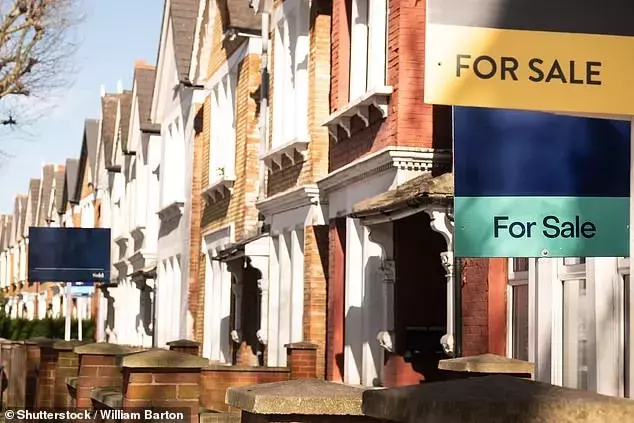
A sweeping transformation of the United Kingdom's property tax system is reportedly under consideration, spearheaded by the Chancellor. This potential overhaul could introduce a novel levy on residential properties exceeding £500,000 in value at the point of sale, with the stated objective of capitalizing on the substantial appreciation in real estate values over recent decades to bolster public funds. Such changes are poised to have far-reaching effects on homeowners, prospective buyers, and the broader housing market, signaling a shift in how property ownership contributes to the national coffers. The discussions extend to the potential replacement of the current stamp duty framework, a move that has sparked considerable debate among experts and industry stakeholders.
Currently, stamp duty serves as the primary property tax for homeowners in Britain, levied upon the purchase of a new residence. The existing structure dictates varying percentages based on property value, with first-time buyers enjoying certain exemptions. However, critics contend that this duty acts as a deterrent to residential mobility, hindering individuals from relocating to properties better suited to their evolving life stages. For instance, the reluctance of older homeowners to downsize due to tax implications can restrict the availability of larger homes for expanding families. Influential bodies, including the International Monetary Fund and the Institute for Fiscal Studies, have long advocated for a reform of this system, highlighting its negative impact on market fluidity, as evidenced by the surge in activity during the pandemic-era stamp duty holiday. The proposed shift, which would transfer the tax burden from buyer to seller, is seen by some as a potential boon for first-time purchasers, alleviating their initial financial outlay.
Under the radical new proposals being explored, owners of properties valued over £500,000 might face a 'proportional property tax,' potentially payable annually rather than as a lump sum at the time of sale. While the exact rates remain undisclosed, discussions reportedly involve considerations from a 2024 think tank report. This report suggested an annual tax of 0.54 percent on properties above £500,000, with an additional 0.278 percent on values exceeding £1 million, designed to generate revenue comparable to current stamp duty levels. However, it's anticipated that the Chancellor might aim for increased revenue. A critical concern is the potential market distortion if a £500,000 threshold is implemented, leading to a surge in demand for properties below this price point and a significant jump in values above it, particularly impacting areas with high property values like London and the South East. Such a scenario could exacerbate affordability challenges for families in these regions.
Beyond the immediate property sales tax, longer-term discussions involve replacing council tax with a local property tax. This new tax would be directly linked to property values and solely borne by homeowners. One proposal suggests an annual payment of at least £800 on homes up to £500,000, with local authorities setting the rate. A 0.44 percent rate on property values is posited as sufficient to match current council tax revenues. Importantly, this tax would be paid by the property owner, not the resident, offering potential relief to renters. These tax considerations emerge against a backdrop where property transaction taxes, largely stamp duty, are projected to contribute significantly to public finances, with forecasts indicating a steady increase in revenue over the coming years. Despite these potential revenue gains, the Treasury maintains its commitment to fostering economic growth and keeping taxes for working individuals as low as possible, emphasizing reforms beyond direct taxation, such as planning adjustments, to achieve fiscal strength.
Ultimately, the proposed property tax reforms, while still in their conceptual stages, represent a significant pivot in the UK's approach to housing taxation. The transition from a buyer-centric stamp duty to a seller-focused or value-based proportional tax could reshape market dynamics, potentially addressing issues of housing mobility and first-time buyer access. However, the exact implementation, particularly the tax rates and thresholds, will be crucial in determining the real-world impact on homeowners across different regions and income brackets. The ongoing debate underscores the delicate balance between revenue generation and fostering a healthy, accessible housing market.