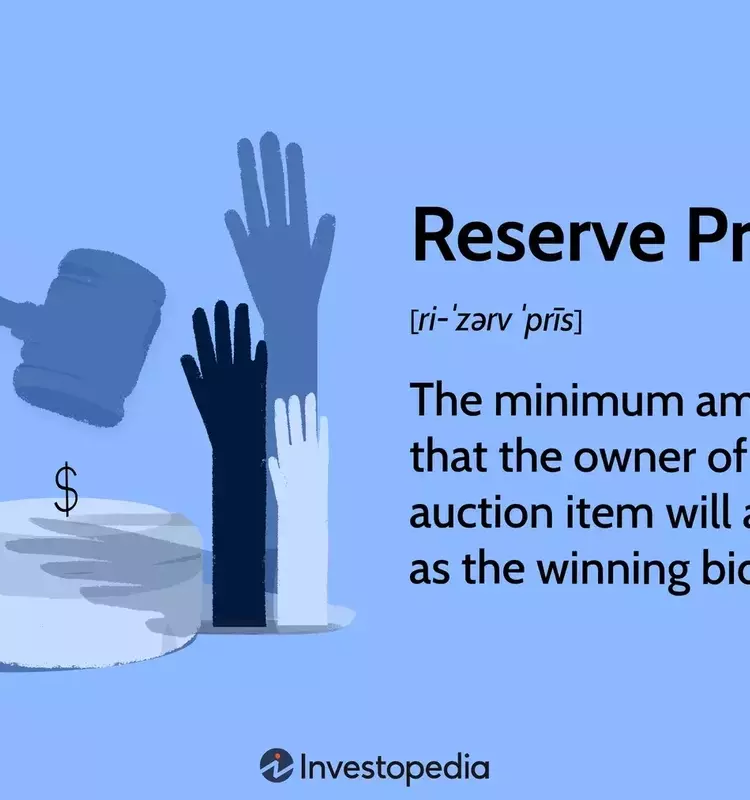
In the dynamic world of auctions, a crucial mechanism known as the reserve price safeguards sellers from undesirable outcomes. This predetermined minimum amount represents the lowest bid a seller is willing to accept for their item. It acts as a protective barrier, ensuring that valuable assets are not relinquished for sums deemed insufficient. While often confused with the initial asking price, the reserve price plays a distinct role in shaping the auction's progression and the final transaction.
Auction Dynamics: The Role and Impact of the Reserve Price
At the heart of any auction lies the interplay between buyer and seller expectations. The reserve price, a common feature in many auction formats, is meticulously set by the seller, often in consultation with auctioneers or trustees. This strategic figure is designed to prevent the sale of an item below a certain perceived value. For instance, in a recent auction event held in Ohio, a manufacturing firm facing bankruptcy aimed to liquidate its assets, including a specialized stamping press. The auction firm, following the bankruptcy trustee's advice, established a reserve price of $250,000 for this critical piece of machinery. However, to ignite competitive interest, the bidding commenced at a significantly lower figure: $100,000.
As the auction unfolded, several interested parties placed bids, incrementally raising the price. The former competitor of the bankrupt firm ultimately bid $200,000. Despite this substantial offer, no further bids materialized, and critically, the reserve price of $250,000 remained unmet. Consequently, the auctioneer, adhering to the established rules, withdrew the stamping press from the sale. This scenario vividly illustrates the protective function of a reserve price: it empowered the seller, even in distress, to avoid an unsatisfactory transaction. Had there been no reserve price, the stamping press might have been sold for a mere $200,000, falling short of the seller's minimum acceptable value. Furthermore, this incident highlights the differentiation between a reserve price and an opening bid. While the opening bid serves as an entry point to stimulate participation, the reserve price is the non-negotiable threshold that dictates whether a sale will ultimately occur. This distinction is paramount for both sellers seeking fair value and bidders navigating the competitive landscape of an auction.
Reflections on Auction Strategies and Transparency
The concept of a reserve price in auctions offers a fascinating glimpse into the strategic considerations that underpin commercial transactions. From a seller's perspective, it provides a vital safety net, allowing them to participate in the auction process without the fear of undervaluation. This protection, however, often comes at a cost, as some auction platforms may charge an additional fee for this feature. From a bidder's standpoint, the presence of an undisclosed reserve price can introduce an element of uncertainty, potentially diminishing the thrill of securing a bargain. This tension between seller protection and buyer aspiration shapes the dynamic of many auctions. The example of the Ohio manufacturing firm's stamping press vividly illustrates that even when an item garners significant interest, failure to meet the reserve price means no sale. This outcome underscores the importance for all participants—sellers, bidders, and auctioneers—to fully comprehend the rules and implications of reserve prices. Transparent communication about the presence of a reserve, even if the specific amount remains private, can foster greater trust and engagement within the auction community. Ultimately, a well-managed reserve price system can lead to more equitable outcomes, ensuring that sellers are fairly compensated while still allowing for a vibrant and competitive bidding environment.
