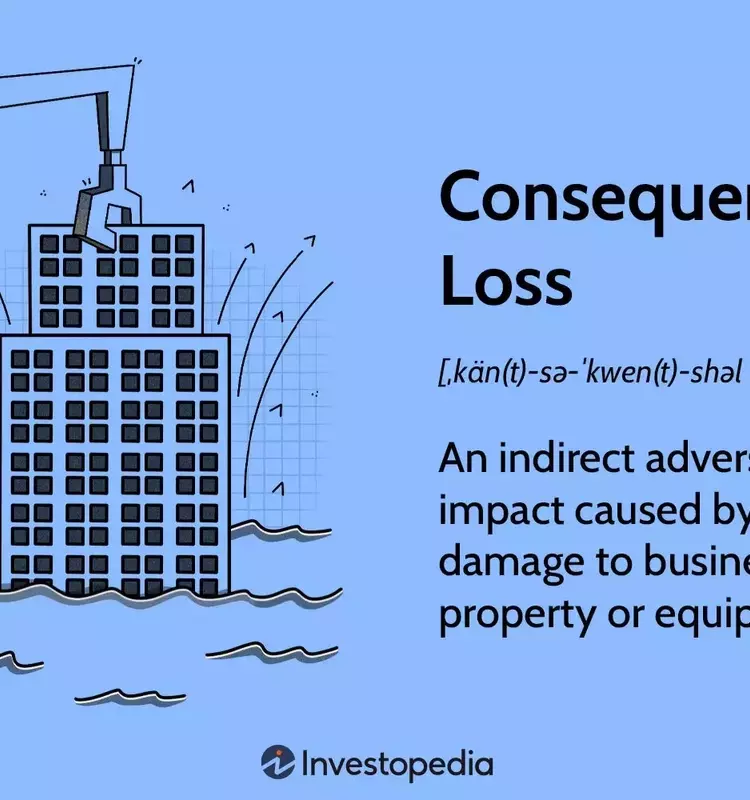
When unforeseen events disrupt normal operations, businesses often face more than just direct property damage; they encounter indirect financial repercussions known as consequential losses. These losses are not typically covered by standard property insurance, necessitating specialized protection. Business interruption insurance, also referred to as business income insurance, is designed to bridge this gap, ensuring that companies can recover lost income and manage ongoing expenses when their operations are temporarily halted due to covered perils. This critical coverage helps businesses navigate the challenges posed by disasters and other unexpected disruptions, safeguarding their financial stability during recovery.
The Critical Role of Business Interruption Insurance in Mitigating Indirect Business Losses
In the intricate world of business, where operations can be disrupted by various unforeseen events, the concept of consequential loss plays a pivotal role in financial planning and risk management. Consequential loss, in insurance parlance, refers to the indirect financial impacts a business suffers due to direct damage to its property or equipment. These indirect impacts often extend far beyond the immediate repair costs, encompassing lost revenue and ongoing operational expenses incurred during the period of disruption.
For instance, imagine a bakery in Portland, Michigan, suffering extensive damage from a devastating tornado. While standard property insurance would cover the physical reconstruction of the premises and replacement of damaged equipment, it would not automatically compensate for the income the bakery loses while it remains closed for repairs. This lost income, along with continuing fixed costs like employee salaries and rent, constitutes a consequential loss. To address such scenarios, businesses need to secure a separate policy known as business interruption insurance, or business income insurance.
This specialized insurance activates following a covered event, compensating the business owner for the profits they would have earned had the disruption not occurred. Coverage typically extends from the moment the adverse event takes place until the business can resume its normal operations. This can include losses stemming from natural disasters like floods or mudslides, power outages, or even operational stoppages due to contract disputes with suppliers. It is crucial to note that business interruption insurance is often peril-specific, meaning it covers only those risks explicitly listed in the policy, and must typically be purchased as an add-on or a standalone policy.
Insurers meticulously evaluate claims for consequential losses, scrutinizing for any inflated expectations. For example, a bakery claiming lost sales after fire damage would need to demonstrate that the claimed revenue was reasonable and directly attributable to the operational halt. While many businesses maintain general liability insurance to protect against costs from accidents, injuries, or negligence, this does not extend to indirect income losses. Therefore, a comprehensive risk management strategy for any business must include a thorough assessment of potential consequential loss exposures and the acquisition of appropriate, specific insurance coverage to ensure full financial protection and continuity.
The protection offered by business interruption insurance is not merely a financial safeguard; it represents a commitment to resilience. In an unpredictable world, preparing for the unexpected is paramount. Business owners who proactively analyze their vulnerabilities and invest in comprehensive coverage demonstrate foresight and a dedication to their enterprise's long-term viability, ensuring they can weather even the most severe storms.
