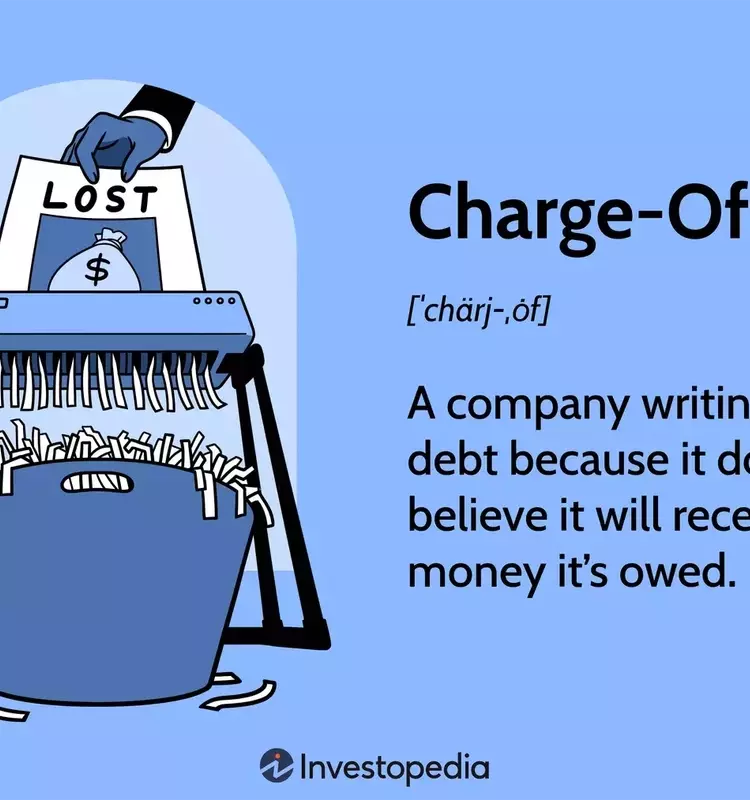
When a borrower falls significantly behind on loan repayments, their debt may be designated as a "charge-off." This accounting measure by creditors indicates that the debt is unlikely to be recovered, yet the debtor retains legal responsibility for its repayment. This article delves into the intricacies of charge-offs, outlining their mechanics, repercussions for credit standing, and effective management approaches.
A charge-off is formally declared when a financial institution determines that an outstanding obligation is no longer collectible. This typically transpires after a period of approximately 180 days (six months) during which no payments have been made. Even after this designation, the original agreement to repay the debt remains legally binding for the borrower. When minimum payments are consistently missed or are insufficient to meet the required amount, a creditor will also initiate a charge-off. Subsequently, the creditor categorizes the debt as uncollectible and records this status on the consumer's credit report.
The presence of a charge-off on a credit report can have severe ramifications. It significantly diminishes a borrower's credit score, thereby impeding their ability to secure new credit or obtain favorable interest rates on future loans. It is crucial to understand that even if the charged-off debt is eventually paid or settled, the charge-off record itself will not be expunged from the credit report. Instead, its status will be updated to reflect that it has been "paid" or "settled." Regardless of resolution, a charge-off typically persists on a credit report for a duration of seven years. In instances of unforeseen financial hardship, such as job loss, debtors may communicate with their lenders, providing evidence of their prior positive payment history to seek potential relief.
The concept of the "statute of limitations" defines the timeframe within which a debt can be legally pursued through court action. Once this period elapses, the debt becomes time-barred, meaning legal action cannot be taken against the borrower for its collection. Furthermore, if a collection agency attempts to recover a time-barred debt and continues contact after being explicitly requested to cease, the debtor may pursue legal action against the agency, citing violations of the Fair Debt Collection Practices Act (FDCPA). It is important to distinguish that the removal of a charge-off from a credit report after seven years does not necessarily coincide with the expiration of the statute of limitations. The length of this statute varies by state and debt type, ranging from as little as three years to over two decades. Even when a debt has passed its statute of limitations, the underlying obligation to pay still exists; it simply means the creditor or collector cannot obtain a court judgment for the repayment of that older debt.
Lenders categorize unrecoverable debts as "bad debt." Businesses account for bad debt as an expense on their income statements. For an obligation to be recognized as a business bad debt, it must have originated from standard business operations, whether with another business entity or an individual. Bad debt charge-offs are particularly prevalent with unsecured credit products like credit cards and personal signature loans.
Resolving charged-off accounts is paramount, as the legal responsibility for these debts persists until they are fully paid, settled with the lender, or discharged through bankruptcy. The only way to remove an erroneous charge-off from a credit report is by initiating a dispute with credit reporting agencies; if verified as an error, it will be deleted. Otherwise, the record will remain for seven years, even if paid, with its status updated to "charge-off paid." Both charge-offs and collections represent significant negative entries on a credit report, signaling risk to potential lenders. While a charge-off indicates the original creditor has given up on recovery, a collection involves an agency actively pursuing the debt. Proactive engagement with these issues can lead to improved financial health and enhanced creditworthiness.
