Your Money, Always Within Reach: The Power of Demand Deposit Accounts
What is a Demand Deposit Account?
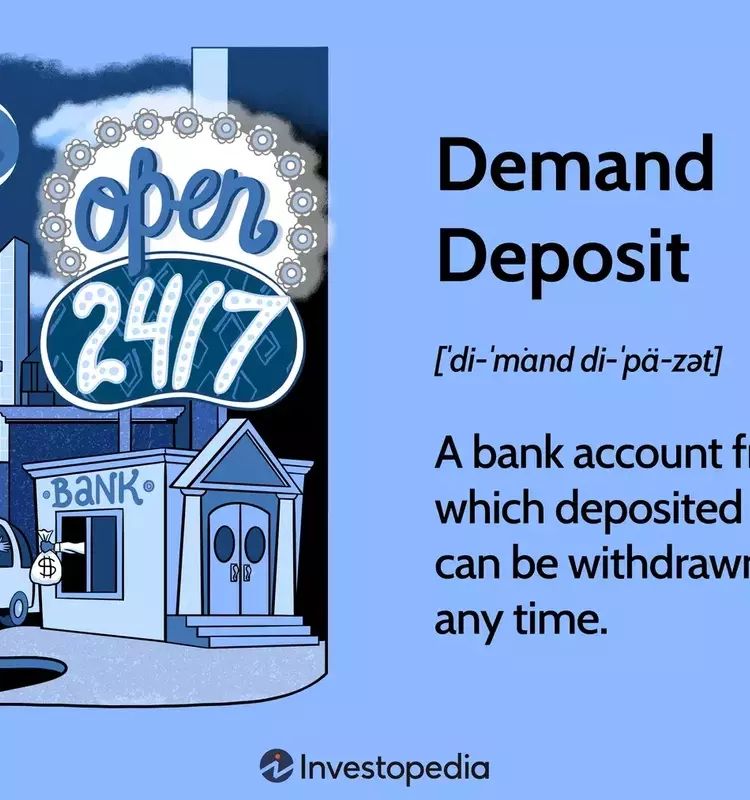
A demand deposit account is a type of bank account that allows you to withdraw funds at any time without advance notice or penalty. These accounts are designed for high liquidity, making it convenient to access your money for daily needs and transactions.
How Demand Deposit Accounts Function
The core principle of demand deposit accounts is immediate access to funds. Unlike traditional investment accounts that might require a waiting period for withdrawals, DDAs ensure your money is available "on demand." This mechanism facilitates everyday spending and bill payments, offering unparalleled convenience. The term "DDA" can also refer to direct debit authorizations, where funds are instantly deducted from your account for purchases, such as when using a debit card, reinforcing the concept of immediate financial availability.
Key Characteristics of Demand Deposit Accounts
Demand deposit accounts often support joint ownership, enabling multiple individuals to manage the account. While all owners must agree to open the account, any single owner can typically initiate transactions, including closing the account, without needing permission from the others. Many banking institutions now offer DDAs with no minimum balance requirements or monthly fees, significantly increasing their accessibility and appeal to a broader customer base.
Varieties of Demand Deposit Accounts
Primarily, DDAs encompass checking accounts, but they can also include certain types of savings accounts. Depending on the regulating authority, money market accounts (MMAs) might also be classified as DDAs. It's important to note that demand deposits constitute a significant portion of the M1 money supply, representing the most liquid forms of currency readily available in the economy.
Criteria for Opening Demand Deposit Accounts
DDAs are characterized by their flexibility, featuring no withdrawal or transfer limits and no fixed maturity periods, ensuring instant access to your funds. Historically, regulations like the Federal Reserve Board's Regulation Q prohibited interest payments on certain demand deposit accounts. Although Regulation Q was repealed in 2011, DDAs typically offer low or no interest rates, prioritizing immediate liquidity over high returns. However, many institutions now waive monthly fees, further enhancing their user-friendliness.
Demand Deposits Versus Term Deposits: A Comparative View
While both demand deposit and term deposit accounts are banking products, they differ significantly in terms of fund accessibility and interest earnings. DDAs offer immediate access to your money, whereas term deposits, such as Certificates of Deposit (CDs), restrict access for a predetermined period. This restriction allows term deposits to offer higher interest rates as compensation for the lack of immediate liquidity. Money market accounts represent a hybrid option, offering immediate access and market-driven interest rates, though they may impose limits on monthly transactions.
Common Inquiries Regarding Demand Deposit Accounts
The acronym DDA on a bank statement signifies a "demand deposit account" or "direct debit authorization," both indicating immediate fund accessibility. A consumer DDA account is simply a demand deposit account designed for individuals, allowing withdrawals without prior notice. The primary distinction between demand and time deposits lies in their liquidity: demand deposits provide instant access, while time deposits lock funds for a specified period. The main advantage of DDAs is the unparalleled convenience of having funds immediately available for various financial needs without penalties or fees.
Concluding Thoughts on Demand Deposit Accounts
Demand deposit accounts (DDAs), provided by banks and credit unions, are essential for managing daily finances due to their feature of instant fund access without prior notification or fees. These accounts, typically checking or savings accounts, prioritize liquidity. While offering significant convenience, they generally yield minimal or no interest, reflecting the trade-off for immediate accessibility to funds.
