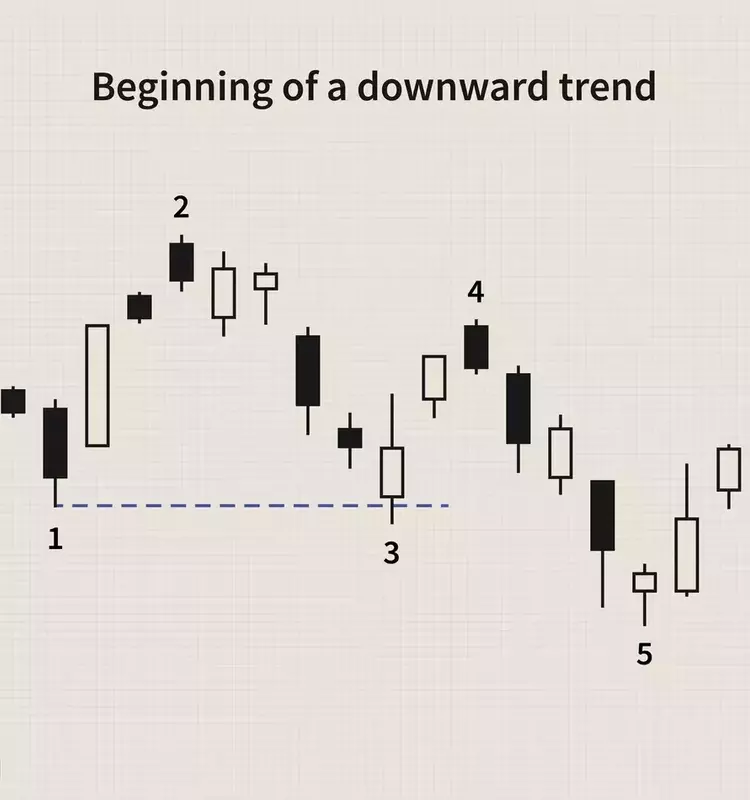
A downtrend represents a prolonged decrease in the value of an asset, characterized by a series of declining peaks and troughs. This market behavior often signals a weakening in underlying market conditions, making it crucial for traders to understand its dynamics for effective trading and risk management. Technical analysts commonly employ various indicators, charts, and trend-following tools to identify and navigate these declining markets. This article explores the mechanics of downtrends, methods for recognizing them, and strategic approaches to trading in such environments.
Understanding downtrends is essential for any market participant, as it reveals fundamental shifts in investor sentiment and the balance between supply and demand. While these periods can pose challenges for traditional long-only investors, they also create unique opportunities for those who employ specific trading strategies. By recognizing the early signs and enduring characteristics of a downtrend, traders can adjust their positions, mitigate potential losses, and even capitalize on falling prices. This guide will delve into how these market movements are analyzed and the tactical maneuvers that can be deployed to navigate them successfully.
Identifying and Interpreting Market Declines
A falling market is defined by an asset's price consistently charting lower high points and lower low points over an extended period. This pattern is indicative of diminishing market strength and provides valuable insights for both trading decisions and risk mitigation. Traders frequently employ various analytical tools, including charts and trend indicators, to detect and profit from these market downturns. Grasping the operational aspects of declining markets, recognizing their specific traits, and developing appropriate strategies are vital for confident navigation of bearish conditions.
The price fluctuations within a downtrend, although sometimes exhibiting temporary upward movements, are fundamentally marked by successively lower highs and lows. Technical analysts closely monitor these trends because they suggest more than mere transient losses; they often point to a foundational erosion of value. Securities caught in a downward spiral typically continue their descent until broader market conditions undergo a significant transformation, reflecting a profound weakening of the asset’s appeal. This systematic decline offers critical data points for sophisticated trading strategies.
Strategic Approaches to Trading in Declining Markets
Many equity traders primarily focus on rising markets and exclusively hold long positions, tending to avoid market downtrends. However, downtrends are a pervasive feature across all trading timeframes, from minutes to years, making their early identification a key objective for traders. For those who engage in both long and short trading, downtrends open up new avenues for profitable opportunities.
Traders acknowledge that once a downtrend is confirmed, exercising caution when initiating new long positions is prudent, as this hesitancy can further suppress demand and accelerate the downtrend. Conversely, traders adept at both long and short strategies perceive a downtrend as a fresh chance to profit. Short sellers, for instance, exploit downtrends by borrowing and selling shares, with the intention of repurchasing them at a lower price in the future. Their sell orders amplify the downward pressure, contributing to the trend's momentum as they aim to profit from subsequent lower price swings. Furthermore, technical indicators such as moving averages, the Relative Strength Index (RSI), and the Average Directional Index (ADX) are invaluable for gauging the intensity and persistence of a downtrend, helping traders make informed decisions on when to enter a short position.
