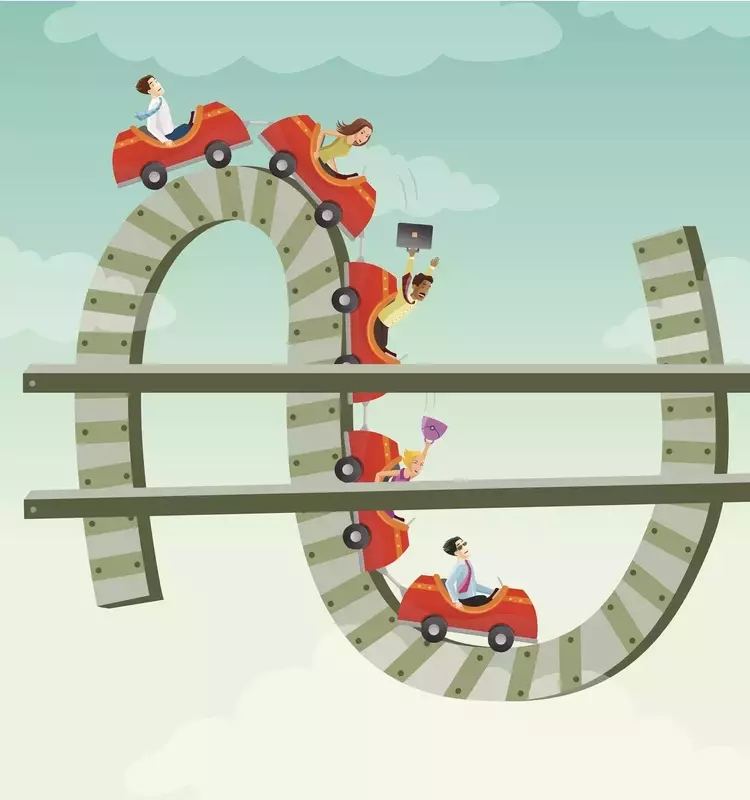
Economic contraction signifies a downturn in the overall financial landscape, characterized by declining gross domestic product (GDP) and increasing unemployment rates. This phase is a crucial part of the broader business cycle, occurring after a period of economic expansion and reaching its lowest point, known as the trough. Understanding the dynamics of economic contraction, its causes, and its historical manifestations is essential for grasping the complexities of economic health.
Historically, various factors have triggered economic contractions, from market bubbles bursting to global health crises. These periods often bring about widespread financial hardship, highlighting the interconnectedness of macroeconomic indicators and individual economic realities. Examining past episodes provides valuable insights into how economies react to and recover from such downturns, emphasizing the importance of informed policy-making and resilient financial planning.
Understanding Economic Downturns
An economic contraction marks a period when the overall economy experiences a decline, typically characterized by a reduction in real Gross Domestic Product (GDP) and an increase in the unemployment rate. This phase is the third stage of the economic cycle, occurring after an expansionary period has reached its peak and before the economy hits its lowest point, known as the trough. During an expansion, there is growth in GDP, an increase in per capita income, and a decrease in joblessness. However, once the peak is reached, these trends reverse, leading to a contraction. This downturn affects various aspects of an economy, from individual finances to broader market stability. The duration of such contractions can vary significantly, ranging from a few months to several years, as evidenced by major historical events like the Great Depression and the Great Recession.
During an economic contraction, the public often experiences significant financial strain. A decrease in productivity translates directly into higher unemployment and reduced wages, as the demand for labor falls. With fewer available jobs and lower earning potential, consumer spending typically declines, which can further intensify the contractionary spiral. This ripple effect underscores the critical importance of GDP as a primary measure of economic health; its sustained decline is a clear indicator of a contracting economy. The economic cycle, encompassing expansion, peak, contraction, and trough, demonstrates the cyclical nature of economic activity and the challenges inherent in managing these fluctuations. Recognizing the signs and impacts of contraction is vital for both policymakers and individuals in navigating periods of economic uncertainty.
Historical Context and Impacts of Economic Decline
Throughout history, the United States has experienced several significant periods of economic contraction, each with unique triggers and lasting consequences. The most severe and prolonged of these was the Great Depression, which spanned from 1929 to 1941. This extended period of economic hardship saw unprecedented levels of unemployment and a drastic decline in economic output, profoundly shaping economic policy and societal attitudes for generations. More recently, the early 1980s witnessed a contractionary period as the Federal Reserve aggressively raised interest rates to combat rampant inflation. Although brief, this episode demonstrated the powerful impact of monetary policy on economic activity, eventually paving the way for a strong recovery and a sustained period of growth.
Another notable downturn was the Great Recession from 2007 to 2009, which stemmed from a housing market bubble and instability in the financial sector. This crisis led to widespread job losses, foreclosures, and a significant economic slowdown. The COVID-19 pandemic in March 2020 also marked the end of the longest economic expansion in U.S. history, triggering a sharp but relatively short contraction due to lockdowns and restrictions. Following the vaccine rollout, the economy showed strong signs of recovery into 2022. However, concerns about inflation prompted the Federal Reserve to begin raising interest rates, increasing the risk of another recession. In response, legislative measures like the Inflation Reduction Act were enacted to address inflation, bolster energy production, and reduce healthcare costs, underscoring ongoing efforts to stabilize the economy and mitigate the effects of contraction.
