Understanding Financial Methods for Businesses and Individuals
Finance

Understanding Financial Methods for Businesses and Individuals

authorBy Michele Ferrero
DateMay 11, 2026
Read time2 min

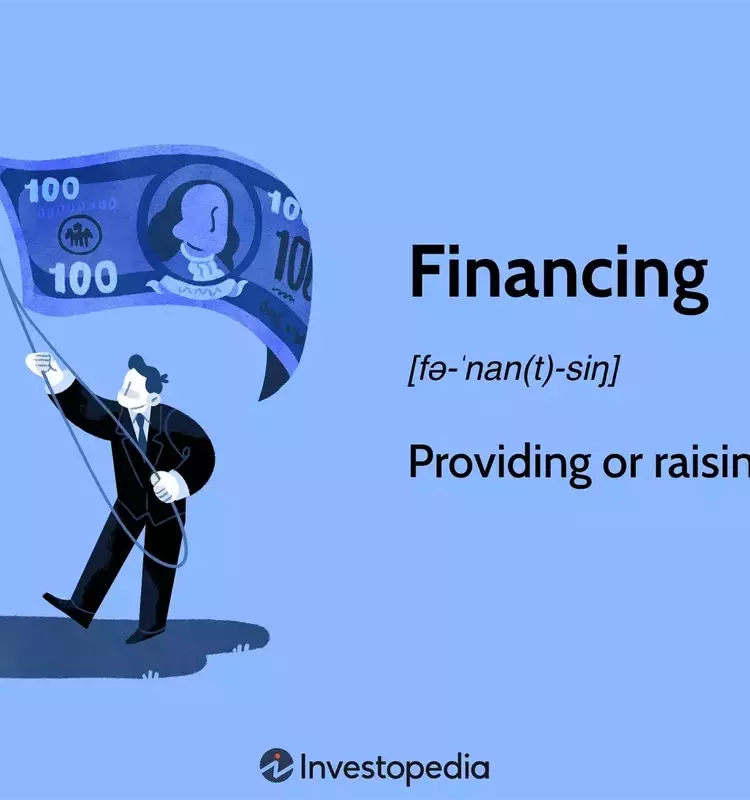
Securing funds is a critical process for individuals and businesses alike, whether for initiating a new enterprise, acquiring assets, or making strategic investments. This foundational financial activity enables growth and operational continuity. Essentially, it involves obtaining monetary resources through various channels, primarily categorized into two main types: debt and equity.

Debt financing involves borrowing money, typically from financial institutions, with a commitment to repayment, often including interest. This method can be cost-effective due to potential tax benefits on interest. Conversely, equity financing entails offering a portion of ownership to investors in exchange for capital. While this avoids repayment obligations, it means relinquishing some control and sharing future profits. Both approaches have distinct benefits and drawbacks, requiring careful consideration based on specific needs and risk tolerance. Utilizing external capital efficiently allows individuals and companies to pursue opportunities that might otherwise be out of reach, leveraging the principle of the time value of money.

Choosing the appropriate financing strategy hinges on a thorough evaluation of associated risks and benefits. For instance, while debt financing often comes with predictable payments and retained ownership, it burdens the entity with regular financial obligations that can be challenging during lean times. Equity financing, though it dilutes ownership, provides capital without the immediate pressure of loan repayments, offering more flexibility in uncertain periods. The optimal capital structure for any venture often involves a strategic blend of both debt and equity, balancing the cost of capital with the desired level of control and risk.

Ultimately, the ability to effectively raise capital is vital for economic progress and personal advancement. By understanding the nuances of debt and equity financing, individuals and businesses can make informed decisions that support their long-term goals. Thoughtful selection of funding mechanisms can pave the way for innovation, expansion, and sustained financial health, underscoring the importance of strategic financial planning.

More Articles
Finance
Unlocking REIT Potential: The Power of Construction Costs and Emotional Investing
This article delves into the often-overlooked opportunities within the Real Estate Investment Trust (REIT) sector. It highlights how current market undervaluation, coupled with rising construction expenses limiting new supply, creates a compelling environment for existing REIT portfolios. The piece emphasizes the importance of emotional discipline in investing and presents REITs as a contrarian play with strong structural tailwinds for dividend growth and capital appreciation. Investors are encouraged to systematically accumulate shares to capitalize on this unique market dynamic.
By Nouriel RoubiniMay 11, 2026
Finance
The Evolution of the Rust Belt: From Industrial Powerhouse to Economic Transformation
The Rust Belt, an area extending from New York to the Midwest, was historically a center for coal, steel, and manufacturing industries. The term emerged in the late 1970s following a significant decline in industrial activity, leading to numerous abandoned factories and increased poverty rates. This region, encompassing states like Illinois, Michigan, and Pennsylvania, has played a pivotal role in U.S. economic and political landscapes.
By Morgan HouselMay 11, 2026
Finance
Understanding Community Land Trusts: A Key to Affordable Housing
Community Land Trusts (CLTs) are vital non-profit entities addressing housing affordability by separating land and home ownership. They enable individuals to own their homes while the CLT retains the land, ensuring long-term affordability and curbing speculative price increases. This model empowers communities, particularly those affected by historical discrimination, to build generational wealth and maintain accessible housing for future generations, fostering sustainable neighborhood development.
By Strive MasiyiwaMay 11, 2026
Finance
Baillie Gifford's Q1 2026 Portfolio Adjustments: A Detailed Review
Baillie Gifford's Q1 2026 13F portfolio saw a decrease in value from approximately $120 billion to $98 billion. Key holdings like NVIDIA, Amazon, MercadoLibre, Spotify, and NU Holdings constituted about 27% of the total assets. The firm strategically increased stakes in companies such as Sea Ltd., AppLovin, DexCom, and Duolingo, notably building positions in DUOL despite market fluctuations. Conversely, Baillie Gifford reduced its exposure to major holdings including NVDA, AMZN, MELI, SPOT, and SHOP, indicating a focused approach on profit realization and portfolio recalibration. While maintaining a diverse portfolio, these adjustments highlight a shift towards managing risk and pursuing selective growth opportunities.
By Morgan HouselMay 11, 2026
Finance
Invesco Water Resources ETF: Not the Optimal Choice for Water Sector Exposure
The Invesco Water Resources ETF (PHO) has shown weaker performance compared to both the S&P 500 and other water-focused ETFs since late 2024. Its portfolio primarily consists of holdings like Waters, Roper, and Ecolab, which have limited direct ties to the water industry. While PHO might improve if the AI capital expenditure trend slows and other sectors recover, it currently does not fulfill the investment needs of most individuals seeking dedicated water exposure.
By Robert KiyosakiMay 11, 2026