Understanding the GmbH: Germany's Limited Liability Company Structure
Finance

Understanding the GmbH: Germany's Limited Liability Company Structure

authorBy Michele Ferrero
DateApr 30, 2026
Read time2 min

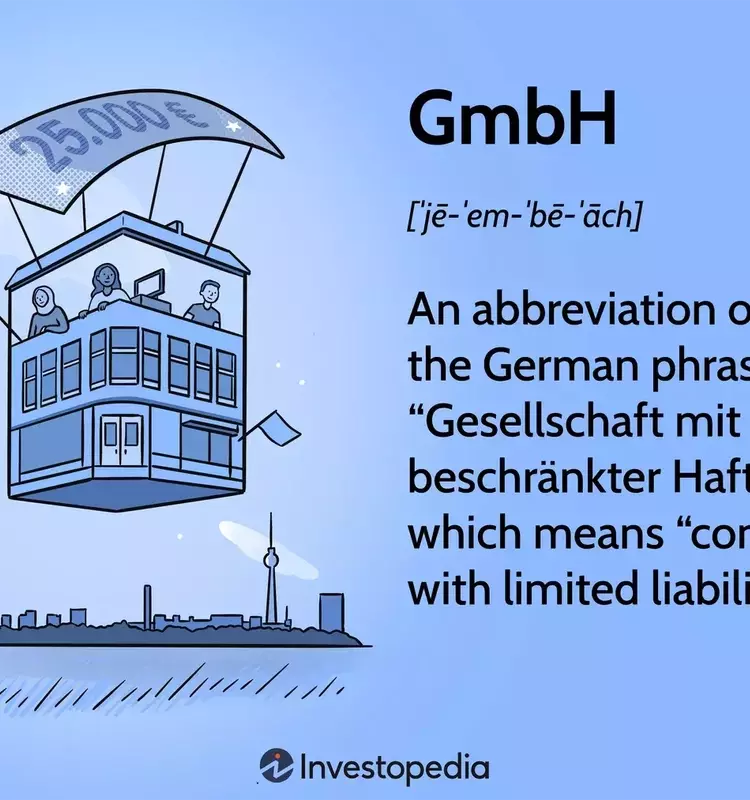
A GmbH, or Gesellschaft mit beschränkter Haftung, is the German term for a limited liability company, similar to an LLC in the United States or a private limited company in the United Kingdom. This corporate structure limits the financial responsibility of its owners to their capital contributions, protecting their personal assets from business debts. The GmbH is the most common form of business incorporation in Germany, underscoring its importance in the country's business landscape.

Establishing a GmbH in Germany involves specific capital requirements and registration processes. To form a GmbH, a minimum capital of 25,000 euros is mandated, with at least half of this sum needing to be available before registration with the Company Register. This measure ensures that only financially sound entrepreneurs can initiate new ventures, fostering a stable business environment. During the interim period between company formation and official registration (which typically takes up to three weeks), individuals involved may face personal liability; however, upon successful registration, shareholders gain protection from such liabilities. Furthermore, a newly formed GmbH must appoint its first director and submit a list of shareholders during the registration process. While companies with over 500 employees are required to establish a supervisory board, smaller GmbHs are managed solely by their managing directors. Germany also offers variations like the "mini-GmbH" (Unternehmergesellschaft or UG), requiring only €1 in capital, but necessitating annual reserves until reaching the €25,000 threshold for conversion to a full GmbH. Other specialized forms include GmbH & Co. KG (a hybrid limited partnership) and gGmbH (a non-profit variant), providing flexible options for diverse business needs across Germany, Austria, and Switzerland.

The prevalence and adaptability of the GmbH structure highlight its role in promoting economic stability and entrepreneurial growth in German-speaking countries. By clearly defining liability and capital requirements, these nations support responsible business practices while offering pathways for new companies to emerge and thrive, contributing to a robust and dynamic economy.

More Articles
Finance
Understanding Liquidated Damages in Contract Law
Liquidated damages are a predetermined sum stipulated in a contract, serving as compensation for intangible losses if a party breaches their contractual obligations. This clause aims to provide a fair estimate of losses when actual damages are hard to quantify, covering situations like missed deadlines or leaked trade secrets. Courts generally uphold these clauses unless the amount is disproportionately high.
By Morgan HouselApr 30, 2026
Finance
Townsquare Media Navigates AI Headwinds with Digital Growth
Townsquare Media, Inc. is strategically pivoting towards digital and media partnerships to offset challenges from AI in the traditional radio sector. The company anticipates a significant boost in media partnership revenue, aiming for a long-term goal of $50 million annually. Despite a projected decline in remnant indirect revenue, stable dividends, prudent debt management, and a compelling stock yield position TSQ as an attractive investment.
By Mariana MazzucatoApr 30, 2026
Finance
Understanding Home Foreclosures: Process, Timelines, and Avoidance Strategies
This article explores the concept of home foreclosure, a legal procedure where a lender takes possession of a property when a borrower fails to meet mortgage obligations. It details the steps involved, from missed payments to auction, highlights state-to-state variations, and discusses how long the process typically takes. Furthermore, the article outlines various methods homeowners can employ to prevent foreclosure and examines the financial repercussions for borrowers.
By Morgan HouselApr 30, 2026
Finance
The Strategic Edge of Loyalty Programs in Modern Business
Loyalty programs are essential marketing tools for businesses to cultivate customer retention through various incentives like exclusive discounts and rewards. They not only encourage repeat purchases but also offer valuable insights into consumer behavior and preferences. While traditional programs reward frequent engagement, some businesses, like Costco and Amazon, leverage membership models to foster allegiance, highlighting their pivotal role in maintaining market share and driving sales.
By Robert KiyosakiApr 30, 2026
Finance
Understanding Non-Exempt Employee Status in the US Labor Law
This article explores the concept of non-exempt employees under the Fair Labor Standards Act (FLSA), detailing their rights, compensation structure, and distinguishing features from exempt employees. It covers minimum wage and overtime pay entitlements, the criteria for classification, and the historical context of FLSA. The article also discusses the advantages and disadvantages of non-exempt status and provides examples of such roles.
By Lisa JingApr 30, 2026