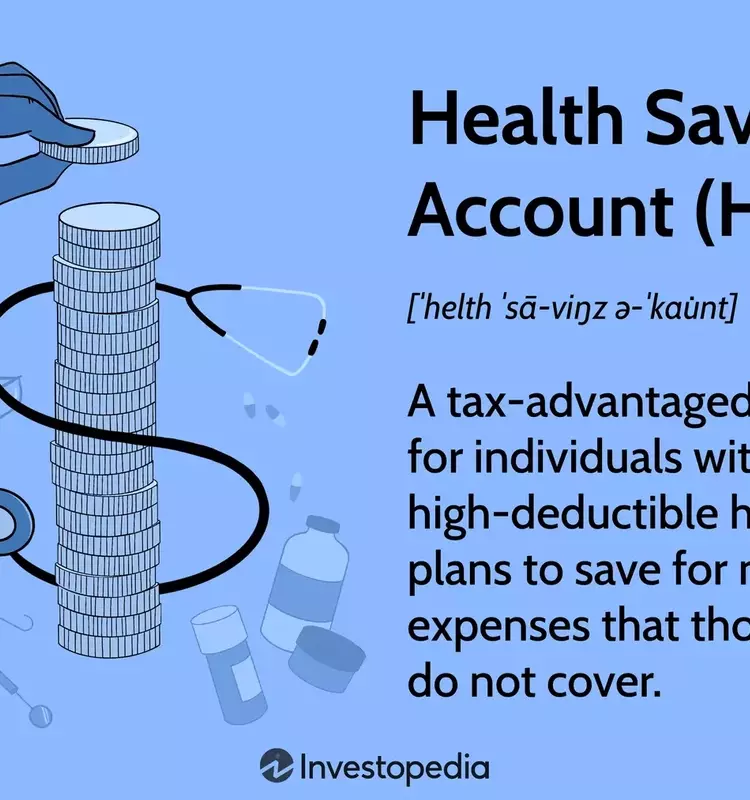
Health Savings Accounts (HSAs) serve as a crucial financial instrument for individuals with high-deductible health plans (HDHPs), allowing them to set aside funds for various medical expenditures. These accounts boast a distinctive "triple tax advantage": contributions are tax-deductible, investments within the account grow without being taxed, and withdrawals for qualifying medical costs are also tax-exempt. This makes HSAs an attractive option for managing healthcare finances and potentially supplementing retirement savings.
To qualify for an HSA, individuals must be covered by an HDHP and meet specific IRS criteria, including not having other health coverage, not being enrolled in Medicare, and not being claimed as a dependent. The IRS sets annual contribution limits, which for 2024 are $4,150 for individuals and $8,300 for families, with additional catch-up contributions allowed for those aged 55 and over. These limits encompass contributions from both individuals and employers, highlighting the collaborative aspect of funding these accounts.
HSAs offer a distinct advantage over other health savings options, such as Flexible Spending Accounts (FSAs), due to their flexibility and portability. Unlike FSAs, HSA funds roll over year-to-year, and account holders can take their HSA with them if they change employment. Furthermore, the ability to invest HSA funds in stocks and other securities allows for potential long-term growth, which can be particularly beneficial for future medical expenses or even as a retirement savings vehicle, especially after age 65 when non-qualified withdrawals are no longer subject to a penalty.
While HSAs present numerous benefits, they also come with important considerations. The requirement to pair an HSA with an HDHP means individuals must be comfortable with higher deductibles, which can be substantial (e.g., $1,600 for individuals and $3,200 for families in 2024). This structure may necessitate having sufficient cash reserves to cover initial out-of-pocket expenses before the HDHP coverage begins. Additionally, maintaining proper records for contributions and withdrawals is essential to comply with IRS regulations and avoid penalties for non-qualified distributions.
Withdrawals from an HSA are tax-free when used for a wide range of qualified medical expenses, including doctor visits, prescriptions, dental care, and vision care. However, insurance premiums generally do not count as qualified medical expenses, with exceptions for Medicare premiums, COBRA continuation coverage, and long-term care insurance within specified limits. Non-qualified withdrawals made before age 65 are subject to income tax and a 20% penalty, emphasizing the importance of using these funds for their intended purpose. After age 65, the penalty is waived, allowing greater flexibility in using HSA funds, albeit still subject to income tax for non-qualified uses.
Ultimately, HSAs offer a powerful tool for health and financial planning. Their unique tax benefits, combined with the ability to roll over funds and invest for growth, make them an attractive option for those seeking to mitigate the rising costs of healthcare, particularly as individuals approach retirement. The strategic use of an HSA can contribute significantly to long-term financial well-being by providing a dedicated, tax-advantaged source for medical expenses throughout various life stages.
