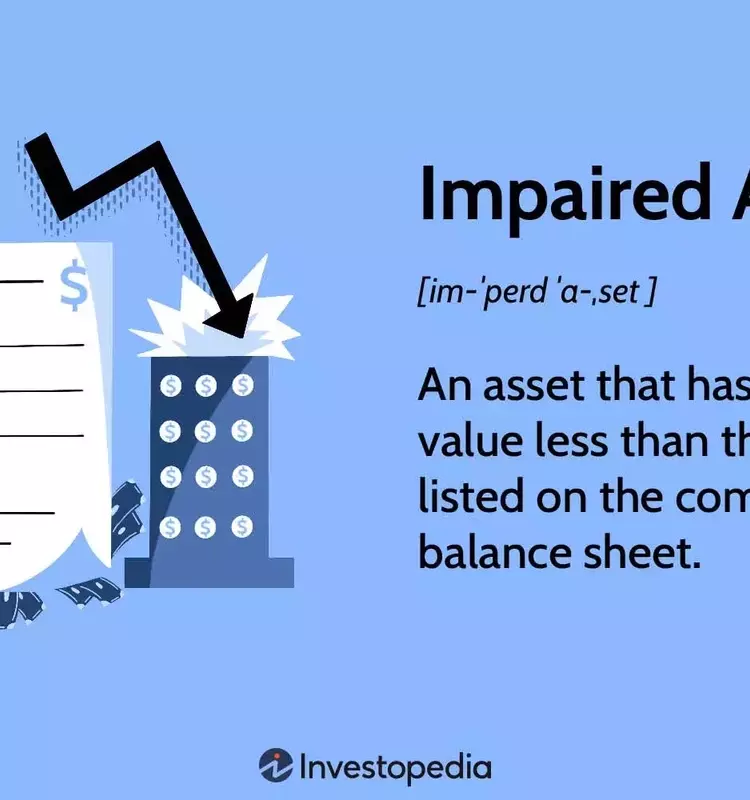
Asset impairment, a crucial aspect of financial reporting, refers to the unexpected reduction in an asset's value below its recorded book value. This phenomenon, distinct from regular depreciation, necessitates immediate adjustments in a company's financial statements to ensure transparency and accurate representation of its economic health. Regular evaluation of assets is paramount, as an overestimation of value can misguide stakeholders and lead to flawed strategic decisions.
Understanding the mechanisms and implications of asset impairment is vital for investors, analysts, and corporate management. It highlights the dynamic nature of asset values, influenced by a myriad of internal and external factors. The recognition and proper accounting treatment of impaired assets under different global standards, such as GAAP and IFRS, underscore the complexity and importance of this financial concept in maintaining robust and reliable financial disclosures.
The Nature of Asset Value Decline and Its Causes
Asset impairment describes a situation where an asset's worth unexpectedly drops below its book value. Unlike standard depreciation, which is a predictable, systematic allocation of an asset's cost over its useful life, impairment signifies a sudden and significant loss of utility or market value. This unforeseen decline can affect both physical assets like machinery and buildings, as well as intangible assets such as patents or brand goodwill. Companies are mandated to regularly scrutinize their assets to accurately portray their financial standing, preventing misrepresentation that could adversely affect investor confidence and strategic planning.
The triggers for asset impairment are diverse, ranging from shifts in market dynamics, where a decline in demand or changes in consumer preferences can diminish an asset's value, to rapid technological advancements rendering older equipment obsolete. Furthermore, unforeseen physical damage, such as that caused by natural disasters or accidents, can drastically reduce an asset's usability and value. Changes in government regulations, particularly those related to environmental protection or industry standards, can also force companies to decommission or devalue assets that no longer comply. Each of these scenarios can lead to a substantial and sudden decrease in an asset's economic benefit, requiring immediate financial adjustment.
Accounting for Impaired Assets: Standards and Differentiation
To accurately identify and account for an impaired asset, a company must determine its recoverable amount. This involves comparing the asset's current book value to the higher of its fair market value (what it could be sold for) or its value in use (the present value of expected future cash flows from its continued use). If the book value exceeds this recoverable amount, the asset is considered impaired, and an impairment loss must be recognized. This loss is recorded on the income statement, directly impacting the company's net income, and the asset's value on the balance sheet is adjusted downwards.
The process of accounting for impaired assets varies slightly between the two predominant global accounting frameworks: Generally Accepted Accounting Principles (GAAP), primarily used in the United States, and International Financial Reporting Standards (IFRS), adopted by many other countries. GAAP often employs a two-step process, first testing for impairment by comparing book value to undiscounted future cash flows, and then calculating the loss based on fair value. IFRS, conversely, typically uses a single-step approach where the recoverable amount is directly compared to the carrying value. Despite these procedural differences, both standards aim to ensure that financial statements present a true and fair view of a company's assets, highlighting the critical distinction between planned depreciation and unexpected impairment losses for stakeholders.
