Independent contracting has become a defining characteristic of the modern workforce, offering a unique blend of autonomy and responsibility. This work model allows individuals to offer specialized services to various clients on a contractual basis, distinct from traditional employment. This article delves into the intricacies of being an independent contractor, exploring the advantages and disadvantages, tax obligations, and the growing landscape of the gig economy that increasingly relies on such a workforce.
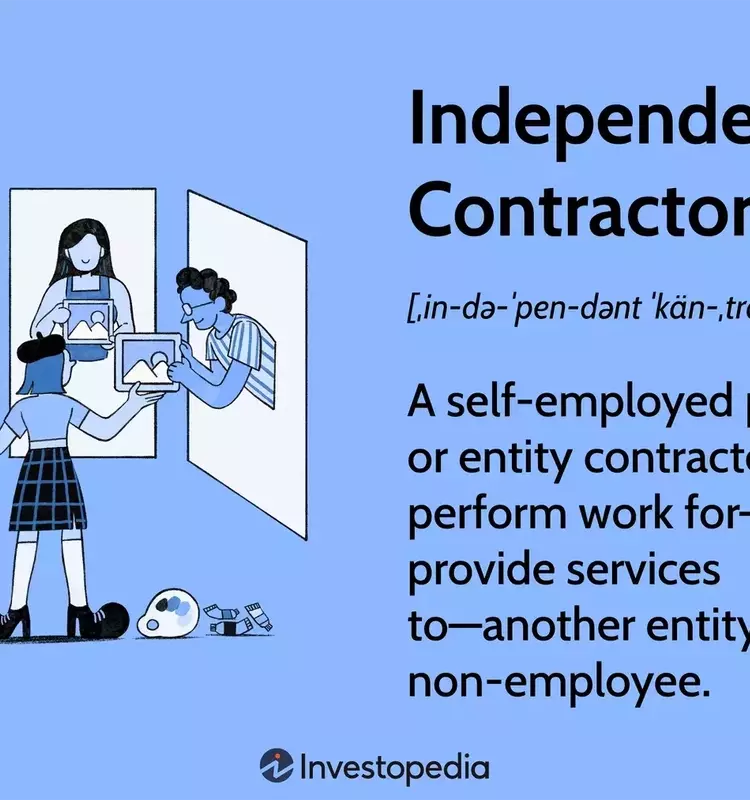
An independent contractor is essentially a self-employed individual who provides services to businesses or clients without being considered a direct employee. This distinction carries significant implications for both parties, particularly regarding legal and financial responsibilities. Unlike salaried employees, independent contractors are not typically entitled to employee benefits such as health insurance, paid time off, or retirement plans provided by the hiring entity. Instead, they operate their own businesses, managing their schedules, workloads, and client relationships.
The rise of the gig economy has dramatically amplified the role of independent contractors. This economic model emphasizes temporary, flexible jobs, often connecting freelancers with clients through digital platforms. Professionals from diverse fields, including doctors, lawyers, writers, software developers, and artists, are increasingly embracing independent contracting to leverage their skills in a more flexible environment. The Internal Revenue Service (IRS) defines an independent contractor based on the payer's right to control the work's outcome rather than the methods used to achieve it. This grants contractors considerable autonomy over their work processes.
One of the primary responsibilities for independent contractors revolves around tax compliance. As self-employed individuals, they are accountable for their own Social Security and Medicare taxes, typically making quarterly estimated tax payments to the IRS. However, they also have the advantage of deducting business-related expenses from their gross income, which can significantly reduce their taxable income and overall tax liability. This includes expenses related to home offices, equipment, and professional development. Additionally, independent contractors have access to specialized retirement plans like SEP IRAs, SIMPLE IRAs, and solo 401(k)s, though they bear the full responsibility for funding these.
The allure of independent contracting lies in its substantial benefits. Contractors enjoy unparalleled flexibility, setting their own hours and choosing projects that align with their interests and expertise. This autonomy allows for a better work-life balance and the potential for unlimited earning capacity, free from the constraints of a fixed annual salary. Working from home can also lead to savings on commuting and professional attire, while home office deductions further enhance financial benefits. The satisfaction of building and managing one's own successful business is another significant draw.
However, the independent contractor path is not without its challenges. The absence of a steady salary means income can be unpredictable and volatile, creating financial insecurity. This variability can also complicate securing loans for major purchases like mortgages or cars. Contractors are responsible for all business expenses, with no reimbursement from clients. They also miss out on the camaraderie and support typically found in a traditional office environment. Crucially, independent contractors must secure their own health insurance and bear the full burden of self-employment taxes, which include both the employee and employer portions of Social Security and Medicare. Unlike employees, they are not eligible for unemployment insurance or workers' compensation benefits.
The decision to become an independent contractor involves weighing the desire for freedom against the willingness to undertake significant financial and administrative risks. Success in this model requires diligent financial planning, precise record-keeping, and a thorough understanding of tax obligations. Despite the demands, the prospect of professional independence and the potential for substantial earnings continue to make independent contracting a compelling career choice for many. It is a path that rewards self-reliance and entrepreneurial spirit, offering a dynamic and often fulfilling professional journey.
