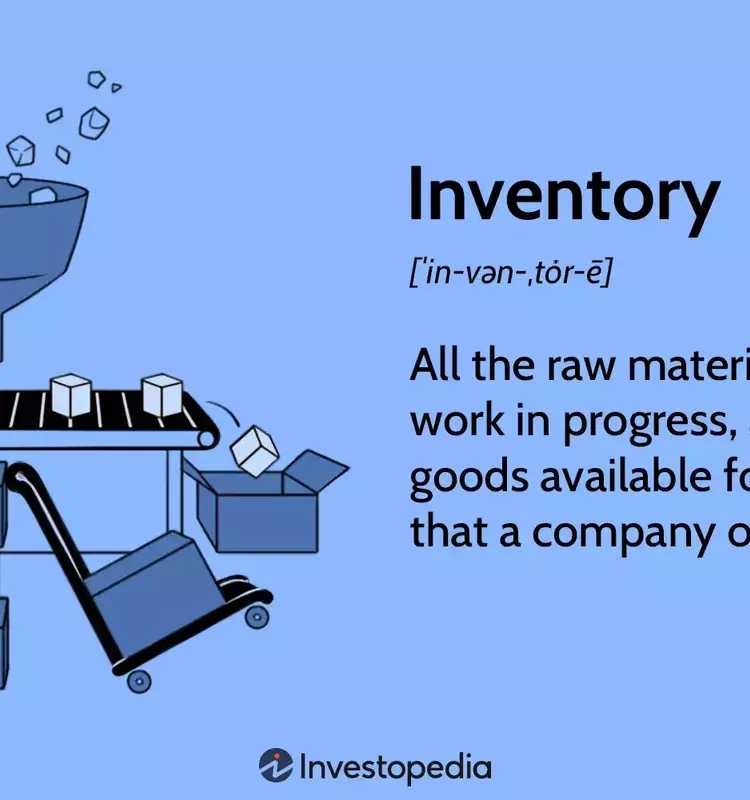
Inventory represents a fundamental asset for any commercial entity, encompassing raw materials, items undergoing production, and finished products ready for market. Its efficient handling is paramount for revenue generation and profitability, directly influencing a company's ability to satisfy customer demand while optimizing capital deployment. This comprehensive overview delves into the various facets of inventory, from its core definitions and classification to advanced management techniques and financial implications.
Inventory, a cornerstone of business operations, comprises goods in various stages: raw materials for manufacturing, partially completed items (work-in-progress), and final products awaiting sale. Recognized as a current asset on a company's financial statements, it acts as a crucial link between production cycles and order fulfillment. The financial valuation of inventory often relies on methods like First-In, First-Out (FIFO), Last-In, First-Out (LIFO), or the weighted average method, each having distinct impacts on financial reporting and tax calculations.
For example, FIFO assumes that the first items purchased are the first ones sold, aligning with the natural flow of perishable goods or products with limited shelf lives. Conversely, LIFO posits that the most recently acquired items are sold first, a method that can influence reported profits and tax liabilities, particularly in periods of inflation. The weighted average method provides a middle ground, calculating the average cost of all available inventory to determine the cost of goods sold and the value of remaining stock.
Effective inventory control is essential for minimizing holding costs and mitigating risks such as obsolescence or damage. Strategies like the Just-In-Time (JIT) system enable businesses to procure or produce goods only as demand arises, thereby reducing storage expenses and wastage. Such proactive management not only streamlines operations but also enhances responsiveness to market shifts. Zara, a prominent fast-fashion retailer, exemplifies this by rapidly transitioning designs from conception to retail, which allows it to minimize surplus stock and remain aligned with current consumer trends.
A key indicator of a company's operational efficiency is its inventory turnover ratio, which quantifies how frequently inventory is sold and replenished over a specific period. A high turnover typically signals robust sales and proficient management, whereas a low turnover might suggest overstocking or weak demand, potentially harming profitability. This metric, calculated by dividing the cost of goods sold by the average inventory value, provides valuable insights for management, analysts, and investors into sales effectiveness and resource allocation.
Strategic partnerships, such as consignment agreements, further highlight innovative inventory management. In this model, a supplier retains ownership of goods held by a retailer, with payment occurring only after the final sale to a customer. This arrangement benefits both parties: suppliers gain broader market access without upfront investment from retailers, while retailers avoid tying up capital until sales are secured.
Ultimately, a sophisticated understanding and application of inventory principles empower businesses to make informed decisions, optimize operational workflows, and enhance their financial standing. By meticulously managing these assets, companies can boost revenue, increase shareholder value, and maintain a competitive edge in dynamic markets.
