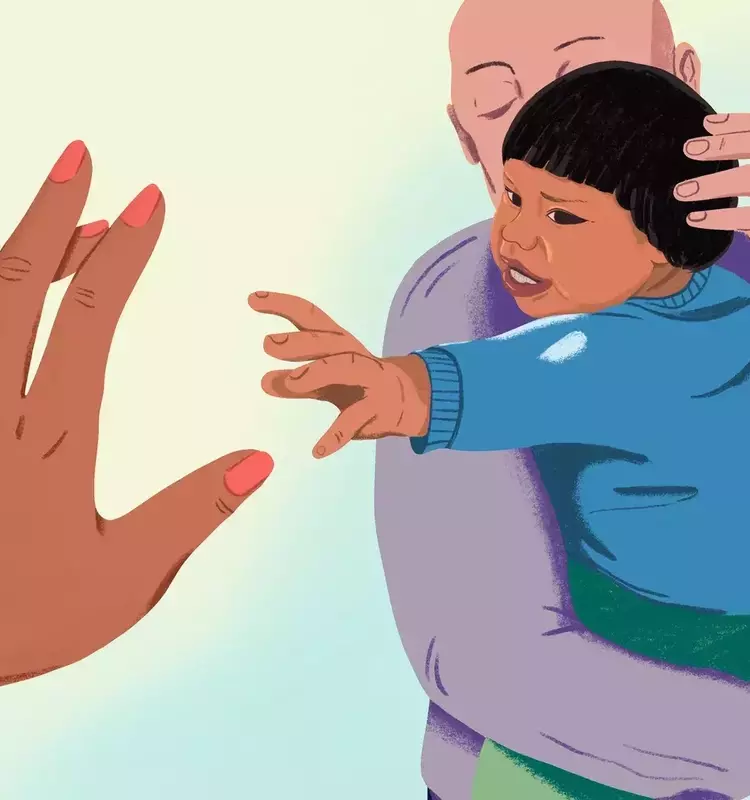
When toddlers exhibit intense distress during goodbyes, it's often a manifestation of separation anxiety, a natural phase in their growth. As young children develop the ability to move independently, they also begin to understand their individuality, yet they're not fully prepared for complete separation from their primary caregivers.
Navigating Toddler Separation Anxiety: Insights and Strategies
Separation anxiety in toddlers is a common and normal part of their developmental journey, often characterized by strong emotional reactions when they are parted from their primary caregivers. This phenomenon can emerge as early as six months of age but typically peaks between eight and eighteen months. Dr. Fran Walfish, a psychotherapist and author, explains that as toddlers gain physical independence, their emotional need for the security provided by their caregivers intensifies, making separation challenging for both the child and the parent.
This developmental phase aligns with a child's grasp of object permanence, where they understand that people and objects continue to exist even when out of sight. However, toddlers lack a sophisticated understanding of time, making even brief separations feel lengthy and daunting. Therefore, simply stating that a parent will return "soon" might not alleviate their apprehension.
The signs of separation anxiety are varied and can include clinging behavior, temper tantrums, resisting attempts by others to engage them, and showing fear when a caregiver moves to another room, drops them off at daycare, or leaves them alone at bedtime. Interestingly, these outbursts often diminish once the caregiver is out of sight, acting as a natural mechanism to keep the child close to their source of comfort and safety.
Dr. Miranda Goodman-Wilson, a content editor at the American Institutes for Research, notes an intriguing aspect of separation anxiety: it can paradoxically signal a child's growing autonomy. She suggests that children are expressing their strong preference for their parents' presence and attempting to exert control over the situation.
Several common scenarios can trigger this anxiety. Goodbyes are particularly potent, as toddlers need consistent reassurance that their caregivers will always return. Large social gatherings can also be overwhelming, as children may fear getting lost in a crowd. Bedtime and naptime represent significant periods of alone time, often intensifying feelings of separation.
Parents can implement various strategies to support their toddlers through this phase. Keeping goodbyes brief and predictable establishes a consistent routine, signaling that time apart is temporary. Avoid sneaking away, as this can foster distrust and increase clinginess. Instead, offer a quick hug and a reassuring phrase like, 'I'll be back after work. I love you.' Preparing an engaging activity with a trusted caregiver can distract the child during transitions. Validating their feelings, such as saying, 'I know you'll have fun, but it's okay to miss me,' helps children process their emotions. At social events, staying close until the child initiates interaction, and being prepared to offer comfort if they become overwhelmed, can prevent further distress. Establishing a calming bedtime routine with familiar stories or soothing sounds, and allowing children to play independently after naps, fosters self-reliance. Providing a meaningful item, like a special toy, can offer comfort when a child feels anxious. Additionally, engaging with developmentally appropriate media, such as certain TV shows or picture books like 'The Kissing Hand,' can help children understand and cope with separation feelings.
Separation anxiety typically lessens with age, but it can resurface during periods of stress, illness, or changes in routine. While usually a normal part of development, persistent or extreme symptoms—such as recurrent excessive distress, refusal to leave home, nightmares about separation, or physical symptoms—might indicate separation anxiety disorder. In such cases, especially if there's a family history of anxiety, consulting a healthcare provider is recommended to ensure appropriate support and intervention.
The journey through toddlerhood is a blend of delightful discoveries and challenging emotional milestones. Separation anxiety, while taxing for parents and children alike, is a testament to the strong bonds being formed and a crucial step towards a child's growing independence. By understanding its roots, recognizing its signs, and applying thoughtful, consistent strategies, parents can help their little ones navigate this phase with greater ease and build a foundation of secure attachment that will serve them well into the future. Patience, empathy, and a predictable routine are the cornerstones of supporting a toddler through this often tearful, but ultimately transient, developmental stage.
