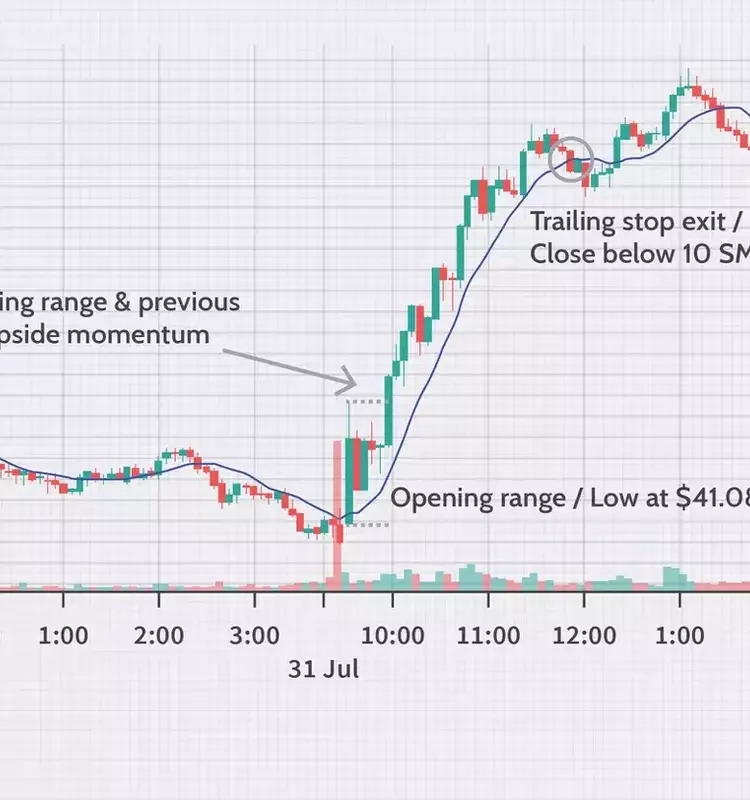
The initial price range of a security after the market opens is a critical indicator for market participants. Defined by the highest and lowest prices within the first 15 minutes of trading, this 'opening range' provides valuable insights into prevailing market sentiment and emerging intraday trends. Its significance is heightened during periods following major news or corporate announcements, as these events often introduce considerable volatility, leading to rapid price movements or abrupt reversals.
Traders often integrate the opening range with various technical analysis tools to enhance their market understanding. For instance, combining the opening range with Bollinger Bands can help in identifying potential price breakouts or mean reversion opportunities. A breakout above the opening range typically signals upward momentum, suggesting favorable conditions for long positions. Conversely, a drop below this range could indicate downward pressure. Effective risk management is crucial, often involving stop-loss orders positioned below key levels, with profit targets set at predefined multiples of the risk or through the use of trailing stops to capture extended gains.
Mastering the opening range allows traders to refine their strategies and make informed decisions in a dynamic market environment. By carefully analyzing initial price action and integrating it with broader technical analysis, traders can better navigate market complexities, manage risks, and capitalize on opportunities presented during the early trading hours.
