Unlocking the Invisible: The Power and Peril of RFID
The Core Concept: What is RFID?
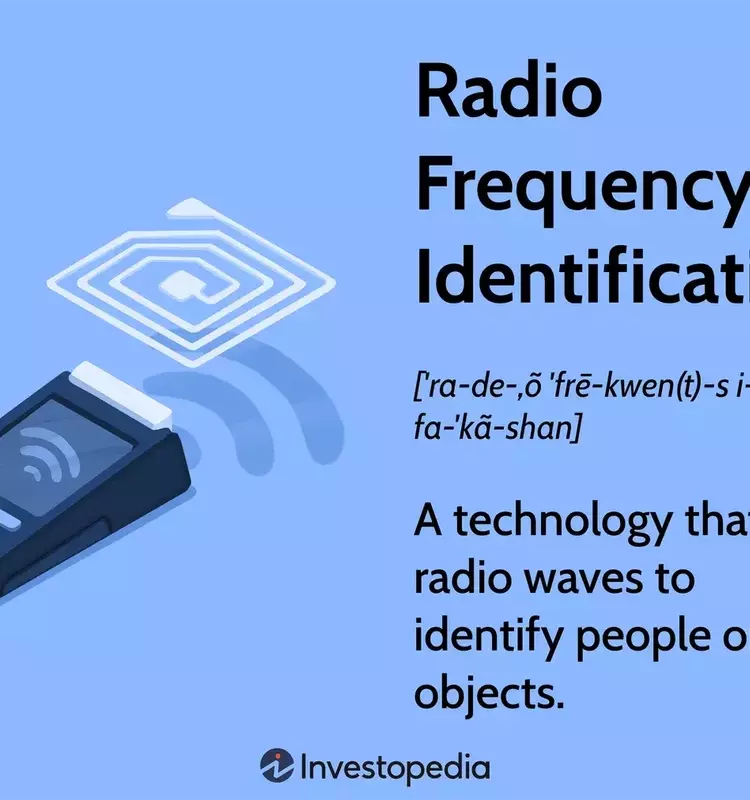
Radio Frequency Identification (RFID) is an advanced technology that uses radio waves to automatically identify and monitor items. This system relies on tags that store electronic data and readers that interpret these radio signals. Originally developed for commercial purposes in the 1970s, RFID has become increasingly prevalent, largely due to breakthroughs in microchip and antenna design, making it both more affordable and accessible.
How RFID Systems Function
At its heart, RFID technology operates through a microchip, an embedded antenna, and a scanning device. Despite its commercial origins decades ago, RFID's recent accessibility stems from continuous improvements in data reading and storage capabilities, leading to lower costs. The system typically involves a small electronic device, often a microchip, which stores critical information. These chips can be incredibly tiny, even as small as a grain of rice, yet they can hold substantial amounts of data. While some are passively powered by the reader, others may include an internal power source or battery. Scanners can also supply the necessary power to activate and read these microchips. The versatility of RFID technology allows for its application in diverse areas, including tracking merchandise, monitoring animals, and managing currency.
The Dual Nature: RFID's Benefits and Security Challenges
A significant advantage of RFID is its ability to identify objects without direct line of sight, unlike traditional barcodes. However, this convenience also introduces privacy and security concerns. The technology is often viewed controversially because of the potential for unauthorized individuals to access the information stored on microchips. There are worries that personal data could become vulnerable, especially since RFID signals can be transmitted over greater distances than those of standard barcodes, meaning information can be accessed without needing physical proximity to the microchip.
Real-World Impact: RFID in Pet Microchipping and Beyond
One of the most common and beneficial applications of RFID technology is in pet microchipping. Veterinarians implant these microchips, which contain essential details about the pet, such as its name, medical history, and owner's contact information. If a lost pet is found and brought to a shelter, staff can scan it for a microchip, enabling them to quickly reunite the pet with its owners through a phone call or internet search. Pet microchips are often considered more reliable than traditional collars, which can be lost or removed. With the growing accessibility of RFID technology, most veterinary clinics and animal shelters are now equipped to read these microchips. The development of universal scanners and national databases for owner information is further streamlining the process, making it easier to return lost pets to their families. A drawback, however, is the necessity of regular updates to records, as the reliability of the information depends entirely on the accuracy of the data input by the person registering the microchip.
Concluding Thoughts on RFID Technology
Radio Frequency Identification (RFID) is a remarkably versatile technology that uses radio waves for the automated identification and tracking of objects and individuals. Comprising two main components—tags and readers—RFID has profoundly impacted various industries, notably supply chain management and pet identification. Despite its widespread adoption and increasing affordability, legitimate concerns persist regarding the unauthorized access to personal information due to its capacity to transmit data over considerable distances. A comprehensive understanding of RFID's applications, advantages, and potential privacy implications is crucial for users to make informed decisions regarding its implementation.
