Understanding Relative Strength in Investment Strategy
Finance

Understanding Relative Strength in Investment Strategy

authorBy David Rubenstein
DateMay 16, 2026
Read time2 min

In the realm of investment, 'relative strength' describes a strategy within momentum investing where investors pinpoint securities that are outperforming the overall market or a designated benchmark. This method allows investors to focus on assets, such as stocks or market sectors, that exhibit robust upward momentum by evaluating their performance against major indices like the S&P 500 or Nasdaq Composite. This principle is universally applicable across various markets and asset classes, enabling investors to gravitate towards those most likely to sustain their superior performance.

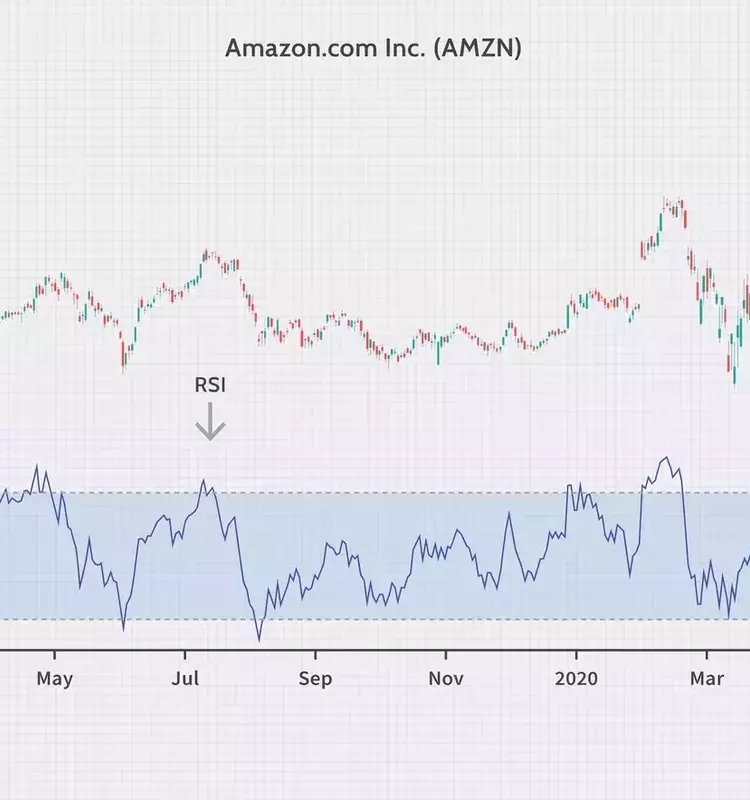
While relative strength strategies offer the potential for significant returns by leveraging market trends, they also come with inherent risks, particularly if market momentum undergoes abrupt shifts. To mitigate these risks and refine their approach, technical analysts frequently employ the Relative Strength Index (RRSI). This indicator helps in identifying when an asset is either 'overbought' or 'oversold,' thereby assisting investors in pinpointing opportune moments for initiating or exiting trades. Such careful analysis is crucial, as the effectiveness of relative strength investing hinges on the persistence of existing market trends. Periods of market instability, like the 2007–2008 financial crisis, illustrate the potential hazards, where rapid reversals in investor sentiment can quickly undermine even the most promising trends, transforming once-favored assets into liabilities.

The core philosophy of relative strength investing is to 'buy high and sell higher,' a contrast to the 'buy low and sell high' mantra of value investing. This strategy is most effective during stable market conditions where trends are likely to continue without significant disruption. Beyond individual stocks, relative strength principles can be applied to broader markets or specific industries through instruments such as index funds and exchange-traded funds (ETFs). It can also extend to other asset classes like real estate via real estate investment trusts (REITs), and even to more complex financial products like commodity futures, options, and derivatives. Harry's investment decisions exemplify this, as he continually adjusts his portfolio allocation between an S&P 500 index fund and a corporate bond ETF, based on whichever is currently outperforming. His goal is to capitalize on sustained outperformance, demonstrating the dynamic nature of this investment approach.

Embracing adaptability and diligent analysis in your investment journey is paramount. By understanding and applying strategies like relative strength, you not only navigate the complexities of financial markets more effectively but also cultivate a mindset of proactive engagement and informed decision-making. This approach empowers you to respond strategically to market dynamics, fostering resilience and potential for growth in your financial endeavors.

More Articles
Finance
Mission, Texas: An Ideal Retirement Destination
Mission, Texas, located in the Rio Grande Valley, offers retirees a welcoming and affordable lifestyle. With its warm climate, diverse cultural influences, and abundant outdoor activities, it provides an attractive option for those seeking a relaxed and engaging retirement experience away from the hustle and bustle of larger cities. The city's low cost of living, particularly for housing, combined with the absence of state income tax, further enhances its appeal to individuals planning for their golden years.
By Strive MasiyiwaMay 16, 2026
Finance
NEOS Nasdaq-100 High Income ETF (QQQI): A Closer Look at a Popular Tech ETF
The NEOS Nasdaq-100 High Income ETF (QQQI) has rapidly gained traction among investors due to its impressive 13.3% yield and exposure to mega-cap technology companies. However, beneath its appealing facade, QQQI harbors several fundamental flaws that often go unnoticed by many. This analysis aims to shed light on these shortcomings, providing a comprehensive understanding of why this ETF might not be the optimal investment choice.
By Mariana MazzucatoMay 16, 2026
Finance
Understanding Ba3/BB- Bond Ratings: High Yields and Increased Risk
Ba3/BB- bond ratings signify speculative, non-investment grade debt with elevated risk. Assigned by Moody's (Ba3) and S&P/Fitch (BB-), these bonds offer higher yields to compensate investors for the increased default potential. Investors must understand that economic shifts and company performance can alter these ratings, impacting the bond's stability.
By Strive MasiyiwaMay 16, 2026
Finance
Stock Certificates: A Glimpse into the Past of Company Ownership
Stock certificates were once physical documents signifying ownership in a company, detailing shares, purchase date, and other relevant information. While modern ownership records are now digital, these historical artifacts hold significant value for collectors due to their intricate designs and rich history. The first stock certificate was issued in 1606 by the Dutch East India Company. Today, most securities are recorded electronically, offering greater security and efficiency, though old certificates tied to active companies can still be valid.
By Morgan HouselMay 16, 2026
Finance
JPMorgan's Preferred Shares Offer Attractive Yield and Strong Safeguards
JPMorgan reported impressive first-quarter results, with net income surging over 10% year-over-year to $16.15 billion. The company's preferred shares, specifically JPM.PR.M, present an enticing opportunity with a nearly 6% yield. This yield is well-protected by a payout ratio of under 2% and a substantial common equity cushion of $344 billion. These preferred shares are considered an excellent risk-reward investment due to their robust coverage and asset protection.
By Lisa JingMay 16, 2026