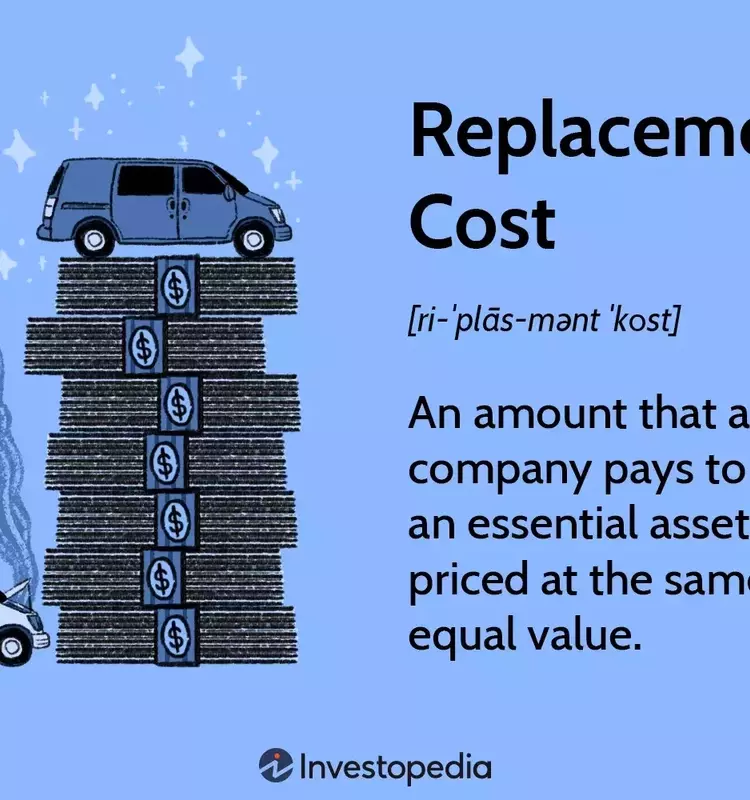
In the realms of business and insurance, the concept of replacement cost is fundamental. It signifies the expenditure necessary to acquire a new asset that matches the functionality and current market value of an existing one. This valuation is dynamic, influenced by prevailing market conditions, the cost of raw materials, and other expenditures required to render the asset operational. Companies strategically employ replacement cost in their financial planning and asset acquisition decisions, while insurers utilize it to establish appropriate coverage for policyholders.
The Essence of Replacement Cost and Its Financial Implications
Replacement cost, often interchanged with "replacement value," quantifies the present market expenditure for substituting an operational asset, be it machinery, a vehicle, or any other piece of equipment. This figure is not static; it is subject to changes based on the market dynamics of components needed for reconstruction or repurchase, as well as the ancillary costs involved in making the asset ready for use. Insurance entities commonly apply replacement valuation to ascertain the worth of an insured item, ensuring adequate coverage. When contemplating a substantial asset acquisition, businesses meticulously evaluate the net present value (NPV) of anticipated cash flows. This process involves comparing the initial cash outlay with the projected cash inflows derived from the enhanced productivity of the new asset. A positive net present value typically greenlights the purchase, underscoring the strategic importance of replacement cost in capital expenditure decisions. Once an asset is procured, its cost is systematically allocated over its projected useful life through depreciation, which can be calculated using various methods like straight-line or accelerated depreciation, ultimately reaching the same total depreciation expense over the asset's lifespan.
Strategic Considerations and Budgeting for Future Replacements
A crucial aspect of managing assets involves accounting for depreciation when calculating replacement costs. Companies capitalize asset purchases by recording the new asset's cost in an asset account, subsequently depreciating it over its useful life. The total cost encompasses all expenses incurred to prepare the asset for operation, including insurance and setup fees. Depreciation can follow a straight-line method, distributing the cost evenly over the asset's life, or an accelerated method, front-loading depreciation in earlier years. Despite differing timelines, both methods yield the same cumulative depreciation. Given the substantial financial outlay involved in replacing high-value assets, effective business management necessitates the creation of a capital expenditure budget. This budget serves as a roadmap for future asset acquisitions and outlines how the necessary funds will be generated. Such strategic budgeting is imperative for the sustained operation of any enterprise; for instance, manufacturers allocate funds for machine upgrades, while retailers plan for store refurbishments, all based on the principle of replacement cost. Moreover, it's vital to differentiate between replacement cost and actual cash value, especially in insurance contexts. Replacement cost covers the full expense of restoring damaged property to its original condition without factoring in depreciation, whereas actual cash value accounts for depreciation, leading to a potentially lower payout for older or devalued assets.
