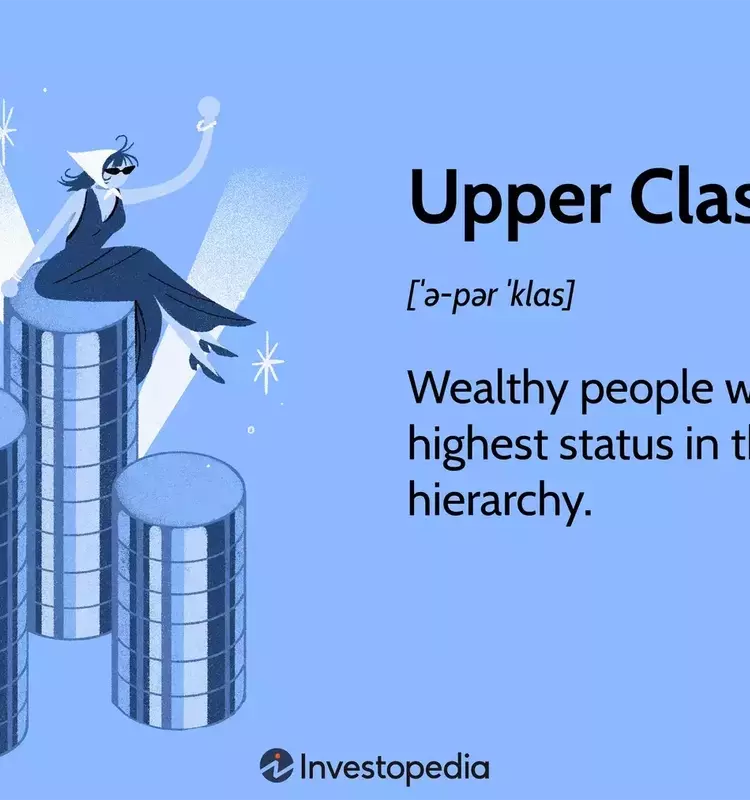
The upper echelons of society, known as the upper class, hold a dominant position due to their substantial wealth and profound influence. Despite constituting a modest portion of the populace, this group historically derived its power from inherited land and aristocratic lineage. In contemporary society, this definition has broadened to include successful professionals, investors, politicians, and celebrities who command considerable financial resources and societal prestige. This concentration of wealth within a select group invariably results in significant disparities in income and power, shaping the broader socioeconomic landscape.
Conversely, the middle and working classes, though possessing fewer financial assets and less political leverage, are the engines of economic activity. Their collective labor and consumption patterns are fundamental to a nation's economic health and development. In burgeoning economies, the emergence of a robust middle class often signifies improved infrastructure and job opportunities, fostering widespread economic growth. Recognizing these intricate class dynamics is essential for analyzing wealth distribution, social mobility, and the overall functioning of an economic system.
The Elite: Defining Affluence and Influence in Society
The term "upper class" refers to the highest socioeconomic stratum, distinguished by significant wealth, status, and power. Historically, this group was characterized by inherited land and aristocratic titles, with members living off investments rather than direct labor. Over time, the definition has expanded to include a diverse array of successful individuals, such as prominent entrepreneurs, high-net-worth investors, influential politicians, and celebrated public figures. These individuals often occupy leadership roles and are regarded as having superior standing within society. Their wealth not only affords them a luxurious lifestyle but also translates into substantial political, economic, and financial influence, enabling them to shape societal norms and policies.
This societal segment, while numerically small, controls a disproportionately large share of national wealth and resources. For instance, a 2018 Pew Research Center study indicated that 19% of American households were classified as upper-class, with a median income significantly higher than other groups. This disparity in wealth distribution highlights the considerable gap between the affluent and the rest of the population. The enduring influence of the upper class often stems from generational wealth and established connections, reinforcing their position at the apex of the social hierarchy. Understanding the composition and impact of this group is vital for comprehending broader societal structures and economic power dynamics.
Socioeconomic Stratification: A Comparative Analysis of Social Classes
The stratification of society into upper, middle, and lower classes is fundamentally driven by differences in income, wealth, and power. The middle class, positioned between the affluent and the working class, typically consists of professionals, civil servants, and skilled workers who often own property and have a comfortable standard of living. This group acts as a crucial bridge within the social structure, contributing significantly to both production and consumption, thereby underpinning economic stability and growth. Their role is particularly vital in developing economies, where the formation and expansion of a middle class often coincide with improved living standards and economic diversification.
At the base of the social hierarchy lies the working or lower class, often engaged in blue-collar or service-oriented jobs that typically demand physical labor and offer lower wages. This group possesses minimal economic or political power compared to the other classes. In developing nations, society is frequently bifurcated into a small elite and a large working class. As economic progress takes hold, improved infrastructure and expanding job markets facilitate the growth of a middle class, which in turn fuels further economic development. Within the middle class, a further distinction arises with the upper-middle class, comprising individuals with higher education and specialized skills, such as doctors and lawyers, who command greater disposable income and societal respect, even if they do not yet possess the vast fortunes of the ultra-rich.
