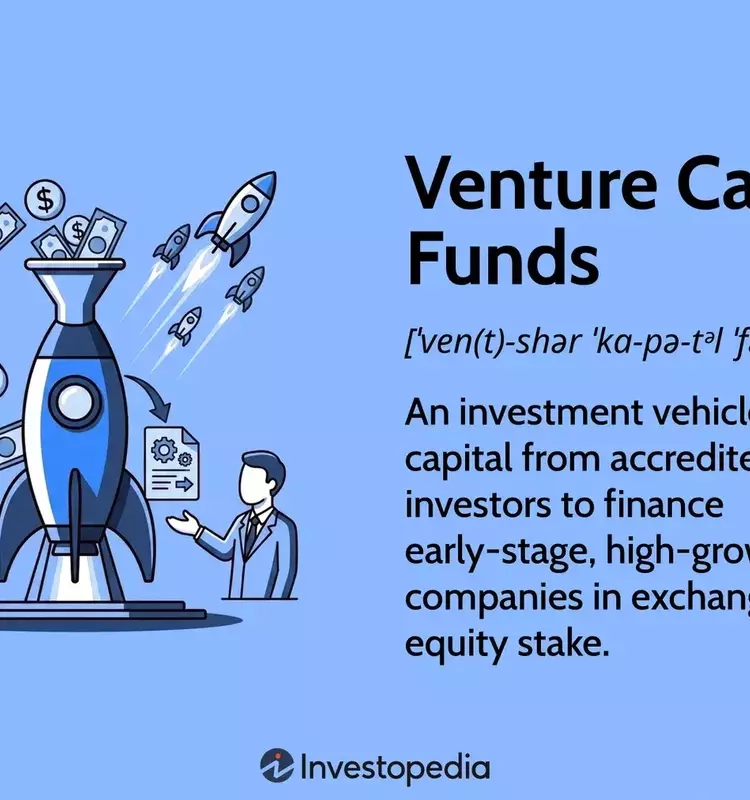
Venture Capital (VC) funds serve as crucial conduits for investment, channeling capital from various investors into burgeoning startups and innovative small to medium-sized enterprises. These funds are designed to identify and support companies with high growth potential, offering a unique blend of financial backing and strategic mentorship. The ultimate aim is to achieve substantial financial returns for their investors, often realized through major liquidity events such as Initial Public Offerings (IPOs) or strategic acquisitions.
Operating as specialized private equity investment vehicles, VC funds primarily focus on early-stage companies that may not yet be profitable or even revenue-generating. This involves a "barbell" investment strategy, where numerous small investments are made across a diverse portfolio of young ventures, with the expectation that a few will deliver outsized returns, compensating for others that may not succeed. Unlike traditional mutual or hedge funds, venture capitalists take a proactive and hands-on approach, frequently securing board seats and providing operational and strategic guidance to their portfolio companies. This active involvement helps mitigate the inherent risks associated with early-stage investments and adds significant value beyond mere capital injection.
The operational framework of a VC fund involves several key stages. First, funds raise capital from sophisticated investors, typically accredited individuals or institutions seeking exposure to alternative investments. A prospectus outlines the fund's strategy and objectives, leading to investor commitments. Once capital is secured, fund managers meticulously evaluate numerous business plans to identify companies aligning with their investment mandates and high-growth potential. After an investment, the fund charges annual management fees, commonly around 2% of assets under management (AUM), to cover operational costs and salaries. Returns for investors are generated when portfolio companies achieve successful exits, such as IPOs or acquisitions. A prevalent fee structure, known as "two and twenty," dictates a 2% management fee and a 20% share of profits exceeding a predefined benchmark. Venture capital funds typically target a gross internal rate of return of approximately 30%, reflecting the high-risk, high-reward nature of these investments. The industry has seen substantial growth, with increasing capital inflows into American startups, underscoring continued confidence in their innovative potential.
Venture Capital (VC) funds play an indispensable role in fostering innovation and economic growth by financing the next generation of groundbreaking companies. Their unique model of combining capital with active strategic support empowers startups to navigate the challenging early stages of development and scale their operations. While the inherent risks and long investment horizons necessitate careful consideration, the potential for significant returns continues to attract substantial investment, driving forward technological advancements and market disruptions. This dynamic ecosystem ensures that visionary entrepreneurs have the resources needed to transform innovative ideas into successful enterprises, ultimately benefiting the broader economy and society.
