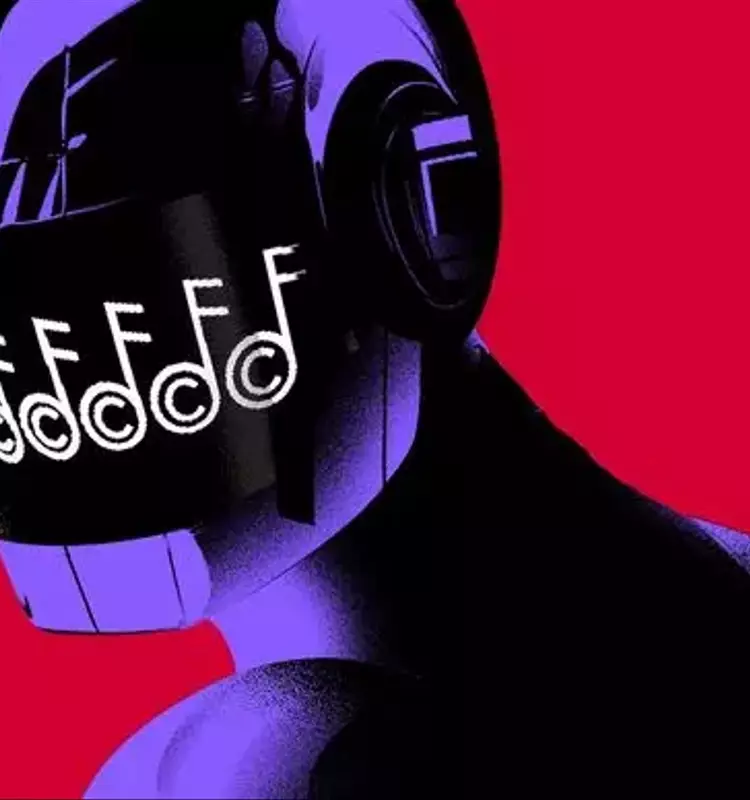
In a significant development for the music industry, Warner Music Group has reached a licensing agreement with the artificial intelligence music creation platform, Suno. This accord brings an end to the copyright infringement lawsuit previously initiated by Warner against Suno. The core of this new partnership centers on developing a compensated system where artists and lyricists can choose to participate in AI-generated content, ensuring they receive remuneration and retain full authority over the utilization of their music, likeness, and intellectual property. Furthermore, Suno has acquired Songkick, a concert listing service, from Warner as an integral part of this arrangement.
This collaboration also signifies a strategic move to manage the influx of AI-generated music into streaming ecosystems. Reports indicate that the more permissive versions of Suno's generative models will be phased out. The long-term vision involves the introduction of advanced, licensed AI models, although achieving fully licensed models across the entire industry would necessitate extensive cooperation among all stakeholders. This pioneering agreement comes amidst ongoing legal proceedings from other major labels, Universal Music Group and Sony Music Entertainment, against Suno and similar AI entities like Udio, alleging the unauthorized use of their artists' works for AI training, which they claim could devalue original creations.
The music industry is actively navigating the complexities introduced by AI. While Warner's resolution with Suno marks a step towards integration, other legal battles continue. Universal Music Group, for instance, previously settled its dispute with Udio, placing limitations on that platform's scope. Additionally, Klay recently became the first AI music startup to secure licensing deals with all three major labels, demonstrating a growing trend of major record companies establishing frameworks for collaboration with AI music developers, aiming to balance innovation with artist rights and compensation.
This evolving landscape between the music industry and artificial intelligence highlights a crucial period of adaptation and innovation. As technology advances, it presents both challenges and unprecedented opportunities for creators and industry players. By forging structured partnerships and developing clear frameworks for compensation and control, the industry can ensure that technological progress serves to empower artists and enrich the creative ecosystem, rather than undermine it. This proactive approach paves the way for a future where art and technology can harmoniously coexist and flourish, fostering new forms of creativity while upholding the value of human artistic endeavors.