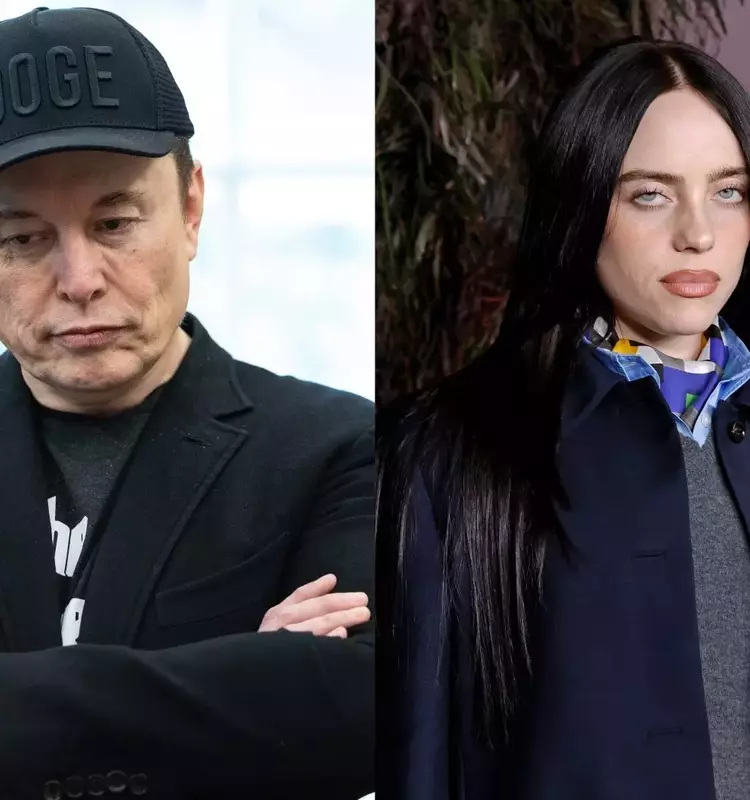
In a recent public exchange, tech mogul Elon Musk offered a dismissive retort to pop superstar Billie Eilish's strong condemnation of wealth concentration. Eilish's outspoken remarks have ignited a broader dialogue about the responsibilities of the ultrarich in times of widespread societal need. This incident highlights the growing tension between celebrity advocacy for social change and the often-unapologetic accumulation of vast personal fortunes.
Musk's response, characterizing Eilish as unintelligent, quickly spread across social media platforms, intensifying the public's focus on the debate. Eilish's initial critique, delivered during an acceptance speech and further elaborated on Instagram, urged billionaires to leverage their immense resources for global good, proposing concrete actions such as funding initiatives for food security and clean water access. This ongoing discourse underscores profound questions about economic inequality and the moral obligations of those with unprecedented wealth.
The Clash of Perspectives: Wealth and Responsibility
The recent interaction between Elon Musk and Billie Eilish has sparked a significant public discussion regarding the accumulation of immense wealth and the ethical obligations that accompany it. Eilish, during her acceptance speech at the WSJ Innovator Awards and subsequently on her Instagram, directly challenged billionaires, including Musk, for their vast fortunes amidst pressing global needs. She passionately advocated for a reallocation of resources to address critical issues such as world hunger and the lack of universal access to clean water. Her pointed remarks and the dissemination of infographics detailing how Musk's wealth could be used for philanthropic endeavors brought the issue to the forefront of public consciousness.
Musk's dismissive reaction, labeling Eilish as "not the sharpest tool in the shed," underscored a stark difference in perspectives on wealth and social responsibility. This exchange occurred as Musk continues to amass considerable wealth, with projections suggesting he could soon achieve trillionaire status. The incident has intensified calls for greater accountability from the world's wealthiest individuals, highlighting the widening gap between the rich and the rest of the population, and prompting questions about the role of the ultra-rich in addressing global humanitarian challenges.
Artistic Advocacy Meets Billionaire Backlash
Billie Eilish's recent comments, where she critically addressed billionaires for their wealth accumulation during global crises, especially targeted Elon Musk. Her platform at the WSJ Innovator Awards became a stage for advocating empathy and aid, emphasizing that those with substantial financial resources should utilize them for positive societal impact. She directly questioned the rationale behind hoarding wealth when people worldwide are in desperate need. Eilish's message resonated widely, particularly as she shared specific infographics on Instagram illustrating how a fraction of Musk's fortune could fund solutions for world hunger and provide clean water globally for several years.
Musk's delayed and terse response, delivered via a tweet, dismissed Eilish's critique with a rather condescending remark about her intelligence. This retort from one of the world's wealthiest individuals to a prominent artist's social commentary quickly became a talking point, drawing further attention to the contentious issue of wealth inequality. The exchange serves as a vivid example of the ongoing public debate surrounding the ethical responsibilities of billionaires and the impact of their financial decisions on broader society, especially when juxtaposed with widespread social and economic challenges.