Unlock Peak Performance: Elevate Your Workforce Through Engagement!
Defining the Core: What Constitutes Employee Engagement?
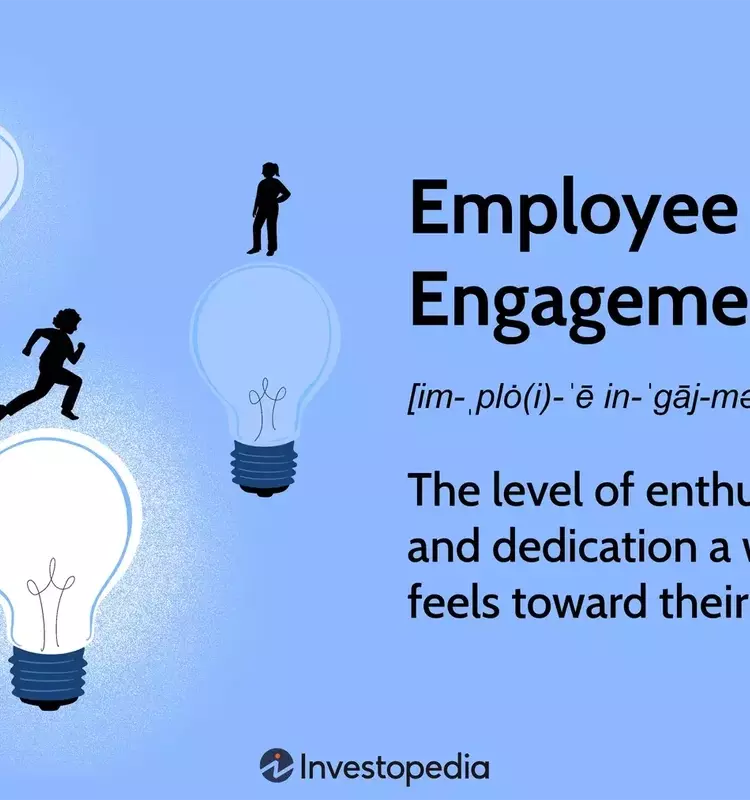
Employee engagement encapsulates the fervor and commitment an individual brings to their professional responsibilities, serving as a powerful catalyst for job contentment and overall corporate achievement. It signifies the deep integration of employees with their company's strategic objectives and core ethos, fostering heightened efficiency and a positive work environment. Implementing strategies like transparent dialogue and acknowledging staff accomplishments, as exemplified by leading innovators such as Tesla, are key to nurturing this vital connection. This synergy empowers individuals to feel a profound sense of purpose and belonging within their professional landscape.
The Indispensable Role of Employee Enthusiasm in Corporate Triumph
The dedication and zest of a company's workforce are pivotal to its prosperity, deeply intertwined with job contentment and team spirit. Open and consistent dialogue is fundamental to nurturing and sustaining this professional commitment. Individuals who are truly invested in their roles tend to exhibit greater efficiency and superior output. Moreover, such employees often demonstrate a profound allegiance to the company's core principles and objectives. This symbiotic relationship between an engaged workforce and organizational goals is a cornerstone of sustained success and innovation.
To cultivate a highly committed team, employers should clearly articulate expectations, offer meaningful incentives, keep staff informed about corporate progress, and provide constructive feedback. Additionally, making concerted efforts to ensure employees feel valued, respected, and that their insights are heard and acted upon is crucial. Engaged professionals perceive their work as significant, appreciate the support from their leadership, and recognize their essential contribution to the company's achievements.
The concept of employee engagement emerged in management circles during the 1990s and gained widespread adoption in the subsequent decade. Despite the inherent difficulties in precise measurement, a strong correlation has been established between employee engagement and a company's financial performance and overall economic stability.
Committed team members often develop a profound emotional bond with their roles and the organization, channeling their efforts directly towards achieving corporate objectives. While the specific definition of employee engagement may vary across companies, the fundamental attributes of an engaged individual typically include a clear understanding and enthusiasm for their responsibilities, unwavering loyalty and productivity, motivation to contribute to and comprehend organizational success, and a deep intellectual and emotional connection to their workplace, driving them to perform at an exceptional level. According to Aon Hewitt, this connection is manifested through three key behaviors: "Say" (speaking positively about the employer), "Stay" (desiring to remain with the organization), and "Strive" (exerting extra effort for success).
Tesla's Pioneering Methods for Elevating Employee Involvement
Tesla, a prominent innovator in the automotive industry, has effectively leveraged transparent communication to cultivate employee participation and significantly enhance safety protocols at its Fremont manufacturing facility. Through proactive measures, including personal involvement from Elon Musk in reviewing all injury reports, the company aims to proactively address and mitigate future workplace hazards. This direct engagement underscores a commitment to prioritizing employee well-being and fostering a culture of safety. This hands-on approach and open dialogue directly contribute to a more secure and engaged workforce.
Elon Musk actively participates in manufacturing processes alongside injured personnel to identify and implement safety enhancements. This initiative to boost employee engagement led to a reduction of over 50% in workplace incidents affecting staff between 2018 and 2019, as detailed in a company publication. This illustrates the tangible benefits of leadership involvement in fostering a safer and more committed work environment.
Concluding Thoughts: The Fundamental Impact of Employee Commitment
Employee commitment is paramount for boosting output, ensuring job satisfaction, and aligning personnel with corporate objectives. By nurturing clear communication, offering motivational rewards, and acknowledging accomplishments, businesses can cultivate a devoted and dynamic workforce. Tesla's experience demonstrates that effective strategies for employee involvement, such as open dialogue and leadership participation, can lead to substantial enhancements in organizational effectiveness and staff safety. To achieve similar positive outcomes, companies should focus on forging strong emotional and rational connections with their workforce, ensuring employees feel valued, comprehended, and integral to the company's ultimate triumph.
