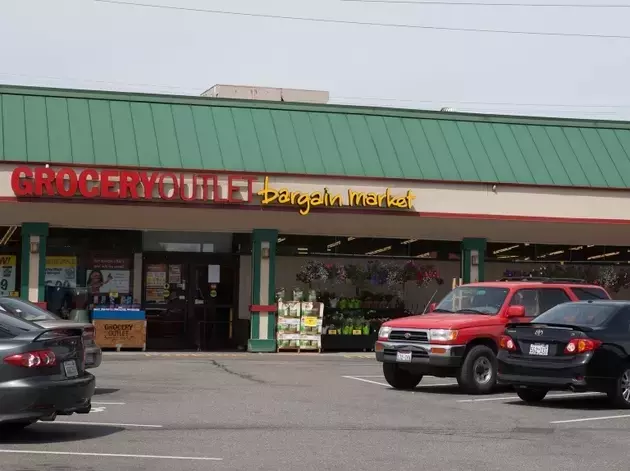
Grocery Outlet's recent financial disclosures for the first fiscal quarter of 2026 present a mixed picture, marked by a decline in same-store sales despite an uptick in customer footfall. The average transaction value has notably decreased, pointing to fundamental operational issues that continue to impact the company's performance. With the stock valued at roughly 11.8 times its EBITDA, its market position isn't particularly compelling when stacked against industry peers, suggesting limited potential for immediate gains. Market watchers are advising a cautious 'Hold' stance, especially for significant stakeholders, given the lack of obvious drivers for a swift recovery. Although there's a possibility of improved performance by fiscal year 2028 should internal operations stabilize, the current financial health does not yet warrant an investment recommendation.
Grocery Outlet's Q1 Performance and Market Valuation
Grocery Outlet's first-quarter fiscal year 2026 earnings report reveals a challenging period for the discount retailer. Despite a 2.1% increase in customer traffic, same-store sales experienced a 1% decline. This discrepancy is largely attributed to a 3.1% reduction in the average ticket size, indicating that while more shoppers are visiting stores, they are spending less on each visit. This trend underscores persistent operational hurdles that the company has yet to overcome, affecting its revenue growth and overall financial health. The market's current valuation of Grocery Outlet at approximately 11.8 times EBITDA is considered relatively high compared to its competitors, suggesting that the stock is not undervalued despite its recent performance. This valuation concern, combined with the lack of clear catalysts for a quick turnaround, tempers enthusiasm for short-term growth.
The company's struggle to translate increased foot traffic into higher sales points to deeper issues within its operational model or pricing strategy. Investors are cautious, recognizing that without significant strategic shifts or improvements in consumer spending habits at its stores, the stock’s upside remains constrained. The 'Hold' recommendation from analysts reflects this cautious outlook, advising current shareholders to maintain their positions rather than increasing exposure. For large holders, a strategy of risk reduction is prudent, given the uncertainty surrounding the company's ability to navigate its current challenges effectively. The present fundamentals do not provide a strong enough basis for a 'Buy' rating, underscoring the need for tangible improvements before the stock becomes a more attractive investment opportunity.
Future Prospects and Strategic Considerations
Looking ahead, Grocery Outlet faces a critical period to address its operational inefficiencies and reignite sales growth. The company's long-term viability and potential for increased shareholder value depend heavily on its ability to stabilize operations and demonstrate a clear path to profitability. The existing optionality, which assumes a turnaround by fiscal year 2028, suggests that there is a window for the company to implement effective strategies. These could include optimizing product assortments, enhancing supply chain management, or refining customer engagement to boost average ticket sizes. Without such initiatives, the current downward trend in sales per customer could continue to erode profit margins and investor confidence. The challenge lies in executing these changes efficiently in a highly competitive retail environment.
For investors, the long-term outlook for Grocery Outlet remains speculative, contingent on management's ability to execute a successful turnaround. While the current valuation does not present a compelling entry point for new investors, those with existing positions are advised to monitor key performance indicators closely. Any signs of operational stabilization, such as an increase in average ticket size or an improvement in same-store sales, would be crucial indicators of progress. Conversely, continued declines would necessitate a reassessment of the 'Hold' rating. The market will be watching for evidence that Grocery Outlet can not only attract more shoppers but also encourage them to spend more, thereby validating the optionality for a recovery in the coming years and justifying a more favorable investment stance.
