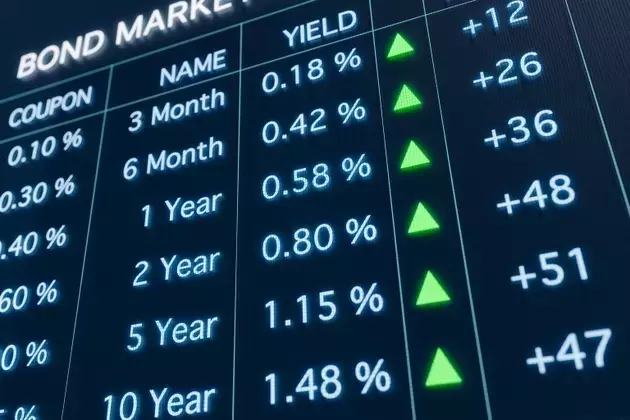
Geopolitical tensions in the Middle East are causing significant shifts in the global financial landscape, particularly within bond markets. Investors are increasingly concerned that the conflict could lead to sustained inflationary pressures, compelling a reevaluation of current monetary policies. This growing apprehension is reflected in key Treasury yields and market-implied inflation forecasts, signaling a potential turning point for central banks and economic stability.
As the bond market adjusts to these evolving risks, the Federal Reserve faces mounting pressure to adapt its wait-and-see approach. The interplay between geopolitical events, investor sentiment, and monetary policy becomes crucial in navigating this period of uncertainty, with potential implications for global economic growth and stability. Understanding these dynamics is essential for policymakers and market participants alike.
Bond Market Reacts to Geopolitical Inflation Risks
The bond market is exhibiting growing apprehension regarding the potential for sustained inflation, primarily driven by the ongoing Middle East conflict. This escalating concern is clearly visible in the behavior of key Treasury yields, which are now climbing to levels reminiscent of past periods of heightened inflation. The market's reaction suggests that investors are increasingly convinced that the inflationary risks associated with the geopolitical situation will not be easily contained or dissipate quickly. This sentiment marks a significant departure from previous expectations, indicating a reevaluation of the stability of global supply chains and energy prices.
The Federal Reserve's current monetary policy, characterized by a cautious wait-and-see stance, is under scrutiny as these market signals intensify. While the Fed has maintained its position, the bond market's actions suggest that it is not waiting for official policy shifts. Instead, it is actively pricing in the possibility of a more challenging inflationary environment, underscoring the urgency for policymakers to consider proactive measures to address these emerging risks and maintain economic stability.
Rising Inflation Expectations and Policy Challenges
In response to the mounting geopolitical tensions, market-implied inflation forecasts are notably on the rise. This upward trend, derived from the spread between nominal Treasury rates and their inflation-indexed counterparts, reflects a growing belief among investors that future inflation will exceed previous expectations. Such a development creates a challenging environment for central banks, particularly the Federal Reserve, which has a dual mandate of maintaining price stability and maximum employment. The widening gap between market expectations and the Fed's target inflation rate highlights the delicate balancing act required to manage these economic forces without stifling growth.
The current scenario presents the Federal Reserve with a critical policy dilemma. A sustained surge in energy prices, exacerbated by an escalating conflict in the Middle East, could force the Fed to reconsider its dovish stance. Despite a current pause in rate hikes, persistent inflationary pressures might necessitate a more aggressive monetary policy response, including signaling or implementing further rate increases. This potential shift would aim to anchor inflation expectations and prevent a more widespread erosion of purchasing power, but it also carries risks of impacting economic recovery and financial market stability.
