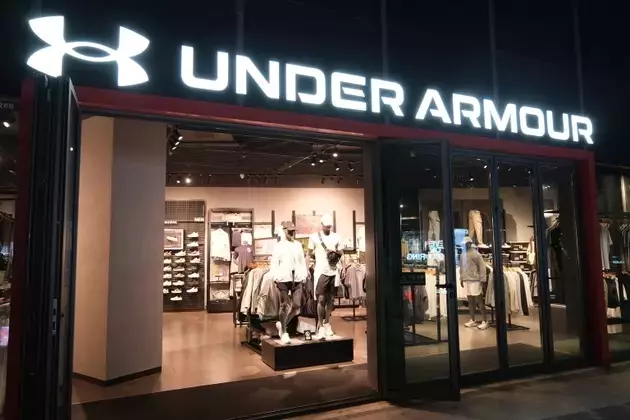
Under Armour continues to grapple with declining revenue and profitability issues, prompting a cautious 'Sell' rating until clear signs of a turnaround emerge. Despite ambitious management targets for profitability by 2027, the company's valuation remains unattractive due to ongoing top-line contractions and broader industry challenges. Strategic restructuring, a focus on premium products, and new launches are intended to boost margins, but revenue is still expected to dip in the near term. A more positive outlook would require concrete evidence of revenue stabilization and successful market adoption of new products.
Strategic Shifts and Market Challenges
Under Armour, a prominent name in athletic apparel, is navigating a difficult period marked by consistent revenue declines and struggles with profitability. This persistent downturn has led to a cautious investment stance, indicating that a significant rebound is not yet evident. The company's valuation appears stretched, especially when considering the continuous reduction in its sales figures and the tough competitive landscape within the athletic wear industry. Despite management's optimistic projections for achieving profitability by 2027, current financial indicators suggest a need for more immediate and impactful changes to shift investor sentiment. The journey to recovery is seen as a long one, requiring more than just promises to convince the market of its potential.
The company has initiated several strategic maneuvers, including extensive restructuring efforts, a push towards premiumization of its product lines, and the introduction of new products designed to capture market interest. These initiatives are primarily aimed at enhancing profit margins and improving the overall financial health of the company. However, these efforts have yet to translate into significant revenue growth, with forecasts still predicting a near-term dip in sales. The emphasis on higher-margin products is a logical step, but its success will largely depend on consumer acceptance and the ability to differentiate in a crowded market. The ongoing challenges highlight the imperative for Under Armour to demonstrate tangible progress in both stabilizing its revenue base and executing its strategic vision effectively.
Requisite for a Positive Reassessment
For Under Armour to warrant a more favorable evaluation, it must first demonstrate concrete evidence of revenue stabilization. The current downward trend in sales is a primary concern for investors, indicating a loss of market share or a decrease in consumer demand. A sustained period of stable or growing revenue would signal that the company's strategic changes are taking hold and that it is regaining its competitive footing. Without this fundamental shift in its top-line performance, any improvements in profitability could be viewed as temporary or insufficient to justify a bullish outlook. The market needs assurance that the company can not only cut costs but also effectively drive sales in a meaningful way.
Beyond revenue stabilization, the successful traction of Under Armour's new products and premium offerings is critical for a neutral or even bullish stance. The company's pivot towards premiumization and innovative product launches aims to create stronger brand value and higher profit margins. However, the true test lies in how these products are received by consumers and their ability to drive sustained sales growth. Investors will be looking for clear indicators, such as strong sales figures for new collections, positive market reception, and an increasing average selling price across its product portfolio. Until these concrete signs of success materialize, the cautious investment rating will likely persist, underscoring the need for the company to convert its strategic plans into measurable market achievements.
