Navigating Vacation Ownership: The Comprehensive Guide to Timeshares
What Defines a Timeshare?
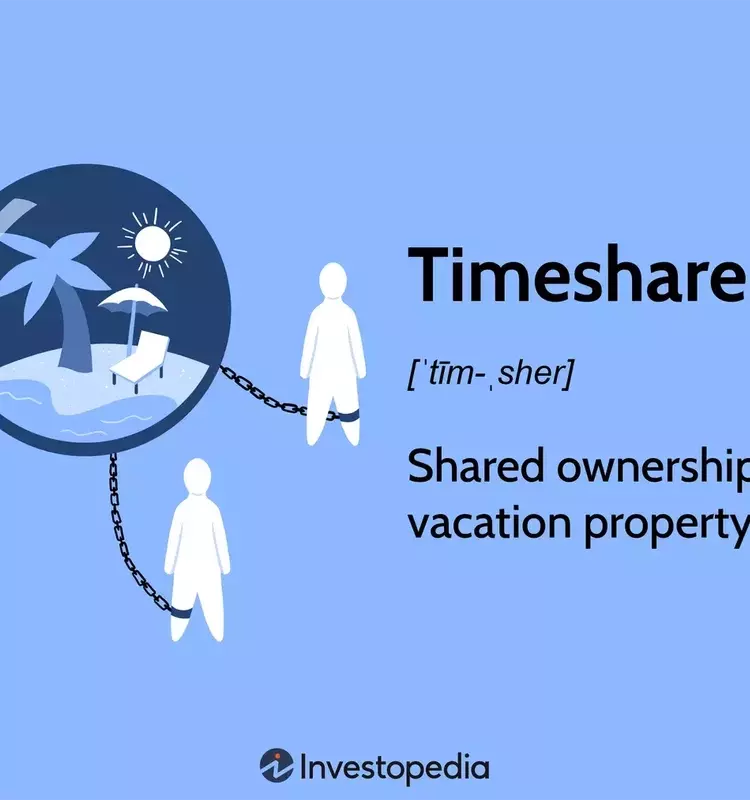
A timeshare represents a property ownership structure where several parties acquire the right to utilize a vacation unit over defined intervals. This shared arrangement is particularly prevalent in desirable holiday destinations, offering the benefit of a recurring vacation spot and access to upscale properties without the full financial burden of sole ownership.
Exploring the Operational Framework of Timeshares
Timeshares involve vacation properties whose usage or ownership is distributed among multiple individuals. These arrangements are popular in tourist areas, allowing owners repeated access to a property without incurring the full costs of sole proprietorship. Owners are typically granted the right to exclusive annual use of a vacation property for a set period, often in weekly increments.
Varieties of Timeshare Use Models
Timeshares generally operate under several models. Fixed-period timeshares grant the owner exclusive use during specific weeks each year, ideal for those who prefer consistent vacation scheduling. Floating-period timeshares offer more flexibility, allowing owners to choose their weeks within a given timeframe, though popular dates may require early booking. The points-based system allocates points to owners, which can be redeemed for stays at various resorts or traded with other properties, offering extensive choices but varying value depending on demand.
Different Structures of Timeshare Ownership
Timeshare ownership is typically categorized into two main forms: shared-deeded and shared-lease.
Shared-Deeded Ownership: A Permanent Stake
Shared-deeded ownership grants a fractional interest in the physical property, directly proportional to the purchased period. For instance, acquiring one week in a resort condominium might translate into a 1/52 ownership share. This form of ownership often lasts indefinitely and can be transferred or bequeathed.
Shared-Lease: Usage Rights Without Deed
In contrast, shared-lease timeshares provide usage rights for a specific property over a set or flexible period for a predetermined number of years, without transferring the deed. The developer retains ownership, which makes property transfers or resales more restrictive and generally lowers the value compared to deeded timeshares.
Timeshares Versus Airbnb: A Modern Comparison
The rise of the sharing economy, exemplified by platforms like Airbnb, has led some to question the relevance of timeshares. However, the timeshare sector has continued to grow, even thriving post-pandemic. Timeshares and Airbnb cater to different preferences: Airbnb offers flexibility and unique experiences, appealing to a younger demographic, but its quality can be inconsistent. Timeshares, on the other hand, provide predictability, comfort, and comprehensive amenities, typically at a higher cost.
Evaluating the Benefits and Drawbacks of Timeshare Ownership
Timeshare ownership presents both advantages and disadvantages.
Unpacking the Advantages of Timeshares
Timeshares are often managed by large corporations in desirable vacation spots, guaranteeing a familiar and consistent vacation experience each year. These properties typically offer resort-level amenities and services, often being larger and better equipped than standard hotel rooms, ensuring a more comfortable stay. They are particularly appealing to individuals who prefer routine vacation settings without the annual burden of planning a new trip.
Understanding the Drawbacks of Timeshares
Timeshares come with substantial ongoing costs, including initial payments and escalating annual fees, which can make them more expensive than comparable hotel stays. Their contracts are generally inflexible, making changes to fixed weeks challenging and binding owners even if personal circumstances shift. Resale is notoriously difficult due to rapid depreciation and an imbalance between supply and demand, leading to significantly lower resale prices. Furthermore, the industry is known for aggressive sales tactics that can pressure buyers into impulsive decisions.
Key Considerations Before Investing in a Timeshare
The timeshare industry is often criticized for its aggressive marketing strategies, which can lead to impulsive purchases based on enticing offers and exaggerated promises. Marketers in popular destinations frequently offer incentives like free tickets or accommodations to prospective buyers in exchange for attending high-pressure sales presentations. These sales techniques, often rooted in behavioral psychology, can make it difficult for individuals to decline a purchase. Moreover, developer prices are usually inflated to cover commissions and marketing expenses, and marketers may obscure the true costs and overstate benefits. Given these ethical concerns and gray areas, thorough due diligence is crucial for anyone considering a timeshare purchase.
Exploring Timeshare Rental Alternatives
Timeshares are often available for rent when owners do not use their allotted time. Various platforms like Trip Advisor, Timeshare Users Group, and Redweek allow potential renters to search by location, size, dates, and price. Specialized sites for brands like Disney, Hilton, and Hyatt also exist. Renting a timeshare offers an excellent opportunity to experience the benefits before committing to a long-term purchase.
Recognizing and Preventing Timeshare Scams
The timeshare industry is unfortunately associated with numerous scams, both domestically and internationally, prompting warnings from government agencies and trade groups. These frauds typically exploit the difficulties associated with selling timeshares. Scammers often represent themselves as legitimate entities, sometimes even falsely claiming affiliation with industry trade groups.
Common Types of Timeshare Frauds
Timeshare frauds often involve various tactics:
- High-Pressure Sales: While sales tactics are generally aggressive, fraudulent practices involve misleading promises and misrepresentation of contract terms.
- Resale Scams: Scammers promise quick sales to desperate owners, demanding upfront fees but never delivering on the sale.
- Rental Scams: Fraudsters claim to find lucrative renters for timeshares, collecting upfront fees without ever securing a rental.
- Exit or Cancellation Scams: These target owners seeking to terminate contracts, charging upfront fees for legal services that never materialize.
- Phony Buyers: Impostors claim to be interested buyers, demanding upfront fees for nonexistent transactions before disappearing.
- Maintenance Fee or Assessment Scams: Fraudsters impersonate timeshare firms, demanding immediate payment for fabricated maintenance fees or special assessments.
- Upgrade or Trade-in Scams: Owners are lured with promises of better units or locations, requiring additional upfront fees and unnecessary expenses.
A notable criminal case in Georgia highlighted these scams, where Jess Kinmont and John P. Wenz, Jr. operated Pro Timeshare Resales for over a decade. From 2012 to 2016, they used telemarketers to make false claims about immediate buyers or renters for timeshares. Charging up to $2,500 upfront, and often more for "closing costs," they defrauded over 8,000 victims without selling or renting any properties. Their requests for refunds were ignored.
Market Size of the Timeshare Industry
According to the latest 2023 report (reflecting 2022 data) from the American Resort Development Association (ARDA), the timeshare market generated $10.5 billion in revenue from 1,551 resorts, which included 201,600 non-lock-up units.
Timeshare Ownership Demographics in the U.S.
Data from the U.S. Census and the ARDA's 2023 report indicates that out of approximately 127 million U.S. households in 2020, about 9.9 million owned one or more timeshares. This means that roughly 7.8% of American households are timeshare owners.
Percentage of the Population Acquiring Timeshares
As per the U.S. Census and ARDA's 2023 report (using 2022 data), around 7.8% of U.S. households, or 9.9 million out of 127 million households, own timeshares.
The Final Word on Timeshares
Timeshares present a shared ownership solution that allows individuals and families to enjoy annual vacations at designated properties. While appealing for their predictability and amenities, potential buyers must be aware of significant ongoing costs, limited flexibility, and considerable challenges in resale. The industry's susceptibility to various scams, particularly concerning resales, underscores the critical importance of thorough due diligence before any commitment.
