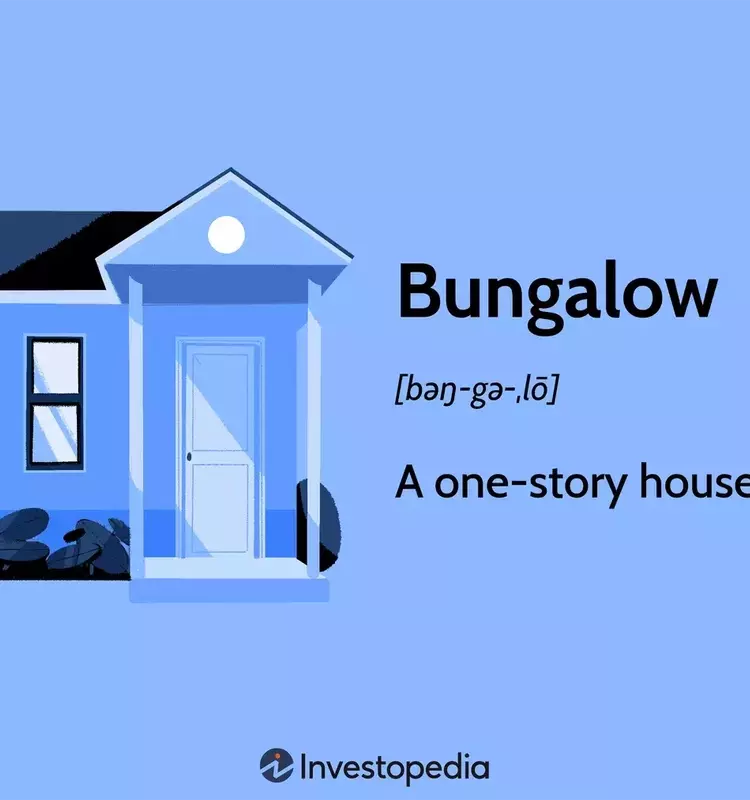
Bungalows, characterized by their single-story structure and architectural simplicity, offer numerous advantages, including affordability and ease of upkeep. These homes are particularly appealing to older adults and individuals with mobility challenges due to their open floor plans and ground-level living. However, they typically require a larger plot of land and might incur higher costs per square foot. Bungalows commonly feature dormer windows, inviting verandas, and a distinctive Craftsman architectural style. When considering a bungalow, it's essential to weigh the benefits of cost-effectiveness and accessibility against potential drawbacks, such as smaller living spaces and increased vulnerability to security concerns.
A bungalow is primarily a single-story dwelling, renowned for its compact and economical design, frequently incorporating dormer windows and wide verandas. Historically, these homes provided affordable housing with modern amenities for the working class, and they remain a popular choice in urban environments today due to their unique qualities and adaptability. These structures are often small and easy to maintain, making them an excellent option for seniors or individuals with physical limitations. Their cost-efficiency is a significant advantage, as they typically have lower heating and cooling expenses and tend to retain high property values.
Key characteristics of a bungalow typically include a single floor, sometimes with a partial second story. They often feature an open-plan layout, diverging from designs with isolated rooms. The expansive, sloping roofs are a hallmark of bungalows, occasionally accommodating an additional half-story. Large front porches, offering extra living space, are another common attribute. The architectural aesthetic of bungalows is usually in the Craftsman style, distinguished by its understated elements and natural materials. Although they generally possess an open layout, bungalows are typically more modest in size compared to other residential styles. Their proximity to urban areas makes them suitable for those desiring a single-family home with a compact footprint, providing an affordable option in expensive locations.
Bungalows, by utilizing more floor area on a single level than multi-story residences, facilitate easier modifications and expansions. Their low height provides increased privacy, as trees and fences can readily obscure windows. However, this single-level design means bungalows occupy a greater land area and may have a higher cost per square foot, also requiring more roofing materials. Additionally, bungalows often have fewer and smaller rooms branching off a central living area, rather than expansive bedrooms or a fully open floor plan. Being closer to the ground, bungalows are more susceptible to intrusions, making a home security system a wise investment.
The bungalow's journey began in the South Asian region of Bengal, where the term originates from Hindi. British sailors of the East India Company first recognized these structures in the 18th century. Initially, a bungalow signified a grand residence, often symbolizing high social standing in both Britain and America. However, over time, the definition shifted, and by the 20th century, the term came to denote a small, typically one-story dwelling, though its precise meaning varies across different parts of the world. For instance, in contemporary India, it broadly refers to any single-family home, regardless of its number of floors. In Canada and the United Kingdom, a bungalow almost exclusively describes a one-story unit. Australia, meanwhile, adopted the California bungalow style, a popular type in the United States from approximately 1908 to 1940, which spread internationally with the rise of Hollywood and the appeal of American products. The California bungalow typically features one to one-and-a-half stories, a large porch, a sloping roof, and Spanish-inspired architectural details. Other notable bungalow styles include the Chicago bungalow, a brick structure prevalent in Chicago around the 1910s, and the chalet bungalow, which uniquely incorporates a second-story loft, deviating from the traditional single-story design.
In summary, bungalows, with their signature single-story design and straightforward architecture, present several advantages, such as affordability and simplified upkeep. They are especially beneficial for elderly individuals and those with limited mobility due to their accessible, open layouts. Nevertheless, they require more land and can have higher construction costs per square foot. These homes are commonly distinguished by dormer windows, inviting verandas, and a Craftsman architectural flair. When evaluating a bungalow, it is crucial to consider the economic and accessibility benefits alongside potential drawbacks like reduced living space and increased security risks.
