Understanding Petty Cash in Business Operations
Finance

Understanding Petty Cash in Business Operations

authorBy Fareed Zakaria
DateApr 29, 2026
Read time2 min

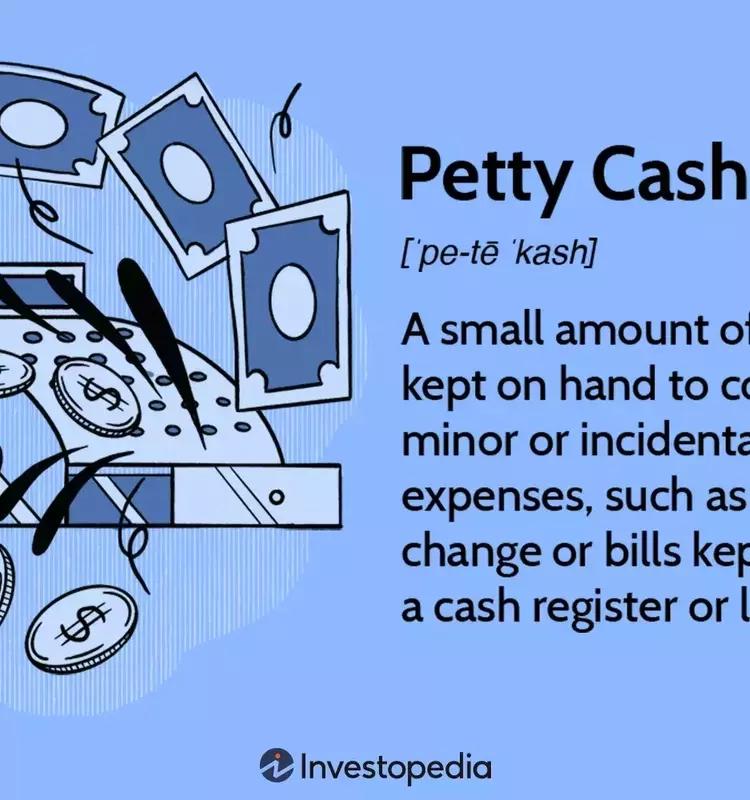
Petty cash, a small sum of money kept on hand by a business, facilitates convenient payments for minor, immediate expenses that are unsuitable for checks or corporate cards. This financial tool simplifies daily operations by covering incidental costs, ranging from office supplies to small employee reimbursements, thereby ensuring smooth business continuity without bureaucratic delays. The amount allocated for a petty cash fund typically ranges between $100 and $500, varying based on the company's specific needs, and it is usually stored in a secure location, such as a locked box.

Effective management and rigorous internal controls are paramount to mitigate the risks associated with petty cash, which, unlike other forms of capital, bypasses standard accounting protocols. A designated custodian is entrusted with the responsibility of disbursing funds, diligently collecting receipts for all expenditures, and ensuring accurate record-keeping. The dual control system, involving both a petty cash cashier and a custodian, enhances security and accountability. Recording petty cash transactions is crucial for financial transparency, with journal entries made only during fund replenishment or to account for any discrepancies. Reconciliation involves a meticulous process of comparing the remaining cash with the total of all receipts and vouchers to ensure that the fund balances accurately.

While petty cash offers undeniable benefits in terms of convenience and immediate accessibility for unforeseen needs, it also presents challenges. Its physical nature makes it vulnerable to theft, misuse, and difficulties in tracking, posing security risks that are less prevalent with digital payment methods. The administrative burden of manual record-keeping and regular reconciliation can be significant, especially for smaller businesses. Despite its perceived obsolescence in an era dominated by electronic transactions, petty cash continues to serve a valuable, albeit niche, purpose in covering small, unplanned expenses where digital alternatives are not feasible.

Embracing adaptability and sound financial practices allows businesses to leverage petty cash for its intended purpose while minimizing risks. By implementing robust internal controls, maintaining meticulous records, and conducting regular reconciliations, companies can ensure that this traditional financial tool remains a useful asset in their operational toolkit, promoting efficiency and accountability in managing minor expenditures.

More Articles
Finance
Understanding Logistics in Business Management
Logistics is crucial for managing the flow and storage of resources and information within a supply chain, ensuring timely and accurate delivery to meet demand. This concept, originally a military term, has evolved significantly in the business sector. Effective logistics enhance efficiency, reduce costs, and provide a competitive advantage, directly impacting a company's financial success and customer satisfaction.
By Fareed ZakariaApr 29, 2026
Finance
Corporate Social Responsibility: Balancing Profit and Purpose
Corporate Social Responsibility (CSR) is a business approach that integrates ethical and sustainable practices into a company's operations. It involves considering the environmental and social impact of business decisions alongside financial goals. CSR initiatives, such as philanthropic endeavors, eco-friendly practices, and fair labor, aim to benefit society and the environment. This approach not only enhances brand reputation and customer loyalty but also aligns with the values of modern consumers and investors.
By Robert KiyosakiApr 29, 2026
Finance
The AI Bubble: Mounting Concerns and Investment Strategy
Despite a prevailing narrative of an AI supercycle, emerging signs suggest potential market instability. OpenAI's missed revenue targets, increasing credit default swaps for Oracle, and a downturn in AI-related job postings indicate that the market might have fully priced in the upside. Semiconductor stocks are at historic highs, mirroring past bubble behaviors. Investors are advised to recalibrate portfolios, secure profits, and diversify beyond highly exposed indexes to manage risks.
By Suze OrmanApr 29, 2026
Finance
Meta's Q1 Performance and Future Outlook
Meta Platforms, Inc. reported strong first-quarter results with a 33% year-over-year revenue increase, driven by robust advertising growth and sustained user engagement. Despite a one-time tax benefit inflating EPS, the underlying business demonstrates solid performance. Increased CapEx guidance for 2026 reflects significant long-term investments in AI and platform development, raising some near-term free cash flow concerns. The company maintains a 'Buy' rating, emphasizing its attractive valuation and strategic AI initiatives.
By Nouriel RoubiniApr 29, 2026
Finance
Understanding the 1986 and 1993 Tax Reform Acts in the US
The Tax Reform Act of 1986, signed by President Ronald Reagan, aimed to simplify the tax code by reducing the top individual income tax rate and taxing capital gains at ordinary income rates. It also closed tax loopholes and adjusted various deductions. The subsequent Tax Reform Act of 1993, enacted under President Bill Clinton, further modified the tax landscape by increasing certain tax rates for high-income individuals and corporations while eliminating some deductions, including the tax cap on Medicare.
By Lisa JingApr 29, 2026