Understanding Escrow: A Comprehensive Guide to Secure Transactions
Finance

Understanding Escrow: A Comprehensive Guide to Secure Transactions

authorBy Fareed Zakaria
DateApr 29, 2026
Read time3 min

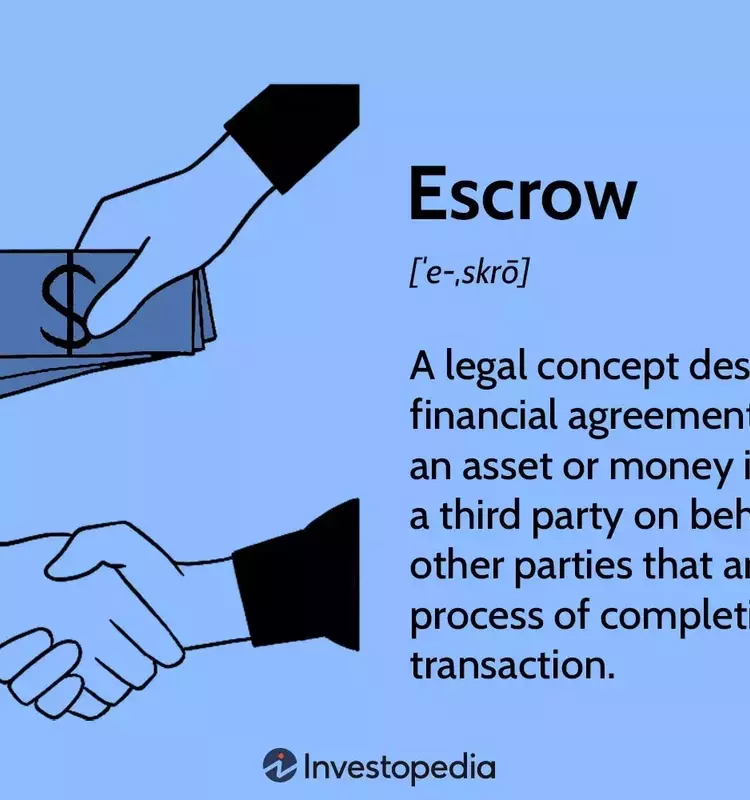
Escrow serves as a critical financial tool, involving a neutral third party that holds assets or funds until all predefined conditions of a transaction are fulfilled. This mechanism offers robust protection for both purchasers and vendors, ensuring that assets are securely managed and released only when specific criteria are met. Its applications span various financial activities, from buying and selling property to safeguarding online exchanges and even managing stock distributions, making it an indispensable element in fostering trust and security in diverse transactions.

The operational framework of escrow involves meticulous adherence to contractual obligations. For instance, in an international trade scenario, a buyer can deposit funds with an escrow agent, who then releases the payment to the seller upon confirmation that the goods have arrived in satisfactory condition. This process effectively mitigates risks for both parties. In real estate, escrow accounts are commonly utilized for earnest money deposits, signaling a buyer's commitment and ensuring that conditions such as property inspections are met before the sale is finalized. Additionally, mortgage-related escrow accounts manage future payments for homeowners' insurance and property taxes, simplifying financial management for borrowers by incorporating these costs into monthly mortgage installments, thereby preventing potential payment lapses that could jeopardize the lender's interest.

While escrow services provide significant security and convenience, they also come with considerations. The primary benefit is enhanced security in transactions involving substantial sums, offering peace of mind by guaranteeing that funds or assets are protected until all terms are satisfied. This is particularly advantageous for high-value items or complex deals. However, these services typically incur fees, which can add to the overall cost of a transaction. For example, online escrow services, though effective for securing high-value online purchases, may charge fees that exceed those of other payment platforms. In the context of mortgages, while escrow simplifies the payment of property taxes and insurance, it can lead to higher monthly payments compared to arrangements where these expenses are handled separately. Moreover, initial estimates for these annual costs might require adjustments, leading to potential over or underpayments into the escrow account. Consequently, individuals and businesses should carefully weigh the benefits of increased security against the associated costs when deciding whether to utilize escrow services.

Embracing escrow fosters a climate of integrity and trust in financial transactions, demonstrating a commitment to fair dealings and mutual protection. It highlights the importance of transparent processes and contractual adherence, ensuring that every party's interests are safeguarded. This systematic approach not only secures current engagements but also builds a foundation for future collaborations, promoting reliability and confidence in the broader economic landscape.

More Articles
Finance
Understanding Inventory: Types, Management, and Impact on Business Performance
This article explores inventory's critical role in business operations, detailing its classifications, valuation methods, and management strategies. It emphasizes how effective inventory practices, such as just-in-time systems and inventory turnover analysis, contribute to revenue generation, cost reduction, and overall financial health. The text also highlights the significance of inventory in meeting customer demand and its impact on a company's competitive standing.
By Fareed ZakariaApr 29, 2026
Finance
Understanding Financial Premiums: Concepts and Applications
In finance, a "premium" signifies an additional cost beyond a standard price, reflecting enhanced value or specific benefits. This concept applies across various financial instruments, including securities, options contracts, and insurance policies. Whether it's a bond trading above its face value due to higher interest rates, the cost to acquire an options contract, or the regular payments for insurance coverage, premiums are fundamental to understanding financial markets and risk management. They compensate for perceived added value, manage risk, or respond to market dynamics like supply and demand.
By Suze OrmanApr 29, 2026
Finance
Controlled Foreign Corporations: A Detailed Overview
A Controlled Foreign Corporation (CFC) is a business entity operating outside its owners' primary country of residence, subject to taxation in the home jurisdiction due to substantial ownership. These regulations aim to combat tax evasion by ensuring that profits generated in low-tax regions abroad do not escape domestic taxation. This article explores the mechanics of CFCs, their regulatory implications, and reporting requirements for U.S. shareholders, emphasizing the importance of compliance with international tax laws.
By Morgan HouselApr 29, 2026
Finance
Understanding the Primary Mortgage Market
The primary mortgage market is where individuals secure home loans directly from lenders like banks, credit unions, and mortgage brokers. This market facilitates direct interaction between borrowers and financial institutions, offering various mortgage products and terms. It plays a crucial role in the initial phase of home financing, enabling property acquisition through accessible and flexible lending options. In contrast, the secondary market involves the trading of these loans among investors.
By David RubensteinApr 29, 2026
Finance
Inventory Financing: A Detailed Overview
Inventory financing is a critical financial tool allowing businesses to use their stock as collateral for loans or lines of credit. This method helps maintain cash flow, manage seasonal fluctuations, and acquire necessary products. It is especially beneficial for small to mid-sized businesses that may not have access to traditional financing options. However, it comes with risks such as higher interest rates and potential for increased debt. Understanding its mechanics, pros, cons, and various forms is essential for businesses considering this financing strategy.
By David RubensteinApr 29, 2026