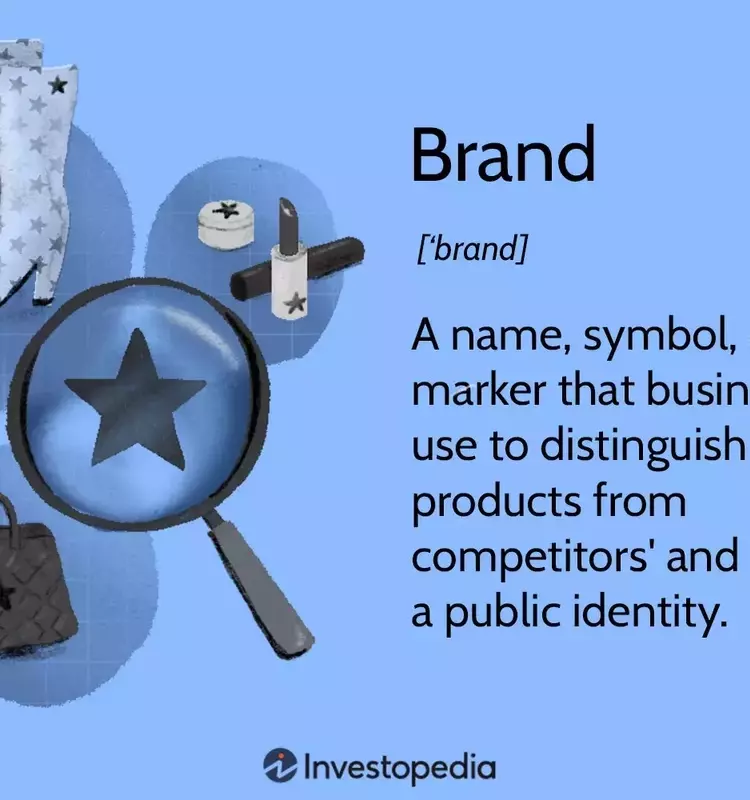
A brand is far more than a mere logo or company name; it's the distinctive essence that sets a product or service apart in the bustling marketplace. This unique identity, meticulously crafted through design, packaging, and strategic marketing, shapes consumer perception and fosters a deep connection. Rooted in ancient practices of distinguishing goods, branding has evolved into a sophisticated art, aiming to build recognition, trust, and loyalty among consumers. From corporate giants to individual influencers, mastering brand development is crucial for establishing a memorable presence and ensuring sustained market success.
The Core of Brand Dynamics: Creation, Protection, and Influence
At its heart, a brand is a company's distinct persona, characterized by its unique offerings and how it stands out from competitors. This identity is painstakingly built through thoughtful design, innovative packaging, and targeted marketing campaigns that highlight its singularity. A truly successful brand communicates its inherent qualities to consumers, offering a compelling advantage in its industry.
Companies actively cultivate what is known as brand equity, which represents the intrinsic value a brand adds to its products or services. Recognizing this significant asset, many businesses pursue trademarks to legally safeguard their brands, ensuring their unique elements remain exclusive and protected. Such legal fortifications are essential, especially as brands can wield immense monetary value, directly impacting a company’s financial health and, for publicly traded entities, shareholder value.
The concept of branding traces its origins to around 2000 B.C.E., when ancient merchants sought effective ways to sell their goods. Craftsmen would mark their merchandise with unique symbols, and tavern owners would erect eye-catching signs to draw customers. The term “branding” gained modern traction in the 19th century, particularly among Western cattle ranchers who used hot irons to mark their livestock. While initially for protection against rustling, this practice solidified the association of a mark with ownership and identity. The era of mass marketing further propelled branding, as product sellers like flour manufacturers began employing branding to differentiate themselves from rivals.
Contemporary examples of powerful brands abound. Consider the iconic Nike swoosh, McDonald's Golden Arches, or Maxwell House’s memorable slogan, “Good to the Last Drop.” These elements instantly evoke their respective companies and products, showcasing the power of effective branding. Beyond logos and slogans, successful brands like Advil manage to convey superior efficacy or value, even when competing with cheaper generic alternatives. For newer brands, the urgency to establish themselves is even greater, focusing on delivering enjoyable, functional, valuable, and memorable experiences to build customer loyalty.
Brand marketing is a dynamic process that keeps a company's identity at the forefront of consumers' minds, particularly during crucial decision-making moments. This ensures that the brand’s value is consistently reinforced, driving sales and fostering customer allegiance. Companies such as Coca-Cola, which has expanded its portfolio to include numerous brands while maintaining the strong identity of its flagship product, exemplify the profound connection between a company and its brand.
Beyond corporate entities, personal brands have gained significant traction, especially with the rise of social media. Influencers leverage platforms to cultivate brands that attract specific audiences, which in turn draws advertisers. The Kardashian family, for instance, has successfully transformed their personal brand into a diverse empire spanning media, cosmetics, and fashion. Kylie Jenner’s staggering success with Kylie Cosmetics, largely fueled by her social media presence, highlights the immense value a personal brand can generate.
Product branding involves extensive market research to identify target demographics and craft an identity that resonates with them. Some companies, like Virgin Group, adopt a master brand strategy, unifying diverse ventures—from hotels to airlines—under a single, cohesive identity. The top global brands of 2023, including Apple, Microsoft, Amazon, Google, and Samsung, demonstrate the enduring power of strong branding to captivate markets and maintain relevance.
The advantages of robust branding are manifold. It cultivates emotional connections with customers, fostering unique relationships that can draw in new consumers. This builds trust and credibility, providing a competitive edge. Moreover, a strong brand facilitates the introduction of new products and services, as loyal customers are more inclined to embrace new offerings, even at a higher price point. Apple, with its fiercely loyal customer base, perfectly illustrates this phenomenon, as consumers eagerly upgrade their devices with each new release.
However, brand longevity is not guaranteed. While some brands, like Stella Artois or the Chevy Suburban, have endured for centuries, others have faded due to mismanagement or an inability to adapt to changing times. Iconic American brands like Borders, Pan American, and Blockbuster have vanished, though some, like Toys R Us, have attempted comebacks. The key takeaway is that maintaining a brand's relevance requires continuous innovation and responsiveness to consumer needs.
Ultimately, a brand is an intricate, intangible asset that shapes consumer perception and market recognition. Companies invest heavily in research, content, design, and marketing to craft a brand identity that resonates with their target market. A well-executed brand strategy leads to increased sales, unwavering customer loyalty, and a distinct competitive advantage, underscoring the critical importance of protecting this invaluable asset through legal measures like trademarking.
