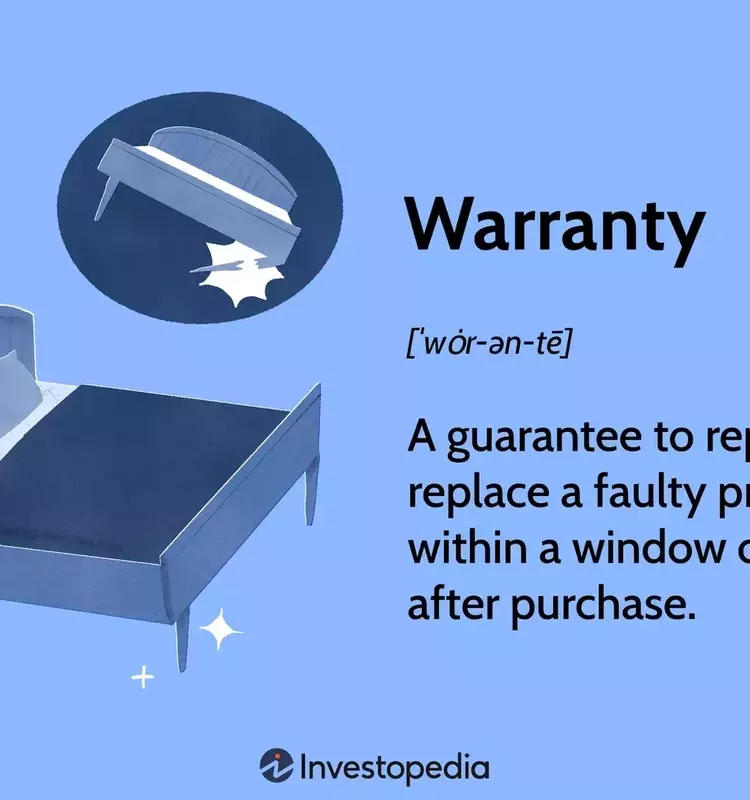
A warranty serves as a formal pledge from a manufacturer or vendor, confirming a product's quality and performance standards. This mechanism offers consumers security, defining the terms for product repair, replacement, or refund if the item deviates from its intended functionality. Understanding the nuances of these assurances is crucial for both buyers and sellers in the marketplace.
Warranties essentially act as a protective layer for consumers, ensuring that goods align with their advertised descriptions. They establish a clear path for resolution when product issues arise. These agreements typically have a defined duration, after which the issuer's obligation to service the product ceases. Furthermore, warranties often contain specific exclusions, detailing circumstances under which the manufacturer is not liable for repairs.
Beyond initial manufacturer warranties, consumers frequently encounter offers for extended warranties. These optional agreements, often likened to insurance policies, provide coverage for an additional period, typically extending several years past the original manufacturer's commitment. These extensions can cover a broad range of products, from vehicles and electronics to household appliances, offering more flexible terms than standard warranties.
Legal frameworks, such as the Magnuson-Moss Warranty Act of 1975 in the United States, play a vital role in consumer protection. This act mandates transparent disclosure of warranty terms, distinguishing between full and limited warranties, and prohibits deceptive practices that could mislead buyers. Additionally, laws like the Uniform Commercial Code (UCC) provide implicit guarantees, such as the warranty of merchantability, which ensures products are fit for their ordinary purpose, even if not explicitly stated.
Despite these protections, warranty claims can sometimes be denied. This often occurs if products have been altered or misused by the owner. For instance, modifications to a vehicle's engine could void its warranty for affected components, as such changes can impact reliability beyond the manufacturer's responsibility. Similarly, product failure due to environmental extremes or improper use by the owner typically falls outside warranty coverage, requiring proof of normal use for a claim to be honored.
While often used interchangeably, "warranty" and "guarantee" carry subtle differences. A warranty explicitly details the conditions under which a seller is liable for product defects, with its cost implicitly integrated into the product's price. A guarantee, conversely, is a broader promise that a product or service will meet specified quality benchmarks, offering a remedy at no direct extra cost to the buyer. Navigating these distinctions is key to understanding consumer rights and obligations.
If a product issue arises that you believe is covered by warranty, it's essential to meticulously review the warranty document to understand its scope and limitations. Subsequently, contact the seller or manufacturer, providing comprehensive documentation such as proof of purchase and records pertinent to the product's defect. Should the problem persist, escalating the matter through consumer protection agencies or legal counsel may be necessary to secure a resolution. Proactive steps, like careful reading of terms, retaining receipts, choosing reputable companies, and adhering to product care instructions, can significantly enhance the likelihood of maximizing warranty benefits.
