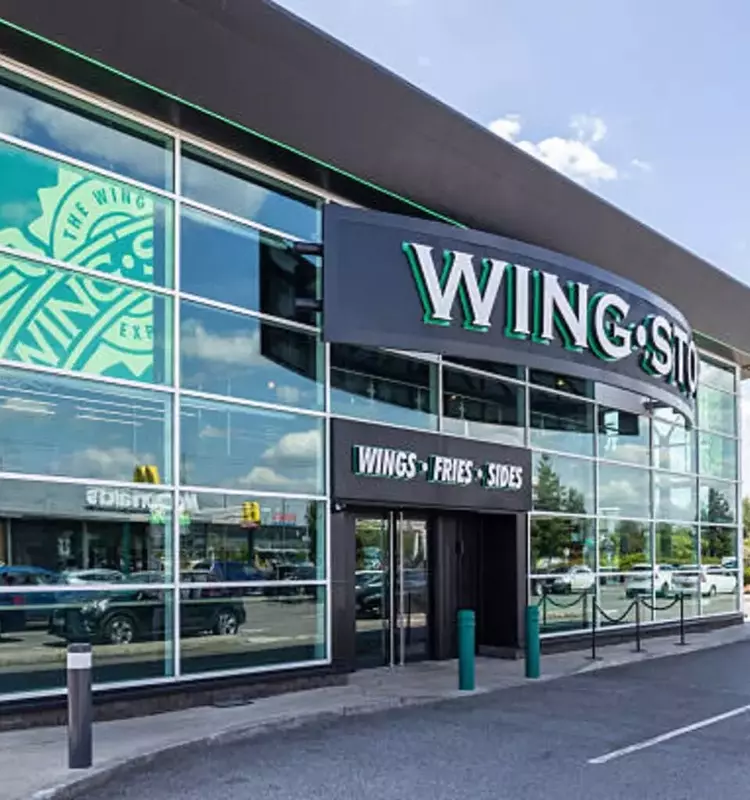
While Wingstop Inc. might initially appear to be a compelling growth narrative, a thorough analysis reveals a more nuanced reality. The company's revenue expansion is predominantly driven by the establishment of new outlets, rather than organic growth from its existing domestic operations, which have, in fact, witnessed a downturn in same-store sales. This trend is further compounded by adverse macroeconomic conditions, including a noticeable dip in consumer confidence and persistent high energy prices, both of which are expected to exert ongoing pressure on the company's financial performance. When juxtaposing Wingstop's current valuation against its actual growth trajectory and profitability indicators, it becomes evident that the stock may be considerably overvalued.
A critical look at Wingstop's recent financial disclosures shows that the increase in its top line is solely attributable to the proliferation of new physical locations. This reliance on expansion to bolster sales masks a concerning weakness in its established footprint, where same-store sales are in decline. This dynamic suggests that the underlying business model, while capable of driving growth through new market penetration, struggles to foster consistent demand in mature markets. The broader economic climate, characterized by cautious consumer spending and elevated operational costs due to energy prices, exacerbates these challenges, painting a less optimistic picture for Wingstop's short-term prospects.
Wingstop's Growth Strategy: Expansion vs. Organic Performance
Wingstop's recent growth has been primarily propelled by the opening of new stores, masking a concerning decline in domestic same-store sales. This highlights a strategy focused on geographical expansion rather than increasing sales at existing locations. While new store openings can initially boost overall revenue, the dip in comparable sales suggests potential issues with customer retention, market saturation, or evolving consumer preferences. This pattern raises questions about the sustainability of its growth model, especially if new market opportunities become scarcer or more competitive. The emphasis on expansion needs to be critically evaluated against the backdrop of shrinking sales at established outlets.
The company's approach to growth heavily leans on the rapid rollout of new franchise units, which superficially enhances its revenue figures. However, this strategy appears to be a double-edged sword as the financial health of its core business, as measured by domestic same-store sales, is deteriorating. This decline indicates that existing stores are struggling to attract or retain customers, potentially due to heightened competition, changes in dining habits, or menu fatigue. Relying solely on new locations for growth is unsustainable in the long run if the foundational units cannot generate organic sales increases. This model demands constant vigilance regarding location selection, operational efficiency, and localized marketing efforts to prevent cannibalization and ensure long-term viability.
Economic Headwinds and Valuation Concerns
Wingstop faces significant macroeconomic challenges, including a generally poor consumer sentiment and high energy prices, which are likely to continue affecting its business adversely. These external factors can lead to reduced discretionary spending on dining out and increased operational costs, directly impacting profitability. Given these pressures, and the company's dependency on new store growth rather than organic sales, its current market valuation appears inflated. Investors should carefully consider these headwinds when assessing the stock's potential, as they pose substantial risks to both revenue and earnings growth in the foreseeable future.
The prevailing economic climate presents substantial hurdles for Wingstop. Deteriorating consumer confidence typically translates into reduced spending on non-essential items like fast food, directly curtailing Wingstop's potential revenue from existing stores. Simultaneously, elevated energy prices inflate operational costs, from ingredient sourcing and transportation to utilities for its numerous locations, compressing profit margins. These economic pressures, combined with the observed decline in domestic same-store sales, reveal a disconnect between the company's operational realities and its current stock valuation. The market seems to be overlooking these critical challenges, potentially pricing in an optimistic growth scenario that is increasingly difficult to achieve amidst persistent economic headwinds. This situation suggests that the stock may be vulnerable to a downward re-evaluation as these economic realities become more pronounced.
