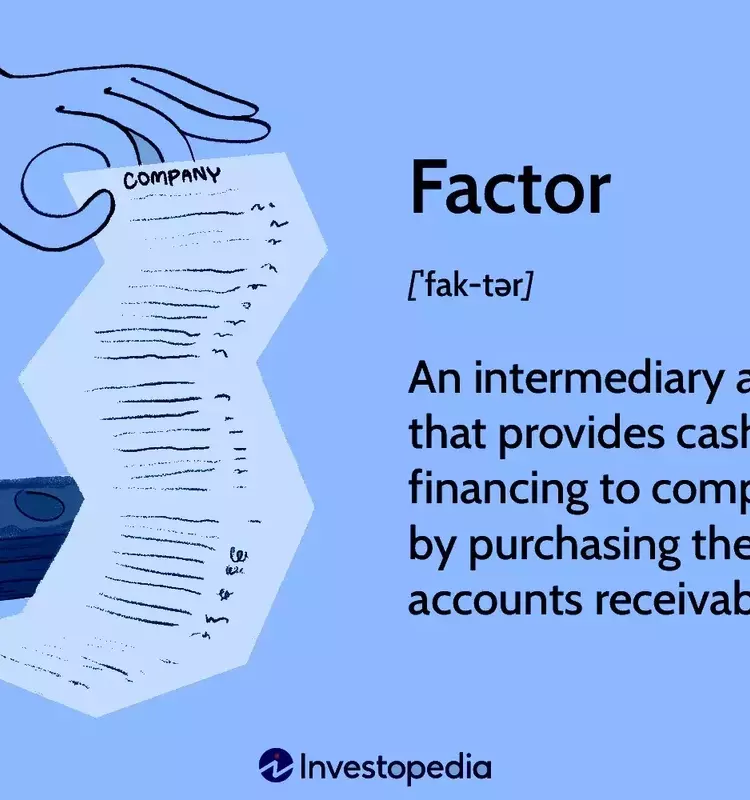
Factoring represents a crucial financial strategy for businesses seeking to enhance their immediate liquidity. It involves a specialized financial institution, known as a factor, acquiring a company's outstanding invoices (accounts receivable) at a discount. This arrangement enables businesses to convert future income into immediate cash, which is vital for covering operational expenses, managing short-term financial obligations, or capitalizing on new growth opportunities. The factor, in turn, assumes the responsibility and risk associated with collecting these receivables.
Factoring serves as an important financial tool, particularly for companies that frequently extend credit to their customers, leading to a substantial portion of their assets being tied up in accounts receivable. Such businesses may encounter cash flow shortages when their immediate financial commitments surpass the incoming revenue from these credit sales. By engaging in factoring, a company can mitigate these liquidity challenges, ensuring they have sufficient funds to meet their short-term liabilities without delay. This process involves three main participants: the business selling its invoices, the factoring entity purchasing these invoices, and the original customers who now redirect their payments to the factor.
The operational framework of factoring involves a factor purchasing a company's accounts receivable and disbursing funds, often within 24 hours. The factor charges a fee for this service, which is typically a percentage of the invoice's total value. This fee is influenced by various factors, including the creditworthiness of the customers whose invoices are being purchased and the duration for which the receivables have been outstanding. A higher risk of default from customers generally leads to a higher factoring fee. Importantly, factoring is not categorized as a loan, as it does not create new debt for the selling company. Instead, it involves the sale of an existing asset, providing a flexible and unrestricted source of capital.
A notable advantage of factoring is the immediate access to capital it grants, which is essential for supporting ongoing business operations and boosting working capital. Working capital, defined as the difference between a company's short-term assets and liabilities, is critical for maintaining financial health. By converting receivables into cash, businesses can avoid defaulting on loan payments or other financial commitments. Although factoring can be a more costly financing option compared to traditional loans, its ability to significantly improve cash flow makes it an invaluable resource for businesses in industries with extended payment cycles or for rapidly expanding companies needing capital to pursue emerging opportunities. Financial institutions acting as factors also benefit, as they acquire assets at a discount while providing a crucial liquidity solution.
For instance, consider a scenario where a clothing manufacturer sells a $1 million invoice to a factor, representing outstanding payments from a major retailer. The factor agrees to a 4% discount and immediately provides $720,000 to the manufacturer. The remaining $240,000 is transferred once the factor collects the full $1 million from the retailer. In this arrangement, the factor's commission and fees total $40,000. The factor's primary concern in such a transaction is the credit reliability of the retailer, rather than that of the manufacturer selling the invoices.
Factoring can significantly benefit businesses by improving liquidity, enhancing competitiveness, and streamlining cash flow management. It presents an attractive alternative to traditional debt financing, particularly for companies that may not qualify for conventional loans or those seeking to reduce their reliance on such credit. By converting accounts receivable into immediate cash, businesses gain greater financial flexibility and stability, empowering them to pursue strategic initiatives and manage their financial health more effectively.
